
Table of Contents
ToggleGreat design and decor examples can completely change how a room feels. Whether someone is moving into a new home or refreshing a tired space, the right choices make all the difference. A well-decorated room doesn’t just look good, it functions better and feels more inviting.
This guide covers practical design and decor examples for every major room in the home. From living rooms to kitchens, bedrooms to small apartments, these ideas offer real inspiration. Each section provides actionable tips that readers can apply immediately to their own spaces.
Key Takeaways
- Great design and decor examples start with establishing a focal point and arranging furniture around it to create natural flow.
- Layer lighting with ambient, task, and accent sources to add depth and control the mood in any room.
- Apply the 60-30-10 color rule to achieve visual balance across walls, furniture, and accessories.
- Invest in quality bedding and use soft, muted color palettes to create a relaxing bedroom atmosphere.
- Maximize small spaces by choosing multifunctional furniture, going vertical with storage, and using mirrors to create the illusion of more room.
- Simple upgrades like new cabinet hardware, open shelving, and intentional countertop styling can transform kitchens without a full renovation.
Living Room Design Ideas
The living room serves as the heart of most homes. It’s where families gather, guests visit, and daily life happens. Strong design and decor examples here set the tone for the entire house.
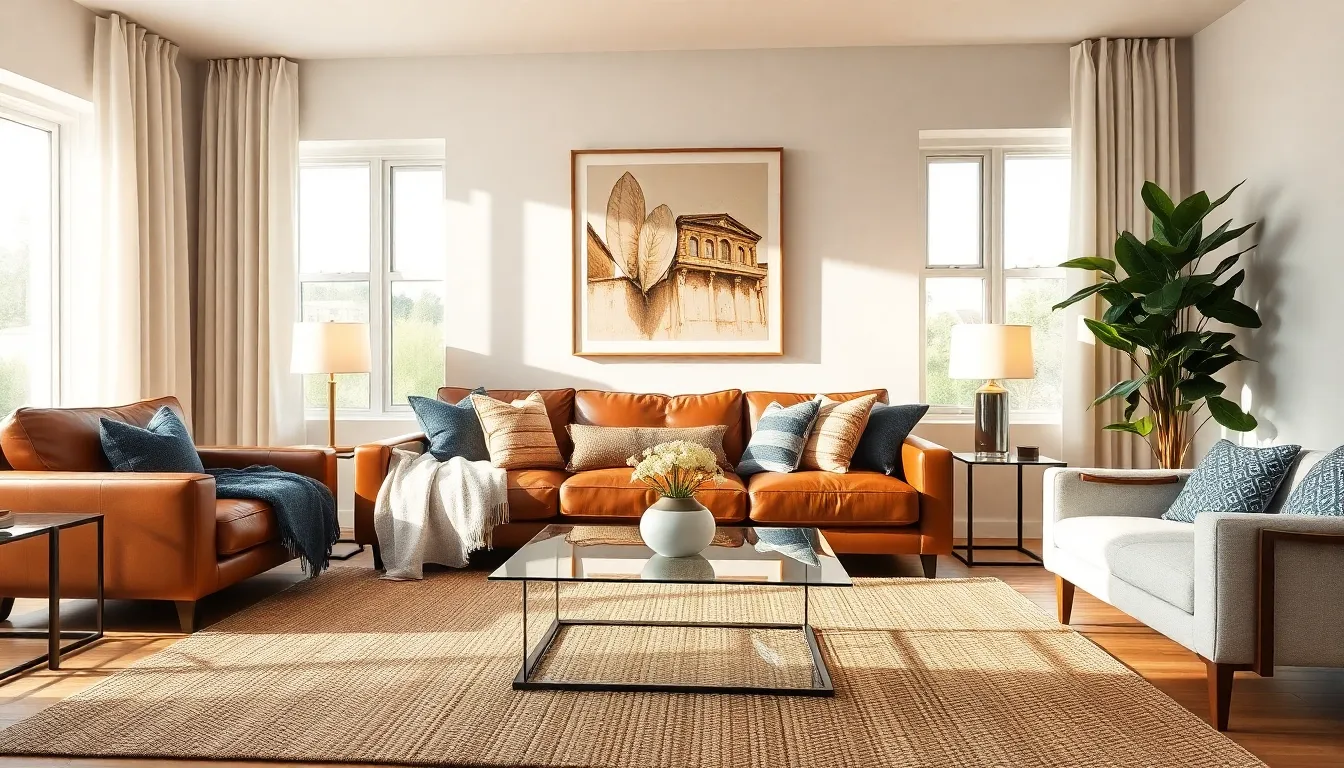
Start with a focal point. Every living room needs one dominant feature. This could be a fireplace, a large piece of art, or a statement sofa. Once the focal point is established, arrange furniture around it to create natural conversation areas.
Layer your lighting. Overhead lights alone create flat, unwelcoming spaces. Combine ambient lighting with table lamps, floor lamps, and accent lights. This layered approach adds depth and allows the mood to shift throughout the day.
Mix textures and materials. A leather sofa pairs well with soft throw blankets. A glass coffee table contrasts nicely with a woven rug. These combinations keep the eye moving and add visual interest without clutter.
Consider the 60-30-10 color rule. Use 60% of a dominant color (usually on walls and large furniture), 30% of a secondary color (on curtains, rugs, and accent chairs), and 10% of an accent color (in pillows, art, and small decor). This formula creates balance.
Plants also elevate living room design and decor examples significantly. A tall fiddle leaf fig in the corner or small succulents on shelves bring life to any space.
Bedroom Decor Inspiration
Bedrooms require a different approach than public spaces. The goal here is rest and relaxation. Good design and decor examples for bedrooms prioritize comfort while maintaining style.
Invest in quality bedding. The bed dominates the room visually. Crisp white sheets, layered pillows, and a well-chosen duvet instantly upgrade the space. A upholstered headboard adds softness and serves as a design anchor.
Keep nightstands functional but styled. A lamp, a small plant, and a book or two create an inviting vignette. Avoid cluttering these surfaces, they should support relaxation, not stress.
Use curtains that pool slightly on the floor. Hang curtain rods high (close to the ceiling) and let fabric extend past the window frame on both sides. This trick makes windows, and the room itself, appear larger.
Add a cozy reading corner. If space allows, place a comfortable chair near a window with a small side table and good lighting. This dedicated spot adds function and makes the room feel more complete.
Soft, muted color palettes work best in bedrooms. Blues, greens, and warm neutrals promote calm. Save bold colors for accent pillows or artwork rather than walls.
Kitchen and Dining Styling Tips
Kitchens and dining areas blend function with aesthetics. The best design and decor examples here balance practicality with personality.
Open shelving creates opportunities. Replace a few upper cabinets with open shelves. Display matching dishes, cookbooks, and a few decorative objects. This approach makes kitchens feel larger and more personal. Just keep shelves organized, mess is more visible without cabinet doors.
Upgrade hardware for instant impact. New cabinet pulls and knobs can transform dated cabinetry. Brass or matte black hardware are popular choices that add modern flair without a full renovation.
Style the countertops with intention. Group items in odd numbers. A cutting board, a ceramic vase with fresh herbs, and a beautiful olive oil bottle create a curated look. Clear counters appear in magazine shoots, but lived-in kitchens need some personality.
Lighting matters in dining spaces. A pendant light or chandelier centered over the dining table draws the eye and defines the eating area. The bottom of the fixture should hang 30 to 36 inches above the table surface.
For dining rooms, consider a statement rug under the table. It anchors the furniture grouping and adds warmth to hard floors. Make sure the rug extends at least 24 inches beyond each side of the table so chairs remain on it when pulled out.
Small Space Decorating Solutions
Limited square footage demands creative design and decor examples. Small spaces can feel just as stylish and functional as larger ones with the right strategies.
Choose furniture with multiple functions. An ottoman with hidden storage serves as seating, a footrest, and organization. A dining table that folds down when not in use saves precious floor space. Murphy beds allow studios to function as living rooms during the day.
Go vertical. When floor space is tight, use walls. Floating shelves, tall bookcases, and wall-mounted planters draw the eye upward and provide storage without eating into the room.
Use mirrors strategically. A large mirror reflects light and creates the illusion of more space. Place mirrors opposite windows to maximize natural light. This simple trick makes small rooms feel significantly larger.
Stick to a cohesive color palette. Too many colors in a small space feel chaotic. Light, neutral walls make rooms appear bigger. Add personality through colorful accessories that can be swapped easily.
Avoid bulky furniture. Pieces with exposed legs look lighter than those with solid bases. Glass or lucite tables seem to disappear, keeping sightlines open.
Small space design and decor examples prove that limitations can inspire creativity. Constraints force better decisions and often result in more thoughtful, intentional spaces.