
Table of Contents
ToggleDesign and decor for beginners doesn’t require a professional degree or a massive budget. It requires attention, intention, and a willingness to experiment. Most people feel overwhelmed when they first start decorating a space. They scroll through Pinterest boards, flip through magazines, and end up more confused than inspired. Here’s the truth: good design follows patterns. Once you understand those patterns, everything clicks into place.
This guide breaks down the fundamentals of interior design into clear, actionable steps. Readers will learn how to choose colors, arrange furniture, layer textures, and avoid the mistakes that make rooms feel “off.” Whether someone is decorating their first apartment or refreshing a tired living room, these principles apply across every style and budget.
Key Takeaways
- Design and decor for beginners follows learnable patterns—master balance, proportion, rhythm, emphasis, and harmony to make confident decisions.
- Use the 60-30-10 color rule to create visual interest without chaos: 60% dominant color, 30% secondary, and 10% accent.
- Pull furniture away from walls and create conversation zones to make rooms feel connected and functional.
- Layer varied textures like velvet, wood, and metal to transform flat spaces into rich, inviting rooms.
- Avoid common mistakes like buying everything from one store, hanging curtains too low, or relying on a single overhead light.
- Take your time—good design and decor evolves over months, not a single shopping spree.
Understanding the Basic Principles of Design
Every well-designed room relies on a handful of core principles. These aren’t arbitrary rules, they’re visual patterns that humans naturally respond to. Understanding them gives beginners a framework for making decisions.
Balance refers to how visual weight distributes across a space. A room can achieve symmetrical balance (matching elements on both sides) or asymmetrical balance (different elements that still feel equal). A large sofa on one side of a room might balance with two chairs on the other.
Proportion and scale matter more than most people realize. A tiny coffee table in front of a massive sectional looks wrong because the scale is off. Furniture should relate to the room size and to each other.
Rhythm creates movement through repetition. Repeating a color, pattern, or shape throughout a room guides the eye and creates cohesion. Think of how a blue throw pillow might echo a blue vase across the room.
Emphasis establishes a focal point. Every room needs one, a fireplace, a statement piece of art, or a bold piece of furniture. Without emphasis, rooms feel flat and forgettable.
Harmony ties everything together. A harmonious room feels unified, even when it contains diverse elements. This happens when all design choices support a central theme or mood.
Beginners don’t need to memorize these terms. They just need to ask: Does this feel balanced? Does the eye know where to land? Do these pieces feel like they belong together?
Choosing a Color Palette That Works
Color intimidates people more than any other aspect of design and decor. Beginners often play it safe with all-neutral rooms or make bold choices they regret. A systematic approach eliminates the guesswork.
Start with the 60-30-10 rule. This formula suggests using a dominant color for 60% of the room (usually walls and large furniture), a secondary color for 30% (upholstery, curtains, rugs), and an accent color for 10% (accessories and art). This ratio creates visual interest without chaos.
Warm colors (reds, oranges, yellows) energize a space and make rooms feel cozy but smaller. Cool colors (blues, greens, purples) calm and expand a space visually. Neutrals (whites, grays, beiges, blacks) provide flexibility and work as backgrounds for bolder choices.
Beginners should look for color inspiration in unexpected places. A favorite piece of artwork, a patterned rug, or even a beloved photograph can suggest a palette. Pull three to five colors from that source, and the room already has direction.
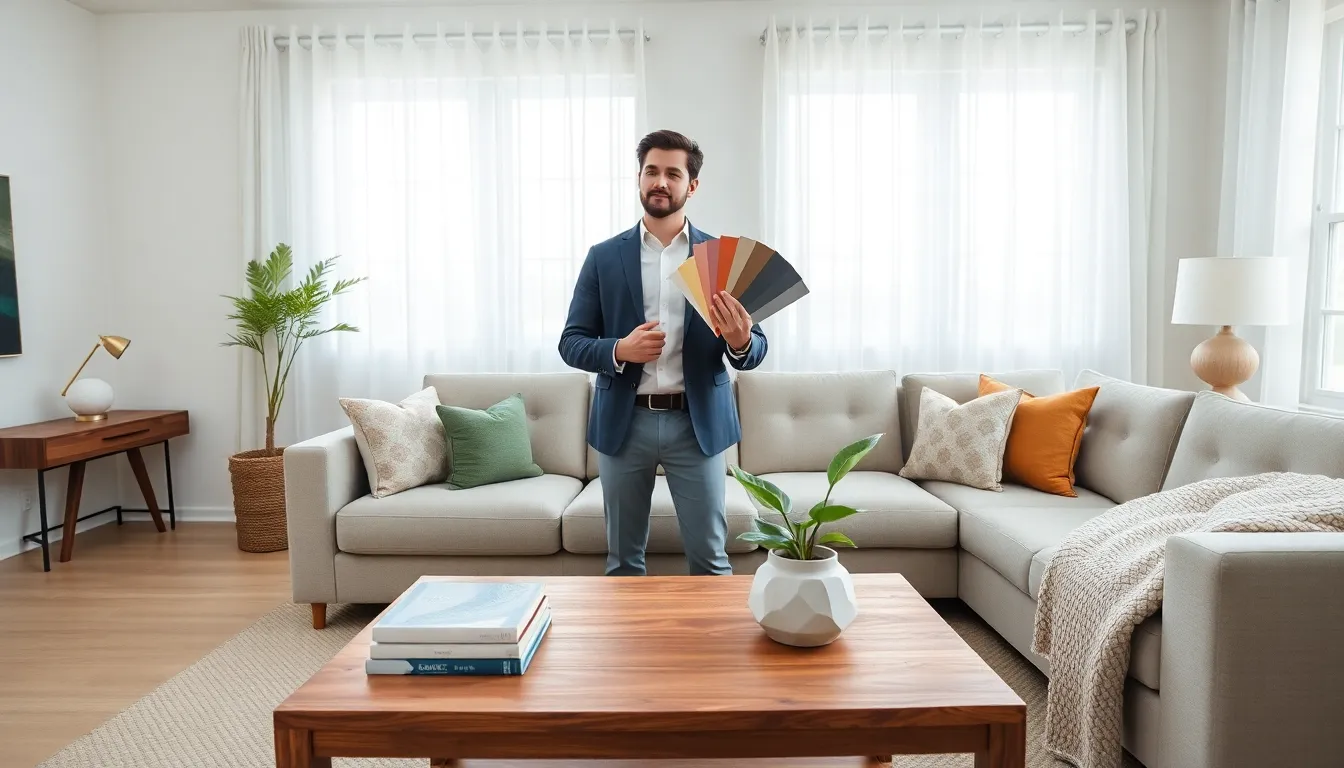
Testing colors before committing saves money and frustration. Paint swatches on walls and observe them at different times of day. Colors shift dramatically under morning light versus evening lamplight. What looks perfect at noon might feel cold at night.
Design and decor for beginners becomes easier when color choices follow a system rather than guesswork.
Essential Furniture and Layout Tips
Furniture placement affects how a room functions and feels. Many beginners push everything against the walls, thinking it maximizes space. This actually makes rooms feel disconnected and awkward.
Pull furniture away from walls when possible. A sofa floating in the room with a console table behind it creates conversation areas and adds depth. Even a few inches of breathing room between furniture and walls improves flow.
Create conversation zones in living spaces. Arrange seating so people can talk comfortably, ideally no more than eight feet apart. Angle chairs toward sofas rather than lining them up parallel to walls.
Measure everything twice. This sounds obvious, but it’s the most common mistake in design and decor. Beginners fall in love with furniture online, order it, and discover it overwhelms or underwhelms their space. Tape out dimensions on the floor before purchasing.
Leave pathways clear. Traffic should flow naturally through a room without requiring people to squeeze between furniture. Major pathways need at least 30 inches of clearance.
Anchor rugs properly. A rug should be large enough that at least the front legs of all furniture sit on it. A too-small rug floating in the middle of a room is one of the most common design mistakes.
Function should drive every furniture decision. A beautiful dining table that doesn’t fit the family’s lifestyle will collect dust. A practical piece that works daily will become beloved.
Adding Texture and Accessories
Texture separates flat, catalog-looking rooms from spaces with personality. Design and decor for beginners often focuses on color and furniture while ignoring this crucial layer.
Texture refers to how surfaces feel and appear. Smooth leather, nubby linen, rough wood, shiny metal, soft velvet, these create visual and tactile interest. A room with only smooth surfaces feels sterile. A room with varied textures feels rich and inviting.
Layer textures thoughtfully. Combine a velvet pillow with a chunky knit throw on a leather sofa. Place a ceramic lamp on a wood side table next to a metal picture frame. Each material plays off the others.
Accessories tell the story. Books, plants, artwork, and collected objects reveal personality. But beginners often under-accessorize (bare surfaces everywhere) or over-accessorize (cluttered surfaces everywhere). The middle ground involves grouping items in odd numbers, varying heights, and editing ruthlessly.
Plants deserve special mention. Greenery adds life, color, and texture simultaneously. Even people without green thumbs can keep pothos, snake plants, or ZZ plants alive. These require minimal care and thrive in low light.
Art doesn’t need to be expensive. Print shops, local artists, and even framed fabric or wallpaper samples create impact. The key is proper sizing and hanging height, center artwork at eye level (approximately 57 inches from floor to center).
Accessories offer the easiest way to update a space seasonally or as tastes evolve.
Common Beginner Mistakes to Avoid
Knowing what not to do saves as much time as knowing what to do. These mistakes appear constantly in beginner spaces.
Buying everything at once from one store. Rooms furnished entirely from a single retailer look like showrooms, not homes. Mix sources. Combine new pieces with thrifted finds, family heirlooms, and items collected over time.
Hanging curtains too low and too narrow. Curtain rods should sit close to the ceiling, not just above the window frame. Panels should extend several inches beyond the window on each side. This trick makes windows appear larger and ceilings higher.
Ignoring lighting layers. A single overhead fixture creates harsh, flat light. Design and decor experts use three types: ambient (general illumination), task (reading lamps, under-cabinet lights), and accent (highlighting art or architectural features). Mixing these creates warmth and dimension.
Following trends too literally. Trends inspire but shouldn’t dictate. A room that looks exactly like a viral TikTok video will feel dated in two years. Incorporate trends through easily replaceable items like pillows or accessories, not major furniture purchases.
Skipping the edit. Most rooms have too much stuff. Beginners keep adding without subtracting. Step back, remove three items, and see if the space improves. It usually does.
Rushing the process. Good design and decor takes time. Living in a space reveals what it actually needs. A room that evolves over months or years feels more personal than one assembled in a weekend shopping spree.