
Table of Contents
ToggleA well-designed space does more than look good. It supports daily life, reflects personality, and makes people feel at home. This design & decor guide breaks down the essentials of creating rooms that balance beauty with practicality. Whether starting from scratch or refreshing an existing space, understanding a few core principles makes all the difference. The sections ahead cover personal style discovery, color palette creation, the balance between function and form, and the art of layering textures. Each element plays a role in building a cohesive, inviting environment.
Key Takeaways
- Start your design & decor journey by identifying your personal style through collected images and honest lifestyle assessments.
- Use the 60-30-10 color rule to create visual balance—60% dominant color, 30% secondary, and 10% accent pieces.
- Define each room’s purpose before purchasing furniture to ensure your space works for daily activities.
- Maintain clear traffic flow by leaving at least 36 inches for walkways and arranging seating to encourage conversation.
- Layer textures like velvet, wood, leather, and woven materials to add depth and warmth to any room.
- Accessorize with intention—group objects in odd numbers, vary heights, and add plants, mirrors, and layered lighting for a polished finish.
Understanding Your Personal Style
Every successful design project starts with one question: What feels right? Personal style forms the foundation of any design & decor guide because it determines every choice that follows.
Identify What Draws Your Eye
Start by collecting images that spark interest. Pinterest boards, magazine clippings, and saved Instagram posts all work. After gathering 20-30 images, patterns emerge. Maybe there’s a lean toward warm woods and earthy tones. Perhaps clean lines and minimal furniture appear repeatedly. These clues point toward a style direction.
Common style categories include:
- Modern: Clean lines, neutral colors, minimal ornamentation
- Traditional: Rich fabrics, ornate details, symmetrical arrangements
- Bohemian: Eclectic mix, bold patterns, collected-over-time aesthetic
- Scandinavian: Light woods, functional furniture, cozy textures
- Industrial: Exposed materials, metal accents, raw finishes
Consider Lifestyle Factors
Style preferences must align with real life. A white linen sofa looks stunning in photos but might frustrate a family with young kids or pets. Someone who entertains frequently needs open seating arrangements. A remote worker requires dedicated office space that still fits the home’s aesthetic.
The best design & decor choices merge personal taste with practical reality. Honest assessment of daily habits prevents regrettable purchases and wasted money.
Establishing a Cohesive Color Palette
Color ties a room together. Without a clear palette, spaces feel scattered and unfinished. A strong design & decor guide always addresses color strategy early in the process.
The 60-30-10 Rule
Designers often use this formula to distribute color:
- 60% goes to the dominant color (walls, large furniture, rugs)
- 30% covers the secondary color (curtains, accent chairs, bedding)
- 10% appears in accent pieces (pillows, artwork, decorative objects)
This ratio creates visual balance without monotony. It gives the eye places to rest while providing enough variety to maintain interest.
Choosing Colors That Work Together
Nature provides reliable color combinations. Think of a forest, greens, browns, touches of sky blue. Or a beach at sunset, soft pinks, warm sand tones, deep ocean blue. These combinations already exist in harmony.
For those who prefer a more structured approach, the color wheel offers guidance. Complementary colors (opposite on the wheel) create energy. Analogous colors (next to each other) produce calm. Monochromatic schemes use varying shades of one color for sophisticated simplicity.
Temperature matters too. Warm colors (reds, oranges, yellows) energize a space. Cool colors (blues, greens, purples) calm it down. Most successful rooms mix temperatures but lean one direction.
Balancing Functionality and Aesthetics
A beautiful room that doesn’t work for daily life fails at its primary job. This design & decor guide emphasizes function because livability matters as much as looks.
Start with Purpose
Before buying a single piece of furniture, define what each room needs to accomplish. A living room might need to host movie nights, provide reading space, and accommodate guests. A bedroom should support restful sleep, provide storage, and offer a spot for morning routines.
Write down activities for each space. This list guides furniture selection, layout decisions, and storage solutions.
Traffic Flow and Furniture Placement
People need clear paths through rooms. Leave at least 36 inches for main walkways and 18 inches between furniture pieces. Coffee tables should sit about 18 inches from sofas, close enough to reach, far enough to move around.
Arrange seating to encourage conversation. Chairs facing each other across a coffee table work better than all furniture pointed at a TV. Create zones in larger rooms using rugs, lighting, and furniture groupings.
Storage Solutions That Look Good
Clutter kills design. Built-in shelving, attractive baskets, and furniture with hidden storage (ottomans, beds with drawers) keep spaces tidy without sacrificing style. The best storage blends into the room’s design rather than standing out as utilitarian afterthoughts.
Layering Textures and Accessories
Texture and accessories transform flat spaces into inviting environments. This stage of any design & decor guide brings rooms to life.
Mix Materials for Depth
A room with only smooth surfaces feels cold. Combine different textures:
- Soft: Velvet pillows, chunky knit throws, plush rugs
- Natural: Woven baskets, wood grain, leather, stone
- Smooth: Glass, metal, polished surfaces
- Rough: Exposed brick, jute, raw wood
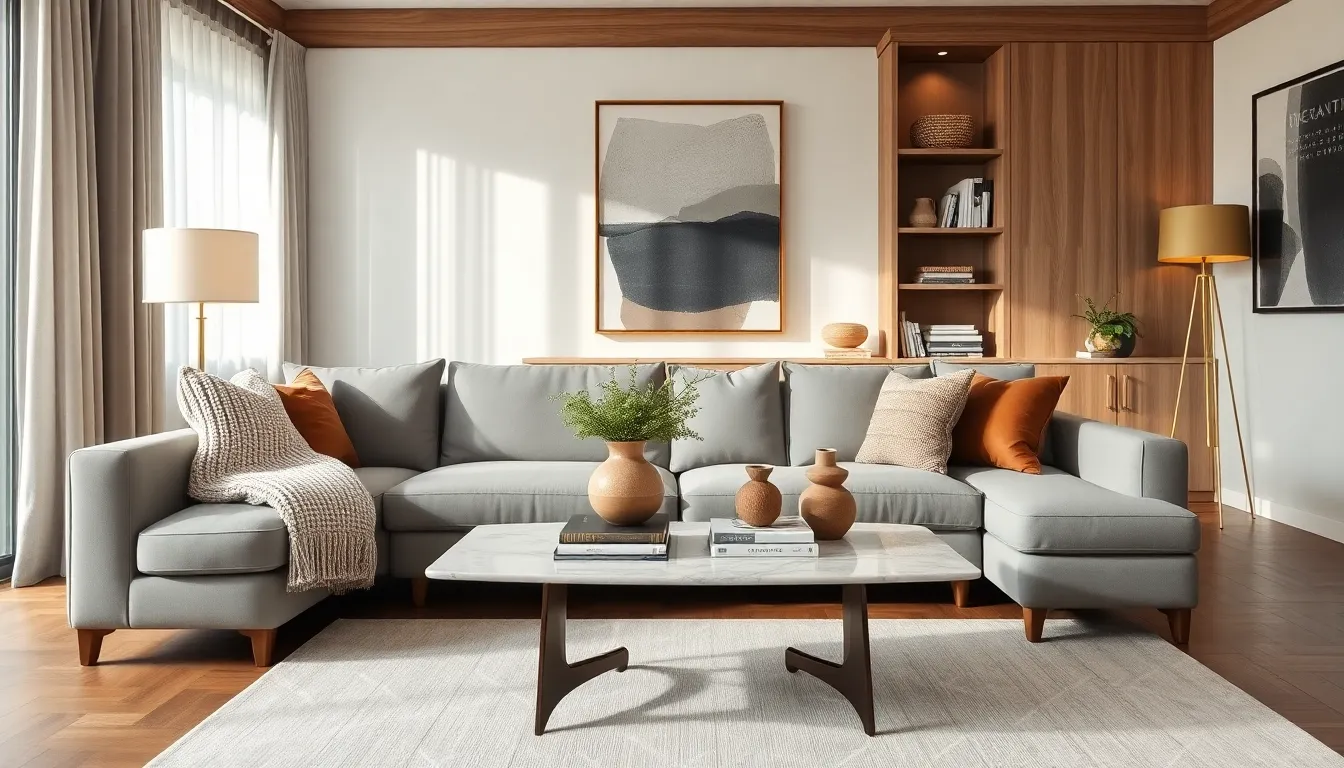
Contrast creates interest. A sleek leather sofa gains warmth from a fuzzy throw blanket. A polished marble table balances against a rough woven rug beneath it.
Accessorizing Without Overdoing It
Accessories should enhance, not overwhelm. Start with fewer pieces than expected. Add items gradually, stepping back after each addition to assess the effect.
Group objects in odd numbers, three candles, five books, a cluster of seven small frames. Vary heights within groups. A tall vase next to a medium sculpture and a small plant creates movement.
The Finishing Touches
Plants bring life and color at low cost. Mirrors expand perceived space. Artwork reflects personality and anchors walls. Lighting, layered with ambient, task, and accent sources, sets mood and highlights design elements.
These finishing touches make the difference between a decorated room and a truly designed space.