

Table of Contents
ToggleChoosing the right furniture transforms a house into a home. The pieces you select affect how you live, work, and relax in your space. Good furniture serves both function and style, it should look great and work even better.
This guide covers everything you need to know about furniture selection. From understanding different styles to measuring your space, these practical tips help you make smart choices. Whether you’re furnishing a first apartment or updating a family home, the right approach saves money and prevents costly mistakes.
Key Takeaways
- Quality furniture made from solid wood and hardwood frames lasts decades, saving you money compared to cheap alternatives that need frequent replacement.
- Always measure your room, doorways, and hallways before buying furniture to ensure proper fit and avoid delivery problems.
- Mix furniture styles strategically by establishing a cohesive color palette and repeating materials or finishes throughout the room.
- Prioritize furniture purchases based on how you actually live—invest most in pieces you use daily, like your desk chair or bed.
- Leave at least 36 inches of clearance for traffic paths and 14–18 inches between your coffee table and sofa for comfortable movement.
- Build your room around one anchor piece you love, then let that guide your choices for complementary furniture.
Understanding Different Furniture Styles
Furniture styles fall into several main categories. Each brings a distinct look and feel to your home.
Traditional furniture features ornate details, curved lines, and rich wood tones. Think carved legs, tufted upholstery, and classic silhouettes. This style works well in formal living rooms and dining spaces.
Modern furniture emphasizes clean lines and minimal decoration. Designers favor geometric shapes, neutral colors, and functional forms. Metal, glass, and molded plastics appear frequently in modern pieces.
Mid-century modern furniture draws from 1950s and 1960s design. Tapered legs, organic curves, and bold accent colors define this popular style. It pairs well with both vintage and current decor.
Contemporary furniture reflects current trends. Unlike modern (which refers to a specific era), contemporary changes over time. Today’s contemporary pieces often blend elements from multiple styles.
Rustic furniture celebrates natural materials and handcrafted details. Reclaimed wood, distressed finishes, and sturdy construction create a warm, lived-in feel. This style suits country homes and casual spaces.
Industrial furniture takes cues from factories and warehouses. Exposed metal, raw wood, and utilitarian designs characterize this urban aesthetic.
Most homes work best with a mix of styles. A mid-century sofa can sit alongside a rustic coffee table. The key is finding pieces that share similar proportions or color families.
Key Factors to Consider When Buying Furniture
Smart furniture shopping requires attention to several important factors. Price alone doesn’t tell the whole story.
Quality and Materials
Quality furniture lasts for decades. Cheap furniture often needs replacement within a few years, costing more over time.
Solid wood furniture outperforms particleboard and MDF in durability. Look for oak, maple, walnut, or cherry in high-use pieces like dining tables and dressers. Plywood offers good strength at lower cost than solid wood.
For upholstered furniture, check the frame material. Hardwood frames (kiln-dried) resist warping and cracking. Avoid softwood or plastic frames in sofas and chairs.
Cushion quality matters too. High-density foam (1.8 pounds per cubic foot or higher) holds its shape longer than low-density alternatives. Down-wrapped cushions feel luxurious but require regular fluffing.
Examine joints and construction. Dovetail and mortise-and-tenon joints signal quality craftsmanship. Staples and glue alone won’t hold up to daily use.
Size and Space Planning
Furniture that fits perfectly on a showroom floor might overwhelm your living room. Always measure before you buy.
Start by measuring your room’s dimensions. Note doorways, windows, and any architectural features that affect furniture placement. Draw a simple floor plan or use a free room-planning app.
Leave adequate walking space around furniture. Traffic paths need at least 36 inches of clearance. Coffee tables should sit 14 to 18 inches from sofas.
Consider scale and proportion. A massive sectional drowns a small room. A tiny loveseat looks lost in a large open space. Furniture should relate well to both room size and other pieces.
Measure doorways, hallways, and staircases before ordering. That beautiful dresser won’t help if delivery crews can’t get it inside.
Essential Furniture Pieces for Every Room
Each room in your home requires specific furniture to function well.
Living Room Essentials:
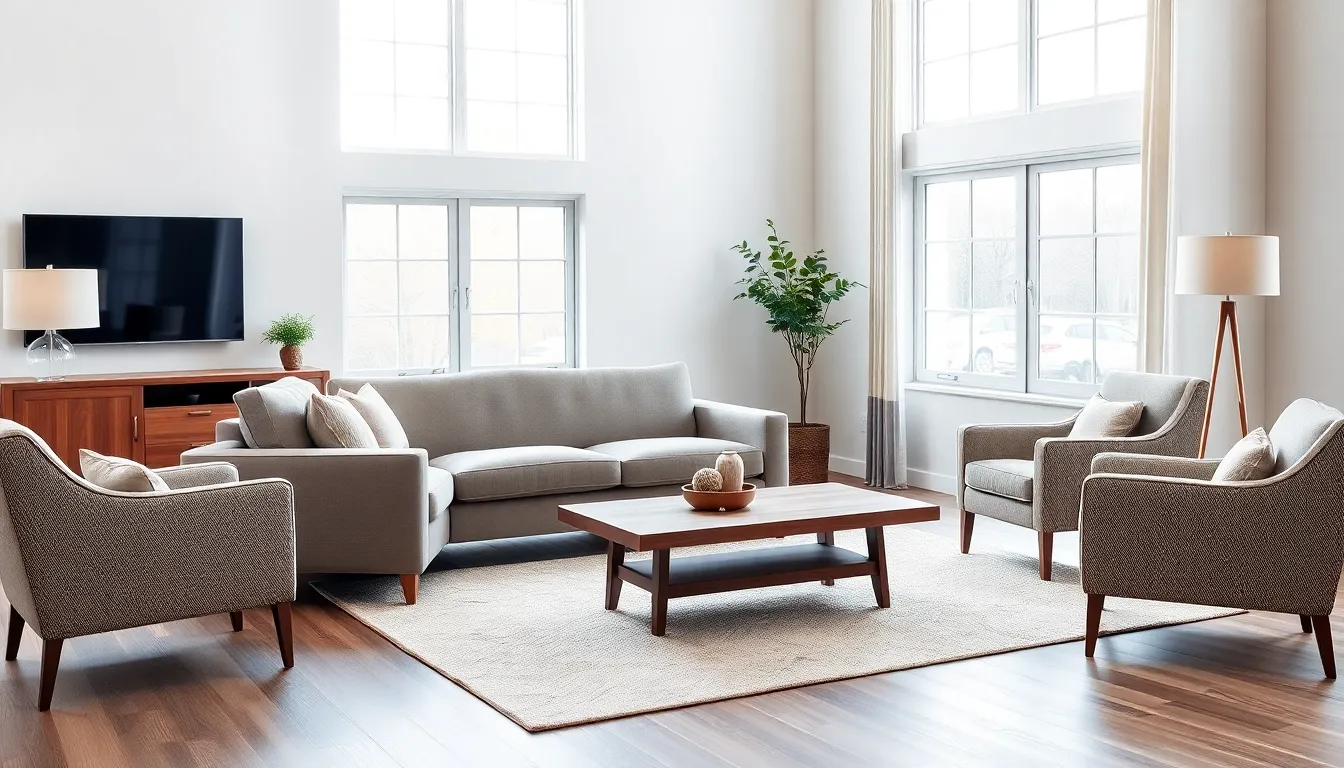
- A comfortable sofa anchors the space
- Coffee table or ottoman for drinks and decor
- Side tables for lamps and convenience
- Media console or entertainment center
- Accent chairs for additional seating
Bedroom Must-Haves:
- Quality bed frame and mattress (invest here, you spend a third of your life sleeping)
- Nightstands on both sides of the bed
- Dresser or chest of drawers
- Mirror, either freestanding or wall-mounted
Dining Room Basics:
- Dining table sized for your household plus guests
- Chairs that fit comfortably around the table
- Buffet or sideboard for storage and serving
Home Office Needs:
- Desk at proper working height (28 to 30 inches)
- Ergonomic chair with lumbar support
- Bookcase or shelving for organization
- Filing cabinet if you handle paperwork
Prioritize furniture based on how you actually live. Someone who works from home needs a great desk chair more than a formal dining set. A family with young kids might skip the white sofa for now.
Tips for Mixing and Matching Furniture
A room filled with matching furniture can feel like a catalog showroom, pretty but impersonal. Strategic mixing creates visual interest and reflects your personality.
Establish a color palette. Choose three to five colors that appear throughout the room. This creates cohesion even when furniture styles differ. A blue velvet chair can work with a brown leather sofa if both relate to accent pillows or a rug.
Vary heights and shapes. Combine round and rectangular pieces. Mix tall bookcases with low consoles. This variation keeps the eye moving and prevents monotony.
Repeat materials or finishes. If your coffee table has brass legs, echo that brass in lamp bases or hardware. Wood tones don’t need to match exactly, but they should complement each other.
Balance old and new. A vintage armchair adds character to a room full of new furniture. Antique pieces bring history and unique craftsmanship that mass-produced items can’t replicate.
Consider visual weight. A heavy wooden dining table needs substantial chairs to match. Pair delicate furniture with other light pieces.
Start with one anchor piece. Build your room around a sofa, dining table, or bed you love. Let that piece guide your choices for everything else.
Don’t rush the process. Living with a space for a while helps you understand what you actually need. Better to have fewer pieces you love than a room full of compromises.