

Table of Contents
ToggleGreat furniture ideas can change how a home looks and feels. The right pieces create comfort, improve function, and reflect personal style. Whether someone wants to update a single room or redesign an entire house, furniture choices matter more than most people realize.
This guide covers practical furniture ideas for living rooms, bedrooms, dining areas, home offices, and more. Each section offers actionable tips to help readers make smart decisions. From selecting the perfect sofa to finding a desk that boosts productivity, these ideas will inspire real change.
Key Takeaways
- Great furniture ideas balance style, comfort, and function to transform any room in your home.
- Invest in quality anchor pieces like sofas and beds first, as they set the tone for the entire space.
- Always measure your room dimensions and doorways before shopping to avoid costly returns.
- Choose versatile, neutral-colored furniture that adapts to changing décor and lifestyle needs.
- Mix materials like wood, metal, and fabric to add visual depth and interest to your spaces.
- Prioritize ergonomic home office furniture to support productivity and physical health during remote work.
Living Room Furniture That Balances Style and Comfort
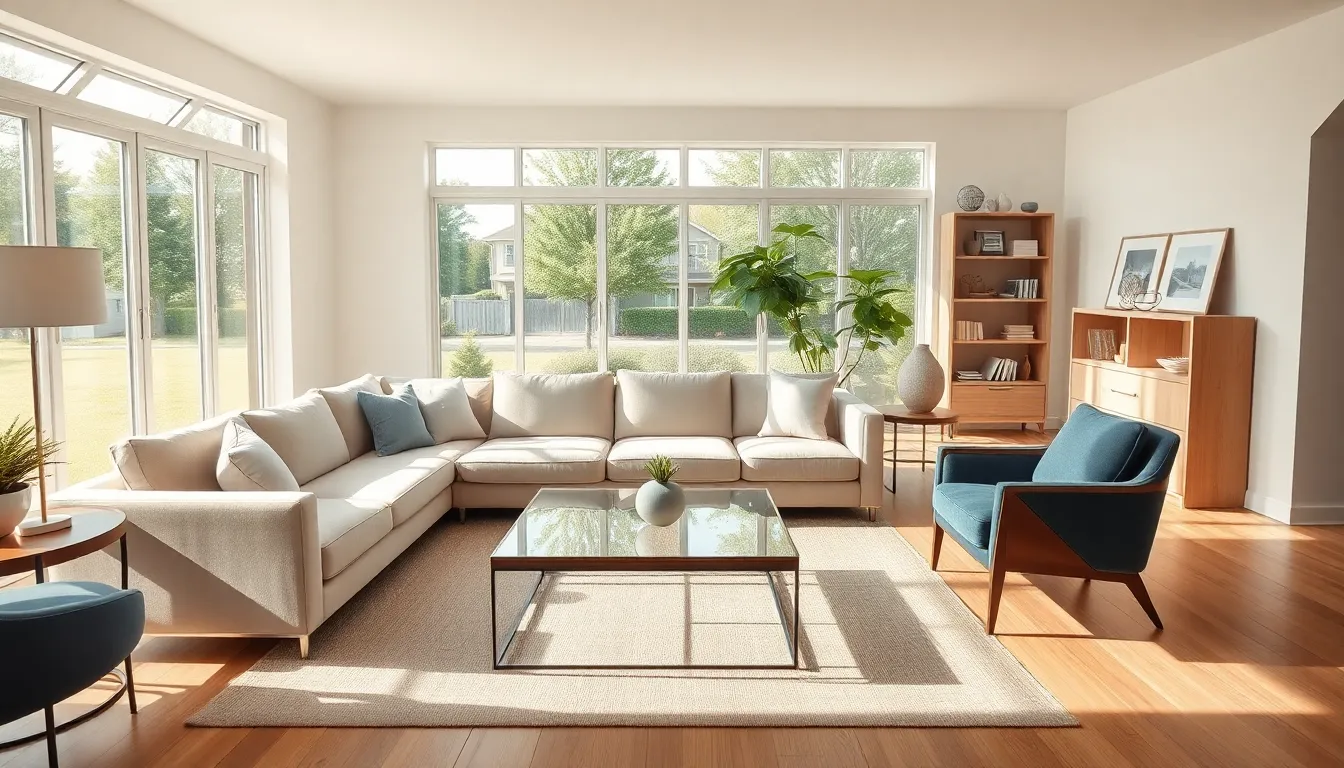
The living room serves as the heart of most homes. People gather here to relax, watch TV, and spend time with family. Good furniture ideas for this space prioritize both comfort and visual appeal.
A quality sofa anchors the room. Sectionals work well in larger spaces, while loveseats or apartment-sized sofas fit smaller rooms. Fabric choice matters too, leather offers durability, while velvet adds texture. Neutral colors like gray, beige, or navy give flexibility for changing décor over time.
Coffee tables should match the room’s scale. A round table prevents bumped shins in tight spaces. Glass tops create an open feel, and wood brings warmth. Nesting tables offer versatility since they can spread out for parties or stack together when not in use.
Accent chairs add personality without overwhelming the room. A bold-colored armchair or a mid-century modern piece can become a focal point. Ottomans serve double duty as extra seating and footrests.
Storage furniture keeps living rooms tidy. Entertainment centers hide cables and organize media equipment. Bookcases display items and store books. Console tables behind sofas provide surface space for lamps and décor.
Lighting furniture like floor lamps completes the look. They provide ambient light and fill empty corners. Choose styles that complement other furniture pieces for a unified appearance.
Bedroom Furniture for a Relaxing Retreat
Bedrooms need furniture that promotes rest and relaxation. The best furniture ideas here focus on creating a calm, organized environment.
The bed frame sets the tone. Platform beds offer a modern look and often include built-in storage. Upholstered headboards add softness and comfort for reading in bed. Canopy beds create drama in larger bedrooms. Size matters, ensure the bed leaves enough floor space for walking and other furniture.
Nightstands should sit at mattress height for easy access. Drawers store items out of sight. A surface large enough for a lamp, phone, and glass of water works best. Matching nightstands create symmetry, though mismatched pieces can add character.
Dressers and wardrobes store clothing efficiently. Tall dressers use vertical space in small rooms. Wide dressers can double as TV stands. Wardrobes work in bedrooms without closets or when extra storage is needed.
A bench at the foot of the bed provides seating for putting on shoes. It also offers storage if it opens or has shelves underneath. This furniture piece adds function without cluttering the room.
Vanities or small desks fit in larger bedrooms. They create space for morning routines or light work. A comfortable chair or stool completes the setup.
Dining and Kitchen Furniture for Everyday Gatherings
Dining areas bring people together for meals and conversation. Smart furniture ideas make these spaces welcoming and practical.
Dining tables come in many shapes. Round tables encourage conversation and work well in smaller spaces. Rectangular tables seat more guests and fit longer rooms. Extendable tables offer flexibility for holidays and dinner parties. Material choices range from wood to glass to marble, each creating a different mood.
Chairs should be comfortable enough for long dinners. Upholstered seats add cushioning. Wooden chairs clean easily and last decades. Mixing chair styles, like pairing armchairs at the ends with side chairs, adds visual interest.
Benches provide casual seating and save space. They push completely under tables when not in use. Kids often prefer benches, and they fit more people when needed.
Sideboards and buffets store dishes, linens, and serving pieces. They also provide surface space for displaying décor or setting up food during gatherings. A bar cart adds style and keeps drinks organized for entertaining.
Kitchen furniture includes barstools for islands and breakfast bars. Counter-height stools work with standard counters. Bar-height stools fit taller surfaces. Swivel seats make getting on and off easier. Backless stools tuck away completely under counters.
Home Office Furniture for Productivity and Focus
Remote work has made home office furniture more important than ever. The right pieces support productivity and physical health.
A good desk forms the foundation. Standing desks allow position changes throughout the day. L-shaped desks provide ample surface area for multiple monitors. Writing desks suit those who primarily use laptops. Desk depth should accommodate computer monitors at a comfortable viewing distance.
Office chairs deserve serious investment. Ergonomic chairs support the spine and reduce fatigue. Adjustable height, armrests, and lumbar support matter most. Mesh backs breathe better than solid materials during long work sessions.
Bookshelves and filing cabinets keep documents organized. Open shelving displays reference books within reach. Closed cabinets hide clutter and protect important papers. Vertical file organizers save desk space.
Good lighting prevents eye strain. Desk lamps with adjustable arms direct light where needed. Task lighting supplements overhead fixtures for detailed work.
A comfortable guest chair helps when colleagues or clients visit. A small side table holds coffee cups during meetings. These furniture ideas transform spare rooms into functional workspaces.
Tips for Choosing Furniture That Fits Your Space
Selecting furniture requires planning. These tips help readers avoid common mistakes and find pieces that work.
Measure everything first. Know room dimensions, doorway widths, and ceiling heights before shopping. A tape measure prevents returns and disappointment. Many stores and websites show furniture dimensions, use them.
Consider traffic flow. People need clear paths through rooms. Leave at least 36 inches for main walkways. Furniture should not block doors, windows, or heating vents.
Think about scale and proportion. Large furniture overwhelms small rooms. Tiny pieces look lost in big spaces. Furniture heights should relate to each other, a tall bookcase needs balanced elements nearby.
Choose quality over quantity. Fewer well-made pieces last longer and look better than many cheap items. Check construction details like dovetail joints and solid wood frames. Read reviews for durability feedback.
Mix materials and textures. Rooms with only one material feel flat. Combine wood, metal, fabric, and glass for depth. Different textures create visual interest even in neutral color schemes.
Buy versatile pieces first. A sofa with classic lines works with changing styles. Neutral colors adapt to new color schemes. Modular furniture rearranges as needs change.