

Table of Contents
ToggleFurniture strategies can transform any room from cluttered chaos into a functional, beautiful space. Whether someone is moving into a new home or refreshing an existing room, the right approach makes all the difference. Smart furniture decisions involve more than picking pieces that look good, they require planning, budgeting, and a clear understanding of how a space will be used daily.
The average American household spends between $2,000 and $5,000 on furniture annually. That’s a significant investment, and it deserves careful thought. This guide covers essential furniture strategies that help homeowners and renters make smarter choices. From space planning to sustainable options, these approaches ensure every piece serves a purpose and stands the test of time.
Key Takeaways
- Effective furniture strategies start with measuring your space and planning traffic flow before making any purchases.
- Invest more in high-use pieces like sofas and mattresses, which deliver better cost-per-use value over time.
- Mix styles intentionally by using 80% of a dominant style and 20% complementary pieces for a personalized, lived-in look.
- Shop during major holiday sales like Presidents’ Day, Memorial Day, and Black Friday to save significantly on furniture purchases.
- Choose sustainable furniture with quality construction indicators like solid wood frames and dovetail joints for long-term durability.
- Balance scale and proportion by mixing furniture heights and sizes to create visual interest without overwhelming the space.
Space Planning and Layout Considerations
Good furniture strategies start with space planning. Before buying a single piece, measure the room. Write down the dimensions. Sketch a rough floor plan. This simple step prevents the common mistake of purchasing furniture that’s too large or too small for the space.
Traffic flow matters more than most people realize. A room needs clear pathways, typically 30 to 36 inches wide, for comfortable movement. Furniture arrangements should guide people naturally through the space without obstacles or awkward detours.
Consider the room’s primary function. A living room meant for entertaining needs different furniture placement than one designed for quiet reading. Multi-use spaces require flexible arrangements. Modular sofas, nesting tables, and lightweight chairs allow quick reconfiguration when needs change.
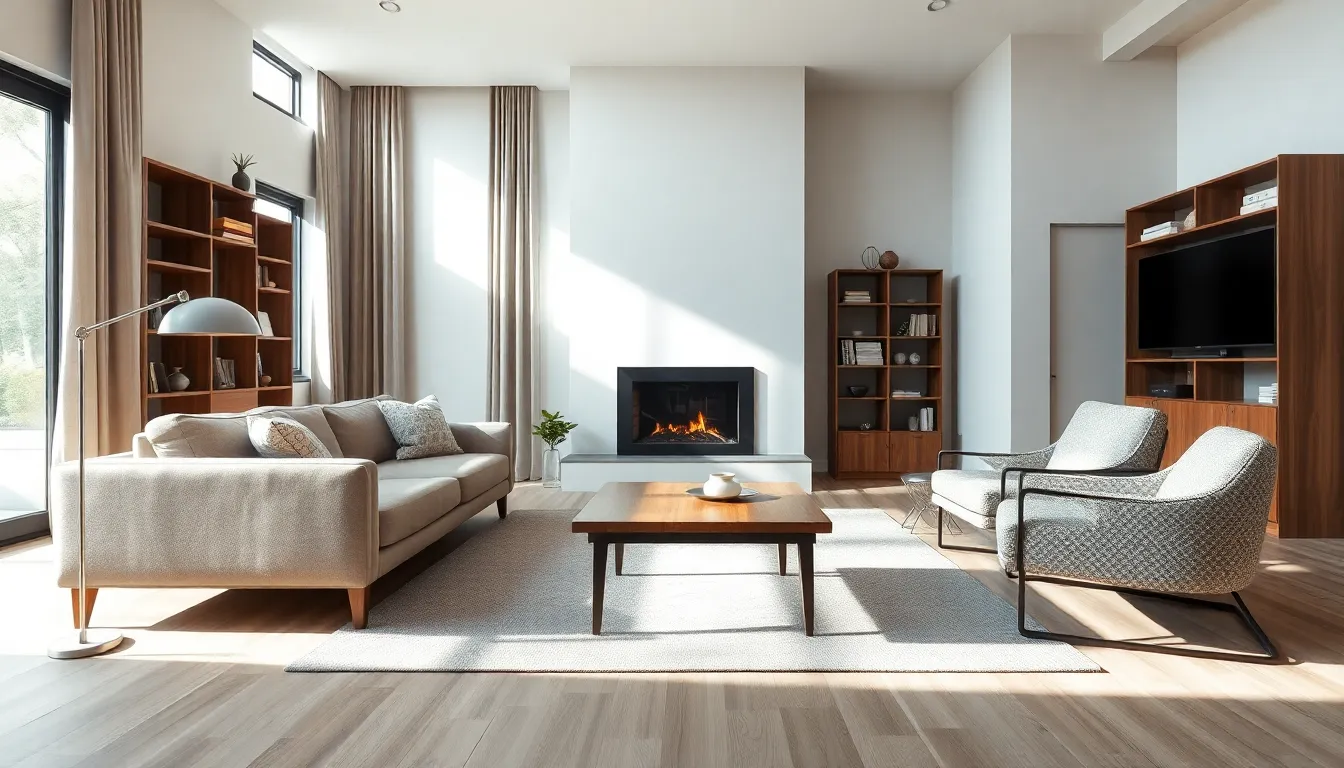
Focal points anchor a room’s layout. This might be a fireplace, a large window, or a statement piece of furniture. Arrange seating and other items to complement this anchor point. The result feels intentional rather than random.
Scale and proportion deserve attention too. A massive sectional overwhelms a small apartment. A tiny loveseat gets lost in a spacious great room. Balance larger pieces with smaller accents. Mix heights, a tall bookshelf paired with a low coffee table creates visual interest.
Don’t forget vertical space. Wall-mounted shelves, tall bookcases, and hanging planters draw the eye upward and make rooms feel larger. These furniture strategies work especially well in apartments and smaller homes where floor space is limited.
Budgeting and Investment Priorities
Smart furniture strategies require honest budgeting. Determine a total spending limit before shopping. Then divide that budget across different pieces based on priority and expected use.
Some items deserve higher investment. A quality sofa sees daily use for 10 to 15 years. A good mattress affects health and sleep quality. Dining tables host countless family meals and gatherings. These high-use pieces justify spending more upfront for better construction and materials.
Other items work fine at lower price points. Guest bedroom furniture, decorative accent pieces, and trendy items that may fall out of style don’t need premium pricing. Save money here to invest elsewhere.
The cost-per-use calculation helps prioritize spending. A $2,000 sofa used daily for 10 years costs about 55 cents per day. A $500 accent chair used weekly for the same period costs nearly 96 cents per use. The “expensive” sofa actually delivers better value.
Timing affects furniture purchases significantly. Major sales happen during holiday weekends, Presidents’ Day, Memorial Day, Labor Day, and Black Friday offer substantial discounts. End-of-year clearances help retailers move inventory before new models arrive.
Consider secondhand options for quality pieces. Estate sales, consignment shops, and online marketplaces offer solid wood furniture and vintage pieces at fraction of retail prices. A used Ethan Allen dresser often outlasts a new budget-store equivalent.
Avoid financing furniture purchases when possible. Interest charges add 15% to 30% to the final cost. If financing is necessary, look for 0% APR promotions and pay off the balance before interest kicks in.
Mixing Styles and Materials Effectively
Modern furniture strategies embrace mixing styles rather than matching everything perfectly. A room filled with identical pieces from a single collection looks like a showroom catalog, not a lived-in home.
Start with a dominant style that reflects personal taste. This might be mid-century modern, traditional, farmhouse, or industrial. Let this style account for about 80% of the room’s furniture. Then add 20% from complementary styles for contrast and personality.
Materials tell their own story. Wood brings warmth. Metal adds edge. Glass creates openness. Fabric introduces softness. A successful room usually features at least three different materials. A leather sofa, wood coffee table, and metal floor lamp create a balanced combination.
Color serves as the unifying element when styles mix. Choose a cohesive color palette, typically three to five colors, and apply it across different furniture pieces. A mid-century chair and a traditional side table work together when they share similar wood tones or upholstery colors.
Texture adds depth without visual clutter. Pair smooth surfaces with textured ones. A sleek glass table looks better next to a nubby fabric chair than next to another shiny surface. These furniture strategies create rooms that feel layered and interesting.
Avoid the “theme” trap. A beach house doesn’t need seashell motifs on every piece. A modern apartment doesn’t require exclusively chrome and glass. Heavy-handed themes feel dated quickly. Subtle nods to a style work better than obvious ones.
One statement piece can anchor mixed styles. A bold vintage dresser, an unusual chair, or an antique table becomes the conversation piece. Let it stand out. Keep surrounding furniture more neutral to avoid competition.
Sustainable and Long-Term Furniture Choices
Sustainable furniture strategies benefit both the environment and the wallet. Fast furniture, cheap, disposable pieces meant for short-term use, costs less upfront but creates waste and requires frequent replacement.
Look for construction quality indicators. Solid wood frames outlast particle board. Dovetail joints prove stronger than staples or glue alone. Eight-way hand-tied springs in sofas provide better support than sinuous springs. Kiln-dried hardwood resists warping and cracking.
Certifications help identify responsibly sourced furniture. FSC (Forest Stewardship Council) certification indicates wood from sustainably managed forests. GREENGUARD certification means low chemical emissions. These labels matter for both environmental impact and indoor air quality.
Classic designs outlast trendy ones. A Chesterfield sofa or Eames-style chair stays relevant for decades. Ultra-trendy pieces look dated within a few years. Choose timeless silhouettes for major investments and express trends through easily replaced accessories.
Repairability extends furniture life. Pieces with removable cushion covers allow reupholstering. Tables with solid wood tops can be refinished multiple times. Modular furniture allows component replacement rather than whole-piece disposal.
Local and domestic manufacturers often produce higher-quality furniture with smaller carbon footprints. Shipping heavy furniture across oceans generates significant emissions. Supporting regional craftspeople also builds community economic resilience.
Consider furniture’s end-of-life from the start. Will this piece be recyclable? Can it be donated or resold? Materials like solid wood and metal have second lives. Composite materials and certain foams end up in landfills. Smart furniture strategies account for the full lifecycle.