

Table of Contents
ToggleGood furniture tips can transform any living space from cluttered to comfortable. The right pieces make a home functional, beautiful, and inviting. But choosing furniture isn’t always straightforward. Buyers face decisions about size, style, quality, and budget every time they shop. This guide covers practical furniture tips that help homeowners make smarter choices. From selecting durable materials to arranging pieces in a room, these strategies work for apartments, houses, and everything in between. Whether someone is furnishing their first place or refreshing an existing space, these insights will guide them toward better decisions.
Key Takeaways
- Prioritize quality over quantity—well-made furniture lasts decades and creates a cleaner, more sophisticated look.
- Always measure your space before buying to ensure proper fit, traffic flow, and visual proportion.
- Mix materials and styles thoughtfully by repeating elements like metal finishes and limiting your color palette to 3–4 colors.
- Maintain furniture regularly with proper cleaning, conditioning, and seasonal checks to extend its lifespan significantly.
- Invest in timeless furniture pieces with clean lines and neutral colors to avoid trends that quickly look dated.
- These furniture tips help you make smarter decisions whether you’re furnishing a new home or refreshing an existing space.
Choose Quality Over Quantity
One of the most valuable furniture tips anyone can follow is prioritizing quality over quantity. A room packed with cheap furniture looks cluttered and wears out fast. Meanwhile, fewer well-made pieces create a cleaner, more sophisticated look.
Quality furniture lasts longer. A solid wood dining table might cost more upfront, but it can serve a family for decades. Particle board alternatives often warp, chip, or fall apart within a few years. The math favors buying better.
Here’s what to look for when assessing furniture quality:
- Frame construction: Hardwood frames (oak, maple, ash) outlast softwood or engineered alternatives
- Joinery: Dovetail and mortise-and-tenon joints indicate craftsmanship: glue and staples alone suggest shortcuts
- Upholstery density: Higher-density foam in cushions maintains shape longer
- Hardware: Metal drawer slides and hinges beat plastic every time
These furniture tips apply whether shopping at high-end showrooms or thrift stores. Plenty of secondhand gems exist, buyers just need to know what separates quality from junk.
The environmental angle matters too. Disposable furniture fills landfills at alarming rates. Investing in durable pieces reduces waste and supports more sustainable consumption patterns.
Measure Your Space Before Buying
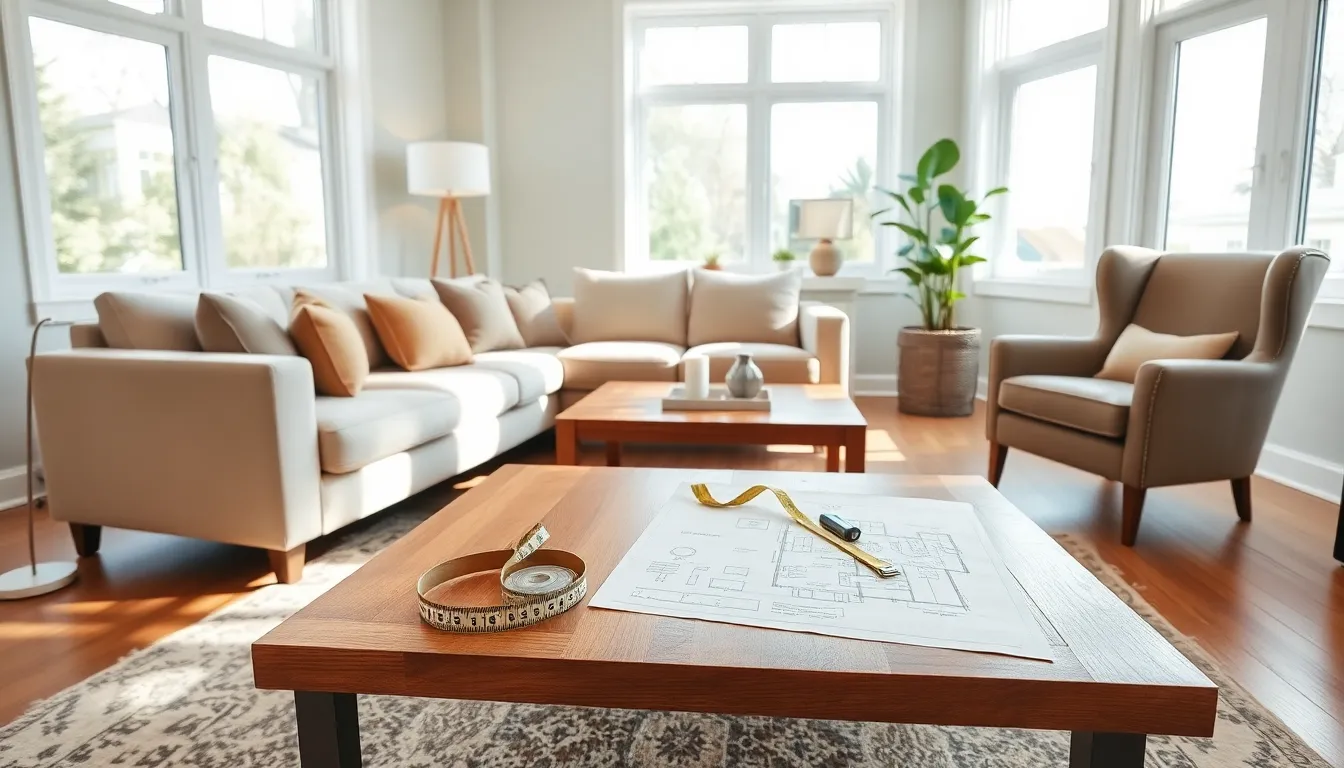
This sounds obvious, yet people skip it constantly. Then they end up with a sofa that blocks a doorway or a bed that leaves no room for nightstands. Measuring saves money, time, and frustration.
Before shopping, smart buyers grab a tape measure and document:
- Room dimensions (length, width, ceiling height)
- Doorway and hallway widths for delivery access
- Window placement and sizes
- Existing furniture dimensions if keeping certain pieces
These furniture tips extend beyond basic measurements. Consider traffic flow through the room. A gorgeous sectional means nothing if family members have to squeeze past it daily. Leave at least 30 inches for main walkways and 18 inches for secondary paths.
Scale matters enormously. Oversized furniture makes small rooms feel cramped. Undersized pieces in large spaces look awkward and disconnected. The goal is proportion, furniture that fits the room’s scale creates visual harmony.
Many retailers offer augmented reality apps that let shoppers visualize furniture in their actual spaces. These tools catch sizing mistakes before delivery day. A few minutes with an app can prevent weeks of regret.
Another practical tip: create a floor plan sketch. Graph paper works fine, or free online tools like RoomSketcher can help. Plotting furniture placement ahead of time reveals problems early.
Mix Materials and Styles Thoughtfully
Matching furniture sets had their moment. It passed. Today’s best-designed spaces mix materials, eras, and styles with intention.
This approach requires balance. Throwing random pieces together creates chaos. But thoughtful combinations add depth and personality that catalog-perfect rooms lack.
Effective furniture tips for mixing include:
- Repeat elements: If one piece features brass hardware, echo that metal elsewhere in the room
- Vary heights: Combine low-profile sofas with taller bookshelves or floor lamps
- Balance heavy and light: A chunky leather armchair pairs well with a delicate side table
- Limit your palette: Three to four colors keep mixed styles cohesive
Wood tones deserve special attention. Different woods can coexist beautifully, but they need something in common, similar undertones (warm or cool) or deliberate contrast. A walnut coffee table and oak bookshelf might clash unless connected by shared accent colors or textures.
Texture adds another layer. Smooth leather, rough linen, polished metal, and matte wood all feel different. Rooms with varied textures engage the senses more than spaces where everything feels the same.
Vintage and modern pieces often complement each other surprisingly well. A mid-century chair beside a contemporary sofa creates conversation and visual interest. These furniture tips encourage experimentation within structure.
Maintain Your Furniture Properly
Even the best furniture deteriorates without proper care. Regular maintenance extends lifespan significantly and keeps pieces looking fresh.
Different materials need different approaches:
Wood Furniture
- Dust weekly with a soft cloth
- Use coasters and trivets to prevent water rings and heat damage
- Apply furniture polish or wax every few months
- Keep away from direct sunlight to prevent fading
Upholstered Pieces
- Vacuum cushions and crevices regularly
- Rotate and flip cushions to distribute wear evenly
- Treat stains immediately, blot, don’t rub
- Consider professional cleaning every 12-18 months
Leather
- Wipe with a damp cloth weekly
- Condition every 6-12 months to prevent cracking
- Keep away from heat sources and direct sunlight
These furniture tips might seem tedious, but they pay off. A well-maintained leather sofa can look good for 20+ years. A neglected one cracks and peels within five.
Seasonal checks help too. Tighten loose screws on chairs and tables. Address wobbly legs before they cause structural damage. Small repairs prevent big problems.
Invest in Timeless Pieces
Trends come and go. That velvet everything phase? Already fading. The all-gray interiors? Looking dated. Smart furniture tips focus on classic designs that transcend seasonal fads.
Timeless doesn’t mean boring. It means choosing shapes, proportions, and details that have proven appeal across decades. A Parsons table works in virtually any setting. A well-proportioned wingback chair has looked stylish for centuries.
Characteristics of timeless furniture:
- Clean lines without excessive ornamentation
- Neutral base colors (add trends through accessories instead)
- Classic proportions that feel balanced
- Quality construction that ages gracefully
This strategy works financially too. Trendy pieces lose value quickly. Classic designs hold resale value and often appreciate. Someone selling a Herman Miller Eames chair gets more than they paid. Someone selling last decade’s trendy accent piece gets pennies.
These furniture tips don’t mean avoiding personality entirely. Express individual style through textiles, art, and smaller accessories. These elements cost less to replace when tastes change.
Investing in timeless foundation pieces, sofas, dining tables, bed frames, provides flexibility. The backdrop stays elegant while accent pieces evolve with trends and preferences.