

Table of Contents
ToggleFurniture vs. furnishings, these two terms often get tossed around interchangeably, but they actually mean different things. Understanding the distinction matters whether someone is shopping for a new home, working with an interior designer, or simply trying to communicate clearly about decor. Furniture refers to the larger, functional pieces in a space, while furnishings encompass a broader category that includes decorative items and accessories. This article breaks down the key differences between furniture and furnishings, explains when to use each term, and shows how both elements work together to create a complete living space.
Key Takeaways
- Furniture refers to large, functional pieces like sofas, beds, and tables, while furnishings include furniture plus all decorative accessories and textiles.
- In the furniture vs. furnishings comparison, furniture is a subset—all furniture counts as furnishings, but not all furnishings count as furniture.
- Furniture provides the structural foundation of a room, serving essential needs like sitting, sleeping, and storage.
- Furnishings transform functional spaces into personalized homes by adding color, texture, and visual interest through items like rugs, curtains, and artwork.
- Use “furniture” when discussing specific large pieces, and “furnishings” when referring to the complete contents of a space.
- A well-designed room balances both elements—start with quality furniture, then layer in furnishings to add warmth and personality.
What Is Furniture?
Furniture includes the large, movable items that serve a primary function in a room. Think sofas, beds, dining tables, chairs, dressers, and desks. These pieces provide structure to a space and fulfill essential needs like sitting, sleeping, eating, and storage.
The word “furniture” comes from the French word fourniture, meaning “to furnish” or “to provide.” In practice, furniture vs. other items in a home comes down to one key factor: functional necessity. A couch gives people a place to sit. A bed provides a surface for sleep. A desk offers workspace.
Furniture pieces typically share these characteristics:
- Substantial size and weight – They occupy significant floor space
- Primary function – They serve an essential purpose in daily life
- Durability – They’re built to last for years
- Movability – They can be relocated, unlike built-in fixtures
Common examples of furniture include:
- Living room: sofas, armchairs, coffee tables, entertainment centers
- Bedroom: beds, nightstands, wardrobes, dressers
- Dining room: dining tables, chairs, buffets, china cabinets
- Office: desks, office chairs, filing cabinets, bookcases
Furniture forms the foundation of interior design. Without it, a room is just an empty shell.
What Are Furnishings?
Furnishings cast a wider net than furniture alone. The term “furnishings” includes furniture plus all the accessories, textiles, and decorative elements that complete a space. Curtains, rugs, throw pillows, lamps, artwork, mirrors, and decorative objects all fall under furnishings.
When someone refers to “home furnishings,” they’re talking about everything needed to make a house feel livable and styled. This includes both the functional furniture pieces and the finishing touches that add personality and comfort.
Furnishings can be divided into several categories:
- Soft furnishings: Curtains, blinds, rugs, cushions, bedding, towels
- Lighting: Table lamps, floor lamps, chandeliers, sconces
- Wall decor: Paintings, photographs, mirrors, wall hangings
- Accessories: Vases, candles, decorative trays, plants, clocks
The furniture vs. furnishings distinction becomes clearer with an example. A bedroom’s furniture might include the bed frame, mattress, dresser, and nightstands. The furnishings would include all of that plus the bedding, curtains, decorative pillows, table lamp, area rug, and framed photos on the wall.
Furnishings transform a functional space into a comfortable, personalized home. They add color, texture, warmth, and visual interest that furniture alone cannot provide.
Main Differences Between Furniture and Furnishings
The furniture vs. furnishings debate comes down to scope, function, and permanence. Here’s how these two categories compare:
| Aspect | Furniture | Furnishings |
|---|---|---|
| Scope | Specific category | Broader umbrella term |
| Function | Primary, essential use | Functional and decorative |
| Size | Typically large | Ranges from large to small |
| Examples | Sofa, bed, table | Sofa, bed, table + curtains, rugs, lamps |
| Purpose | Provides structure | Completes and personalizes space |
Scope: Furniture is a subset of furnishings. All furniture counts as furnishings, but not all furnishings count as furniture. A throw pillow is a furnishing but not furniture.
Function: Furniture serves a primary, practical purpose. Furnishings include items that may be purely decorative, like wall art or vases.
Permanence: Furniture tends to stay in place longer. People swap out throw pillows and curtains more often than they replace a sofa or dining table.
Investment: Furniture typically costs more per item and represents a bigger purchase decision. Furnishings allow for smaller, more frequent updates to a space.
Understanding these differences helps with clearer communication. When a designer asks about a client’s furniture needs, they want to know about couches, beds, and tables. When they ask about furnishings, they’re considering the complete picture.
When to Use Each Term
Context determines which term fits best. The furniture vs. furnishings choice depends on what someone is discussing and who they’re speaking with.
Use “furniture” when referring to:
- Specific large pieces like sofas, beds, or tables
- Shopping for functional items for a room
- Moving day logistics (“We need to transport the furniture”)
- Furniture stores and manufacturers
Use “furnishings” when referring to:
- The complete contents of a room or home
- Interior design projects that include accessories
- Home staging for real estate
- Decorating and styling discussions
In real estate, “furnished” apartments include furniture, the essential pieces needed for living. But “fully furnished” often implies furnishings too: linens, kitchenware, and decorative items.
Retailers use these terms differently as well. A furniture store sells couches, beds, and tables. A home furnishings store might sell those items plus curtains, bedding, decor, and accessories.
Professional contexts matter too. Interior designers discuss “furnishings” because their work covers the entire space. A moving company asks about “furniture” because they’re focused on the large, heavy items.
The bottom line? Furniture is specific. Furnishings is inclusive. Choose based on whether the conversation requires precision or breadth.
How Furniture and Furnishings Work Together
A well-designed space needs both furniture and furnishings working in harmony. Furniture provides the bones of a room. Furnishings add the flesh and personality.
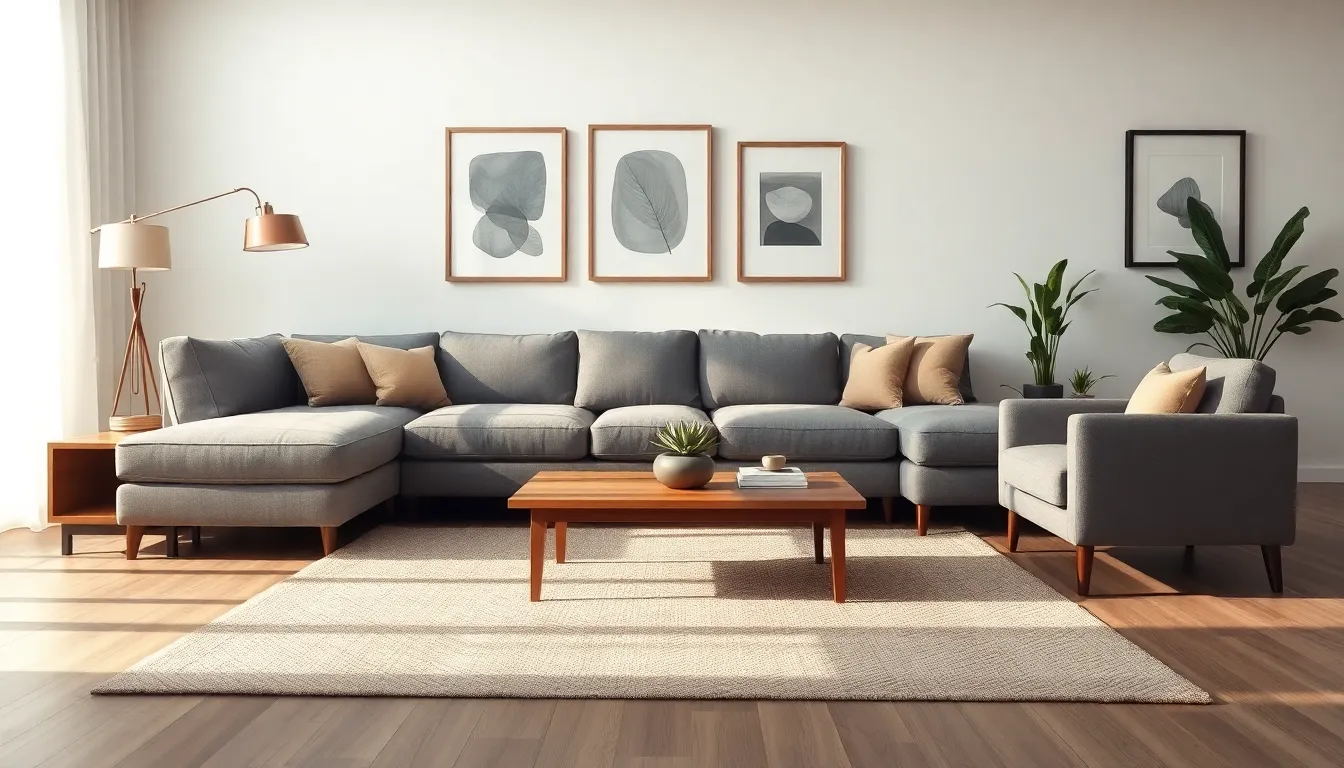
Consider a living room with only furniture: a sofa, two chairs, a coffee table, and a TV stand. Functional? Yes. Inviting? Not particularly. Now add furnishings: a plush area rug, textured throw pillows, a cozy blanket draped over the armchair, table lamps with warm light, artwork on the walls, and a few potted plants. The same furniture suddenly feels like home.
This furniture vs. furnishings relationship works both ways. Furnishings without proper furniture creates a space that looks decorated but doesn’t function well. All the pretty pillows in the world won’t help if there’s no comfortable sofa to put them on.
Tips for balancing furniture and furnishings:
- Start with furniture – Establish the functional pieces first, then layer in furnishings
- Budget accordingly – Invest more in quality furniture since it lasts longer: furnishings can be updated affordably
- Consider scale – Furnishings should complement furniture proportions, not overwhelm or underwhelm
- Build in stages – Buy essential furniture first, then add furnishings over time as budget allows
The best interiors strike a balance. Too much furniture makes a room feel cluttered and cramped. Too many furnishings with inadequate furniture creates visual chaos without real comfort. The goal is a space that works well and looks great.