

Table of Contents
ToggleSmart landlord tips can mean the difference between a profitable rental property and a constant headache. Managing tenants, maintaining properties, and staying legally compliant takes real effort, but it doesn’t have to feel overwhelming.
Whether someone owns one rental unit or ten, the fundamentals stay the same. Successful landlords screen tenants carefully, draft solid lease agreements, keep properties in good shape, communicate clearly, and follow the law. These aren’t just nice ideas. They’re the foundation of a rental business that actually works.
This guide breaks down the most important landlord tips every property owner should know. Each section covers practical strategies that reduce stress, protect investments, and build better relationships with tenants.
Key Takeaways
- Thorough tenant screening—including credit checks, income verification, and landlord references—is one of the most valuable landlord tips for avoiding costly problems.
- A clear, state-specific lease agreement protects both parties by setting expectations for rent, deposits, maintenance, and property rules.
- Proactive property maintenance prevents expensive emergency repairs; budget around 1% of your property’s value annually for upkeep.
- Responsive, documented communication with tenants builds trust and provides legal protection if disputes arise.
- Understanding fair housing laws, security deposit rules, and eviction procedures is essential—legal mistakes can cost landlords significantly more than attorney fees.
Screen Tenants Thoroughly Before Signing a Lease
Tenant screening is one of the most important landlord tips anyone can follow. A bad tenant can cost thousands in unpaid rent, property damage, and legal fees. A good tenant pays on time, respects the property, and stays for years.
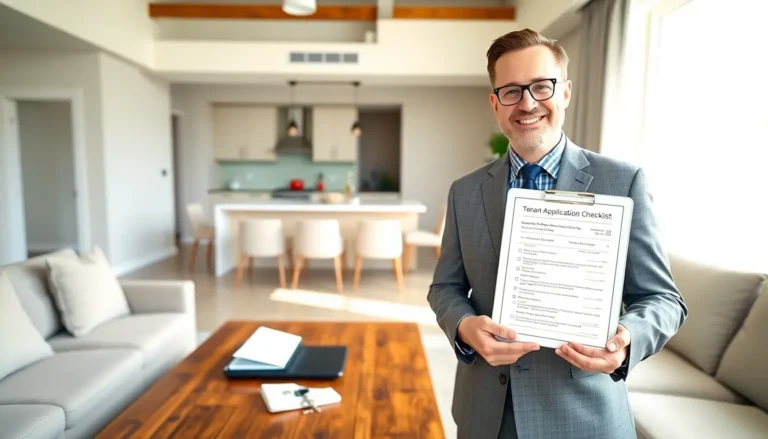
Start with a rental application. Ask for employment information, income verification, rental history, and references. Most landlords require income that’s at least three times the monthly rent. This isn’t arbitrary, it’s a practical way to ensure tenants can afford the space.
Run a credit check. A credit report shows payment history, outstanding debts, and any previous evictions. Someone with a 750 credit score handles money differently than someone with a 520. That matters when rent is due.
Contact previous landlords directly. Ask specific questions: Did the tenant pay rent on time? Did they leave the property in good condition? Would you rent to them again? These conversations reveal patterns that applications don’t show.
Background checks are also standard practice. Many landlords check for criminal history, though local laws may limit what can be considered. Always follow fair housing guidelines, discrimination based on race, religion, national origin, sex, familial status, or disability is illegal.
Yes, thorough screening takes time. But spending an extra hour upfront can save months of problems later.
Create a Clear and Comprehensive Lease Agreement
A solid lease agreement protects both landlords and tenants. It sets expectations, defines responsibilities, and provides legal protection if disputes arise. This is one of those landlord tips that seems obvious but gets overlooked constantly.
Every lease should include the basics: names of all tenants, property address, lease term, rent amount, due date, and accepted payment methods. Specify late fees and grace periods. If rent is due on the first and late after the fifth, put it in writing.
Address security deposits clearly. State laws vary widely on deposit limits and return timelines. In California, landlords must return deposits within 21 days. In Texas, it’s 30 days. Know the rules for each property’s location.
Include policies on pets, smoking, guests, and subletting. If pets aren’t allowed, say so. If they are, specify any breed restrictions, weight limits, or additional deposits. Vague language creates arguments later.
Outline maintenance responsibilities. Who handles lawn care? What about minor repairs? Tenants typically cover small issues like replacing light bulbs, while landlords handle major systems like plumbing and HVAC.
Don’t use generic templates without review. State and local laws vary, and a lease that works in Florida might violate regulations in New York. Have an attorney review the document, or at least use state-specific forms from reputable sources.
Stay on Top of Property Maintenance
Property maintenance isn’t glamorous, but it’s essential. Well-maintained properties attract better tenants, command higher rents, and avoid expensive emergency repairs. These landlord tips focus on prevention rather than reaction.
Schedule regular inspections. Most landlords inspect properties annually or semi-annually, with proper notice to tenants. Look for water damage, pest issues, HVAC problems, and general wear. Catching a small roof leak early costs far less than replacing water-damaged ceilings and floors.
Respond to repair requests quickly. When a tenant reports a broken heater in January, that’s an emergency. When they mention a dripping faucet, address it within a reasonable timeframe. Fast responses build trust and prevent small problems from becoming big ones.
Build a network of reliable contractors. Every landlord needs a good plumber, electrician, handyman, and HVAC technician on speed dial. Getting three quotes for every minor repair wastes time. Having trusted professionals who show up when called is worth a lot.
Budget for maintenance costs. A common rule suggests setting aside 1% of the property’s value annually for repairs and upkeep. A $300,000 property would need roughly $3,000 per year in maintenance funds. Some years will cost less, others more, but the average holds.
Don’t neglect curb appeal either. A mowed lawn, trimmed bushes, and clean exterior signal that someone cares about the property. That attracts quality tenants and maintains neighborhood standards.
Communicate Effectively With Your Tenants
Good communication prevents most landlord-tenant conflicts. This is one of those landlord tips that costs nothing but delivers tremendous value.
Set expectations early. During move-in, explain how to submit maintenance requests, when rent is due, and how to reach you in emergencies. Tenants who know the process follow it.
Be responsive. Answering emails and texts within 24 hours shows professionalism. Tenants who feel ignored become frustrated, and frustrated tenants cause problems. A quick reply, even just acknowledging receipt, goes a long way.
Document everything. When a tenant requests repairs, confirm the details in writing. When rent is late, send a written notice. When lease violations occur, document them formally. Paper trails matter if disputes reach court.
Stay professional, even during disagreements. Some tenants will complain about unreasonable things. Some will push boundaries. Responding with anger escalates situations. Responding with facts and calm professionalism resolves them.
Provide advance notice for any property access. Most states require 24 to 48 hours notice before entering a rental unit, except in emergencies. Respecting tenant privacy builds mutual respect.
Consider periodic check-ins. A simple message asking if everything is working properly shows tenants they’re valued. It also surfaces small issues before they become serious complaints.
Understand Your Legal Obligations as a Landlord
Ignorance of the law is expensive. Landlord tips about legal compliance aren’t exciting, but they’re non-negotiable.
Fair housing laws apply everywhere. The Fair Housing Act prohibits discrimination based on race, color, religion, national origin, sex, familial status, and disability. Many states add protections for sexual orientation, gender identity, and source of income. Violations carry serious penalties.
Security deposit laws vary by state. Some cap deposits at one month’s rent, others at two months. Return timelines range from 14 to 60 days depending on location. Failing to follow these rules can result in owing tenants double or triple the deposit amount.
Eviction procedures are strictly regulated. Landlords cannot simply change locks or remove tenant belongings. The formal eviction process requires proper notice, court filings, and judicial approval. Shortcuts lead to lawsuits.
Habitability standards require landlords to provide safe, livable housing. This means working plumbing, heating, electricity, and structural integrity. Tenants in uninhabitable conditions may have legal remedies including rent withholding or lease termination.
Local regulations add another layer. Some cities have rent control, just-cause eviction requirements, or registration mandates for rental properties. Check city and county rules, not just state law.
When in doubt, consult a real estate attorney. Legal advice costs money upfront but prevents far more expensive mistakes.