
Table of Contents
ToggleDesign & decor shapes how people experience their homes. These two terms often appear together, but they serve different purposes. Design focuses on structure, layout, and function. Decor adds personality through colors, textures, and accessories. Together, they create spaces that feel both practical and inviting.
This guide explains what design & decor means, how each element works, and how homeowners can apply these principles. Whether someone plans a full renovation or a simple refresh, understanding these concepts makes the process easier and the results more satisfying.
Key Takeaways
- Design & decor serve different purposes: design focuses on structure, layout, and function, while decor adds personality through colors, textures, and accessories.
- A well-balanced space requires both solid design foundations and thoughtful decorative elements—one without the other feels incomplete.
- The five core principles of interior design are space, layout and traffic flow, lighting, proportion and scale, and balance.
- Color palettes, textures, artwork, and accessories are essential decor components that transform functional spaces into personalized homes.
- Start your design & decor project by assessing the space, defining its purpose, and planning the layout before selecting decorative elements.
- Editing ruthlessly is crucial—removing clutter often improves a space more than adding new items.
Understanding the Difference Between Design and Decor
Many people use “design” and “decor” interchangeably, but they represent distinct aspects of creating a space.
Interior design involves planning the layout, structure, and function of a room. Designers consider how people move through a space, where natural light falls, and how furniture placement affects daily activities. Design often requires knowledge of building codes, spatial planning, and sometimes architectural changes. It answers questions like: Where should the sofa go? Does this room need better lighting? How can the kitchen flow more efficiently?
Home decor focuses on the visual and sensory elements that make a space feel complete. Decor includes paint colors, artwork, throw pillows, rugs, curtains, and decorative objects. It’s the layer that adds character and reflects personal style.
Think of design & decor this way: design builds the foundation, and decor adds the finishing touches. A well-designed room with poor decor feels cold and uninviting. A beautifully decorated room with bad design feels frustrating to use. The best spaces balance both.
Key Elements of Interior Design
Interior design relies on several core principles that professionals use to create functional, attractive spaces.
Space
Space is the foundation of any design project. Designers work with positive space (areas filled with furniture and objects) and negative space (empty areas). The balance between these determines whether a room feels cramped or airy. A common mistake is filling every corner, sometimes breathing room matters more than another chair.
Layout and Traffic Flow
Good design considers how people move through a room. Pathways should remain clear, and furniture placement should support natural movement patterns. In a living room, this might mean positioning seating to encourage conversation while keeping walkways open.
Lighting
Lighting affects mood, function, and visual appeal. Design & decor professionals typically layer three types: ambient lighting (general illumination), task lighting (focused light for activities like reading), and accent lighting (decorative highlights). Natural light also plays a major role in how colors and textures appear throughout the day.
Proportion and Scale
Furniture and objects should relate appropriately to the room’s size and to each other. A massive sectional overwhelms a small apartment. A tiny coffee table looks lost in a spacious family room. Getting scale right creates visual harmony.
Balance
Balance creates stability in a room’s appearance. Symmetrical balance places matching elements on either side of a central point. Asymmetrical balance uses different objects of similar visual weight. Both approaches work, the choice depends on personal preference and the room’s purpose.
Essential Components of Home Decor
While design handles structure, decor brings personality. These elements transform a functional space into a home that reflects its inhabitants.
Color Palette
Color influences mood more than almost any other decor choice. Cool tones like blues and greens promote calm. Warm colors like reds and oranges add energy. Neutral palettes offer flexibility and timelessness. Most successful color schemes include a dominant color, a secondary color, and accent tones.
Textures and Fabrics
Texture adds depth and interest to any room. Smooth surfaces feel modern and sleek. Rough textures like woven baskets or chunky knits create warmth. Mixing textures, velvet pillows on a leather sofa, a shag rug on hardwood floors, keeps spaces visually engaging.
Artwork and Wall Decor
Blank walls feel unfinished. Art, mirrors, photographs, and wall hangings add focal points and personal meaning. The key is choosing pieces that resonate rather than following trends blindly.
Accessories and Finishing Touches
Throw pillows, candles, plants, books, and decorative objects complete a room’s look. These items offer the easiest way to update a space seasonally or reflect changing tastes. In the design & decor process, accessories often receive the least attention but make the biggest immediate impact.
How Design and Decor Work Together
The relationship between design & decor resembles the relationship between a building’s architecture and its interior finishes. One creates the structure: the other brings it to life.
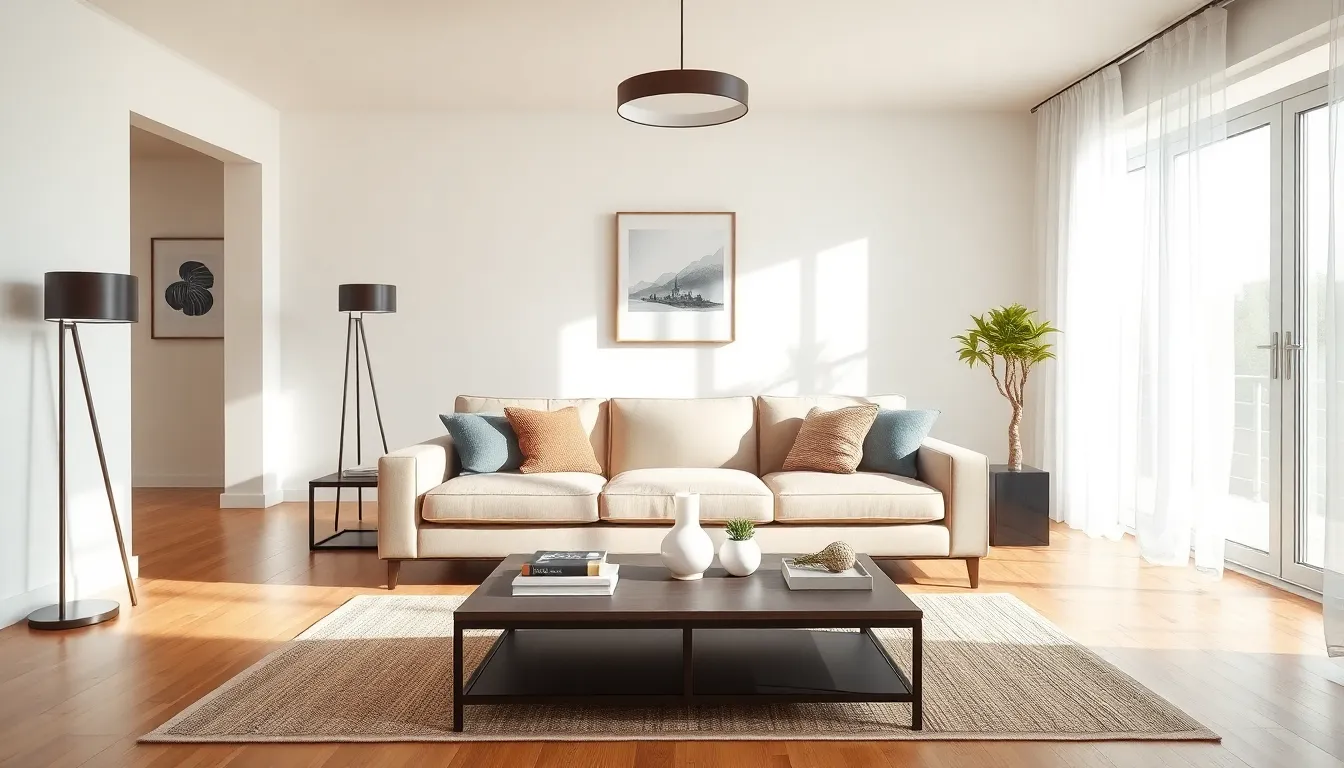
Consider a living room example. The design phase determines furniture placement, lighting fixtures, and window treatments that control natural light. The decor phase selects the sofa’s fabric, the color of those curtains, the artwork above the fireplace, and the accessories on the coffee table.
When design & decor align, spaces feel intentional and cohesive. Colors relate to one another. Furniture suits the room’s proportions. Decorative elements support rather than fight the overall layout.
Conflicts arise when people skip the design phase. Someone might buy a beautiful rug that’s too small for their space, or choose a statement lamp that blocks sightlines. Starting with solid design decisions makes decor choices easier and more successful.
Professionals in design & decor often recommend establishing the “bones” of a room first, layout, major furniture pieces, and lighting, before selecting colors, patterns, and accessories.
Getting Started With Your Own Space
Applying design & decor principles doesn’t require professional help, though experts certainly make the process smoother. Here’s a practical approach for DIY enthusiasts.
Assess the current space. Take photos and note what works and what frustrates. Does furniture placement create awkward traffic patterns? Does the lighting suit the room’s activities? Identifying problems clarifies priorities.
Define the purpose. Every room needs a clear function. A guest bedroom that doubles as a home office requires different design & decor decisions than a dedicated retreat for visitors. Knowing how a space will be used guides every subsequent choice.
Create a mood board. Collect images, fabric swatches, paint chips, and inspiration that appeal. Patterns will emerge, perhaps a preference for clean lines, natural materials, or bold colors. This visual reference keeps decisions consistent.
Start with layout. Before buying anything decorative, plan the furniture arrangement. Use painter’s tape on the floor to visualize sizes. Ensure traffic flows comfortably and key pieces relate well to each other.
Build in layers. Address design elements first (furniture, lighting, major textiles like rugs and curtains), then add decor (artwork, accessories, plants). This order prevents costly mistakes and ensures each layer supports the previous one.
Edit ruthlessly. Good design & decor often involves removing items. Clutter undermines even the best intentions. If something doesn’t contribute to function or beauty, it might need to go.