
Table of Contents
ToggleWrought iron patio furniture from the 1970s is staging a comeback, and for good reason. These pieces combine the durability of mid-century metalwork with the ornate scrollwork and geometric patterns that defined outdoor living in that era. Unlike modern powder-coated aluminum sets, 1970s wrought iron furniture was built heavy, forged to last decades, and designed with a level of detail that’s hard to find in today’s mass-produced outdoor furniture. Restoring and incorporating these vintage pieces into a contemporary patio or garden isn’t just about nostalgia, it’s a practical way to add character and craftsmanship to outdoor spaces while working with materials that have already proven their longevity.
Key Takeaways
- 1970s wrought iron patio furniture combines heavy-gauge metal construction, hand-forged details, and geometric design that outperforms modern mass-produced alternatives in durability and craftsmanship.
- Authentic vintage pieces feature welded joints, substantial weight (40–60 pounds per chair), and identifiable manufacturer stamps—differentiating them from lightweight reproductions and 1980s knock-offs.
- Estate sales, architectural salvage yards, and regional flea markets in the Sunbelt are the most cost-effective sources for finding genuine 1970s wrought iron furniture.
- Restoration involves four key steps—stripping old finish, removing rust with phosphoric acid, applying rust-inhibiting primer, and finishing with quality enamel—making it a manageable DIY weekend project.
- Pair restored wrought iron with contemporary elements like live-edge wood, neutral textiles, and modern accessories to style vintage pieces in modern outdoor spaces without creating a dated aesthetic.
- Annual inspections, prompt touch-ups, gentle cleaning with mild soap, and breathable furniture covers will preserve your vintage wrought iron furniture for decades of continued use.
What Makes 1970’s Wrought Iron Furniture Special?
1970s wrought iron furniture stands apart from both earlier and later production runs. The decade saw a shift from the delicate Victorian-revival styles of the 1950s and 60s toward bolder, more geometric designs influenced by Spanish and Mediterranean aesthetics. Manufacturers like Woodard, Salterini, and smaller regional foundries produced chairs, tables, and chaise lounges with thicker stock, heavier gauge metal, and more structural integrity than the thin-tubed sets that flooded the market in the 1980s and 90s.
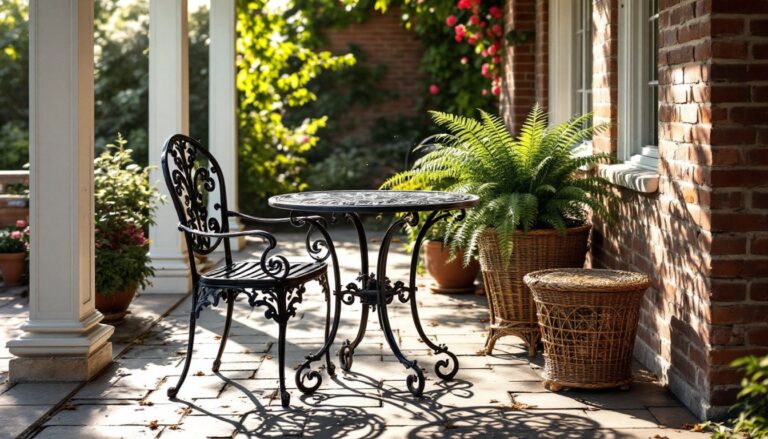
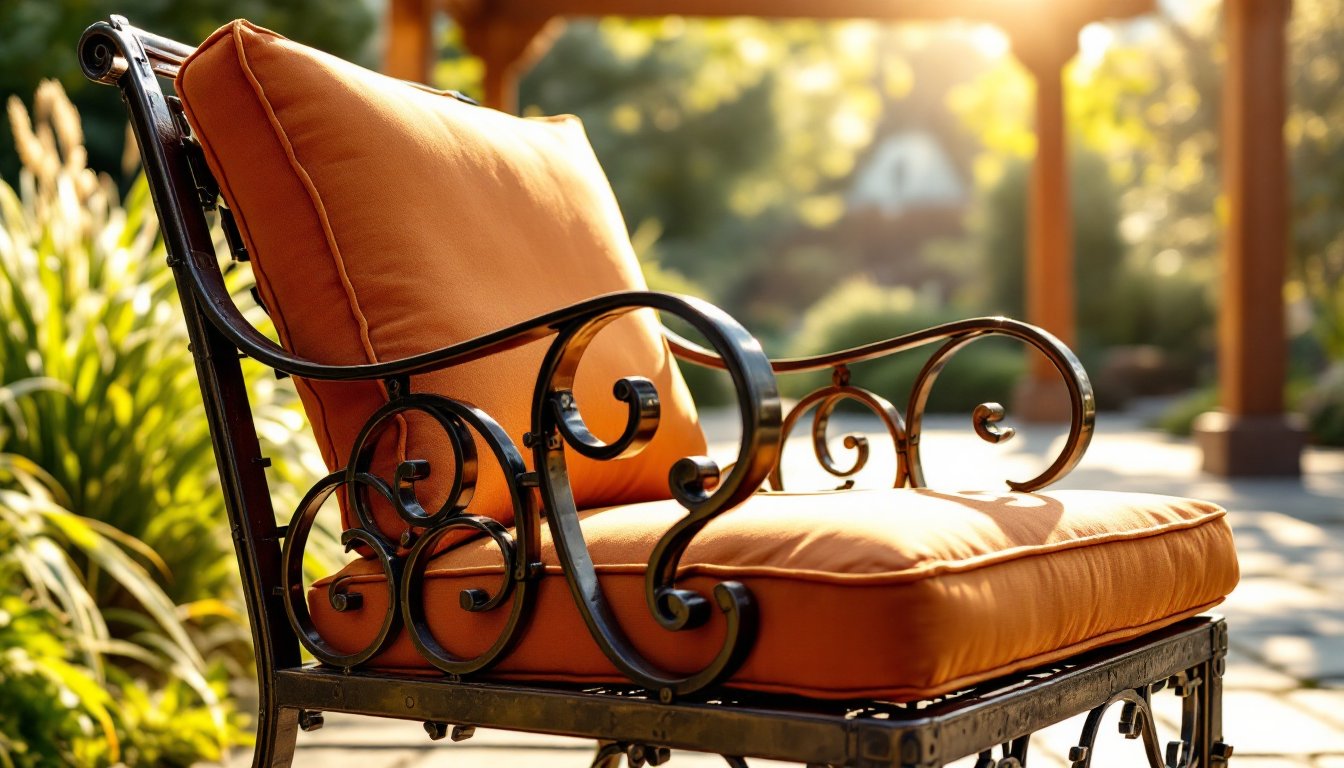
The wrought iron itself, technically mild steel that’s been shaped and welded rather than cast, was often 3/8-inch to 1/2-inch round or square bar stock, giving pieces substantial heft. Many sets feature handcrafted details: hammered textures, riveted joints, and hand-bent scrollwork. The finishes were typically baked enamel or oil-rubbed coatings in dark bronze, black, or occasionally white, applied over a rust-inhibiting primer.
Another hallmark: modular design. 1970s sets often included mix-and-match components, swivel rockers, gliders, ottomans, and sectional seating, that allowed homeowners to configure their patios in ways that pre-fab sets today don’t accommodate. That flexibility, combined with the simple fact that these pieces weigh 40–60 pounds per chair, means they’ve survived moves, weather, and decades of use.
How to Identify Authentic 1970’s Wrought Iron Pieces
Authenticating 1970s wrought iron furniture requires looking beyond the patina. Start by checking for manufacturer stamps or labels, typically found on the underside of seats or table aprons. Woodard pieces often have a metal tag riveted to the frame: Salterini used cast logos. If the label is missing, examine the construction methods.
Look for welded joints rather than bolted connections. Quality 1970s pieces used full-penetration welds, ground smooth and finished. Cheaper reproductions or later imports rely on bolt-together construction with visible hardware. Check the metal gauge: authentic wrought iron from this era won’t flex or rattle when you lift it. If a chair feels light, it’s likely thin-walled tubing, not solid bar stock.
Inspect the scrollwork and decorative elements. Hand-forged details show slight irregularities, no two scrolls are perfectly identical. Machine-stamped or cast components (common in 1980s knock-offs) have uniform, repetitive patterns. The joinery on armrests and seat backs should show evidence of hand-finishing: file marks, slight asymmetry, or variations in weld bead appearance.
Finally, examine the finish layers. Original 1970s pieces often have multiple coats of enamel over a red or gray primer. If you see rust through a chip, the primer color can be a clue. Modern powder coating, which became standard in the 1990s, has a different texture, thicker, more plasticky, and doesn’t show the same hairline crackling that aged baked enamel develops.
Where to Find Vintage 1970’s Wrought Iron Patio Furniture
Estate sales and auctions remain the most reliable sources for authentic 1970s wrought iron. These pieces are heavy and difficult to ship, so they often stay regional. Check local estate sale listings, especially in areas with older homes built during the 1960s–80s patio boom: the Southwest, Florida, Southern California, and anywhere influenced by Southern home design traditions.
Architectural salvage yards sometimes stock outdoor furniture alongside building materials. Yards that specialize in mid-century or vintage garden elements are worth calling ahead, wrought iron sets don’t always make it to the showroom floor due to storage constraints.
Online marketplaces like Craigslist, Facebook Marketplace, and estate sale aggregators (EstateSales.net) work well for local pickups. Avoid paying for shipping unless the set is exceptional: freight costs for a four-piece set can easily exceed $300. When browsing listings, search terms like “vintage patio set,” “wrought iron scrollwork,” and specific brand names yield better results than generic “outdoor furniture.”
Flea markets and antique malls in the Sunbelt states often have vendors specializing in vintage outdoor goods. Prices vary wildly, anywhere from $50 for a single rusty chair to $800+ for a restored dining set. Negotiation is standard, especially if the pieces need work.
Restoring and Refinishing Your 1970’s Wrought Iron Finds
Restoration starts with assessing the rust damage. Surface rust, orange discoloration without pitting, is cosmetic. Structural rust, where the metal has thinned or developed holes, requires welding repairs or replacement components. If you’re seeing through-rust on load-bearing joints or seat frames, consult a welder before proceeding.
Step 1: Strip the old finish. Use a wire brush attachment on an angle grinder or a drill-mounted wire wheel for large areas. Work outdoors or in a well-ventilated shop: wear safety goggles, a dust mask, and gloves. For intricate scrollwork, a smaller hand wire brush or chemical stripper (like Citristrip) works better than power tools. If using chemical stripper, follow the manufacturer’s dwell time, usually 15–30 minutes, then scrape with a plastic putty knife.
Step 2: Remove all rust. After stripping paint, treat rust with naval jelly or a phosphoric acid-based rust converter. Apply, let it work for 10–20 minutes, then scrub with a wire brush and rinse thoroughly. For stubborn rust in crevices, use a Dremel with a wire wheel bit. The goal is to reach clean, gray metal. Any remaining rust will bleed through the new finish.
Step 3: Prime. Apply a rust-inhibiting metal primer like Rust-Oleum Clean Metal Primer or a DTM (direct-to-metal) product. Use a brush for detail areas and a roller or spray can for flat surfaces. Two thin coats are better than one thick coat, let each dry per the label, usually 1–2 hours.
Step 4: Topcoat. For outdoor durability, use an oil-based enamel or a high-quality spray enamel rated for metal. Rust-Oleum Protective Enamel or Krylon COLORmaxx both hold up well. Apply 2–3 light coats, allowing 2 hours between coats. If brush-painting, work in sections and feather edges to avoid lap marks.
Cushion replacement: Most 1970s sets used 2-inch foam cushions with zippered vinyl or canvas covers. Modern outdoor fabric like Sunbrella is a better choice, it’s UV- and mildew-resistant. Cut new foam to fit using an electric carving knife or have a local upholstery shop cut it. Sew new covers or use a service: many online retailers offer custom cushion fabrication based on templates.
Styling Vintage Wrought Iron in Modern Outdoor Spaces
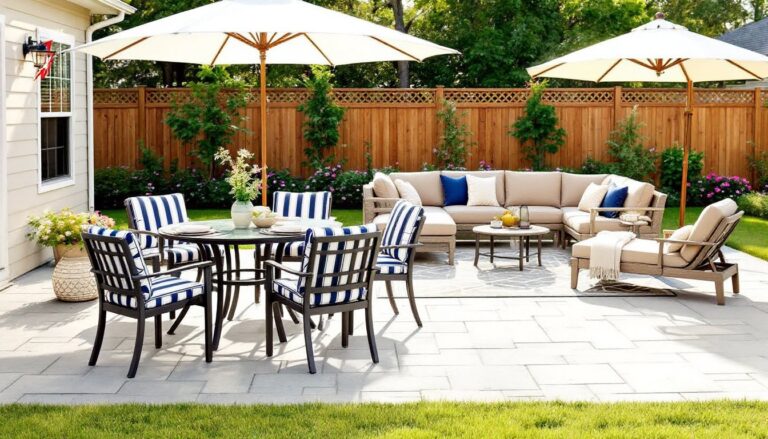
Vintage wrought iron doesn’t have to look like a time capsule. Mixing these sturdy, dark-framed pieces with contemporary elements creates contrast and depth. Pair a restored 1970s dining set with a live-edge wood table or a concrete-top table to balance the ornate metalwork with clean, modern lines.
Layer in textiles for softness: outdoor rugs in geometric or neutral patterns anchor the space, while throw pillows in current colors (terracotta, sage, charcoal) update the look without fighting the vintage vibe. Consider ideas from Western living design guides, which often blend rustic and contemporary outdoor aesthetics.
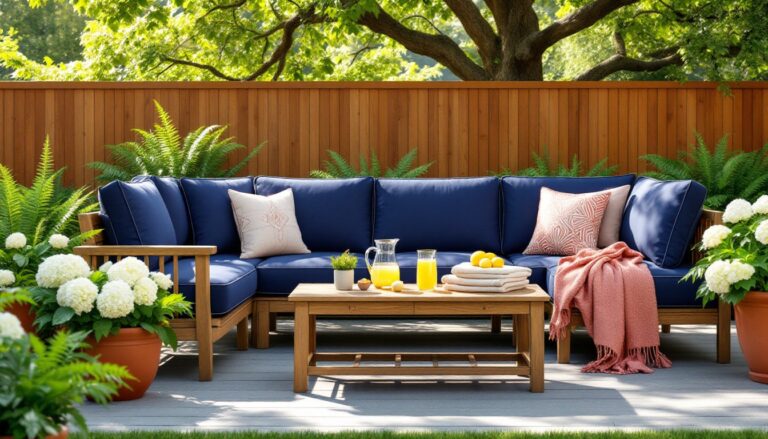
For patios with limited square footage, use wrought iron pieces as accent seating rather than a full set. A single vintage rocker or pair of side chairs flanking a modern sectional adds character without overwhelming the space. Wrought iron’s visual weight works best when balanced by lighter materials, wicker, rattan, or slatted wood.
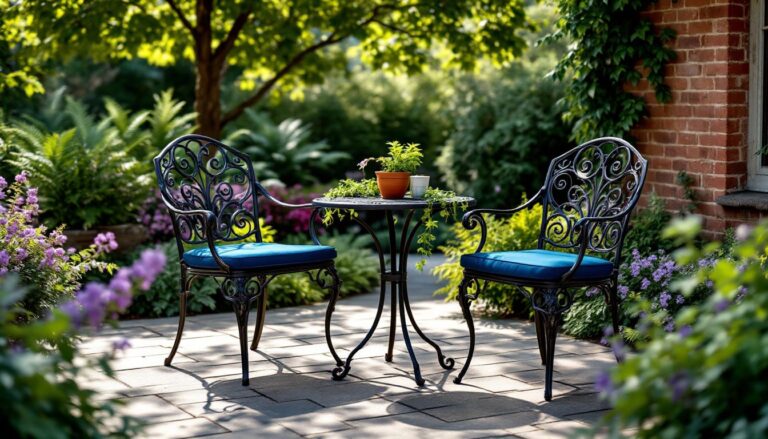
Incorporate vintage wrought iron into garden vignettes: a bistro set under a pergola, a bench near a water feature in aged bronze, or a chaise on a gravel patio surrounded by ornamental grasses. The key is intentionality, these pieces command attention, so give them room to breathe rather than crowding them with too many competing elements.
Maintenance Tips to Keep Your Vintage Pieces Looking Great
Once restored, 1970s wrought iron furniture requires consistent but minimal maintenance. The biggest enemy is moisture, which leads to rust. Store cushions indoors or in a waterproof deck box when not in use. If leaving furniture outside year-round, invest in breathable furniture covers, the kind with vents that prevent condensation buildup.
Inspect the finish annually, ideally in early spring. Look for chips, scratches, or areas where the topcoat has worn through. Touch up damaged spots immediately with primer and matching enamel. A small chip can turn into a rust pocket within a single season if ignored.
Clean the furniture 2–3 times per season with mild dish soap and water, using a soft brush to get into scrollwork. Rinse thoroughly and dry with a towel, don’t let it air-dry, as standing water accelerates corrosion. Avoid pressure washers: the high-pressure stream can strip paint and force water into joints.
If the furniture lives in a coastal or high-humidity environment, consider applying a coat of paste wax (like Johnson’s or Minwax) over the enamel once a year. Wax adds a sacrificial layer that sheds water and can be buffed out and reapplied as needed.
For pieces that see heavy use, re-coat them every 3–5 years. Sand lightly with 220-grit sandpaper to scuff the existing finish, wipe clean, and apply a fresh topcoat. This keeps the protective barrier intact and prevents the kind of deep rust that requires full restoration.
Conclusion
1970s wrought iron patio furniture offers a rare combination of durability, craftsmanship, and visual impact that’s difficult to replicate with new production pieces. With proper restoration and thoughtful styling, these vintage finds can anchor outdoor spaces for another few decades. The work required, stripping, priming, painting, isn’t complicated, but it does demand attention to prep and patience with drying times. For DIYers willing to invest a weekend and a few cans of quality enamel, the payoff is furniture that’s both functional and full of character.