
Table of Contents
ToggleBoca Raton’s year-round sunshine means your patio isn’t just seasonal space, it’s a functional extension of your home. But South Florida’s intense UV exposure, salt air, and afternoon thunderstorms will destroy cheap furniture in under two years. Choosing the right materials, understanding local climate demands, and knowing where to shop locally can mean the difference between replacing sets every few seasons and investing once in pieces that last a decade. This guide walks through what works in Boca’s coastal environment, what doesn’t, and how to keep your outdoor setup looking sharp even though the elements.
Key Takeaways
- Boca Raton’s intense UV exposure, salt air, and high humidity require durable patio furniture specifically designed for coastal climates to last a decade rather than two years.
- High-density polyethylene (HDPE) wicker with aluminum frames and solution-dyed acrylic fabrics like Sunbrella are the gold standards for patio furniture in Boca Raton’s environment.
- Match your patio furniture style to Boca’s dominant architectural trends—Mediterranean Revival, modern contemporary, and coastal transitional—ensuring your outdoor setup complements your home’s design.
- Local Boca Raton showrooms offer higher-end materials and expert climate knowledge, while online retailers provide the widest selection; choose based on your budget and ability to inspect quality in person.
- Monthly fresh-water cleaning, quarterly deep cleaning with vinegar solutions, and biannual joint inspections are essential maintenance practices to protect your patio furniture investment in South Florida’s harsh conditions.
Why Boca Raton’s Climate Demands Durable Patio Furniture
Boca Raton sits in USDA hardiness zone 10b, with average high temperatures above 80°F for nine months of the year. But heat isn’t the only challenge. The area receives 55–60 inches of rain annually, concentrated heavily between May and October. Humidity regularly tops 75%, and coastal locations deal with salt spray that corrodes unprotected metal and degrades wood finishes.
UV index ratings in Boca frequently hit 10+ during summer months, which breaks down plastics, fades fabrics, and cracks sealants. Furniture that works fine in Charlotte or Nashville won’t survive here without specialized construction and materials.
Anything placed outdoors in Boca needs to resist:
- Moisture penetration (leading to mold, mildew, and rot)
- Salt corrosion (especially within two miles of the coast)
- UV degradation (fading, brittleness, cracking)
- Heat retention (metal frames can hit 140°F+ in direct sun)
That’s why discount big-box sets with thin resin weave and steel frames often fail within 18–24 months here. The upfront savings disappear when you’re replacing cushions annually and repainting frames every season.
Best Materials for Patio Furniture in Boca Raton
All-Weather Wicker and Resin
High-density polyethylene (HDPE) wicker is the gold standard for Boca patios. Unlike natural rattan, HDPE is extruded from UV-stabilized resin that won’t crack, fade, or absorb moisture. Look for strands that are at least 1.2mm thick, thinner weaves sag and split under Florida sun.
Quality HDPE furniture uses aluminum frames underneath the weave, not steel. The weave should be hand-woven (woven around the frame joints), not glued. Glued connections fail in high humidity.
Solution-dyed acrylic fabrics like Sunbrella resist fading far better than polyester. They’re woven with color throughout the fiber, not surface-dyed, so UV exposure doesn’t bleach them. Expect 3–5 years of outdoor life before noticeable fading, compared to 12–18 months for standard outdoor polyester.
Cushion cores should be quick-dry foam, not standard polyurethane. Quick-dry foam has an open-cell structure that sheds water in hours instead of days, reducing mildew growth. Many outdoor furniture designs now incorporate drainage channels directly into cushion covers.
Aluminum and Powder-Coated Metals
Marine-grade aluminum (alloy 5052 or 6061) won’t rust and handles salt air without issue. It’s lightweight, which matters when you’re moving furniture during hurricane prep. The downside: aluminum conducts heat aggressively. Dark finishes can become too hot to touch by midday in July.
Powder coating adds a baked-on finish that’s more durable than liquid paint, but not all powder coats are equal. Look for AAMA 2604-compliant finishes (a standard for architectural aluminum). These formulations resist chalking and color shift for 10+ years in coastal UV.
Stainless steel (grade 304 or 316) is another solid choice, especially for modern or minimalist styles. Grade 316 contains molybdenum, which increases corrosion resistance in salt environments. It’s heavier and pricier than aluminum but virtually indestructible.
Avoid:
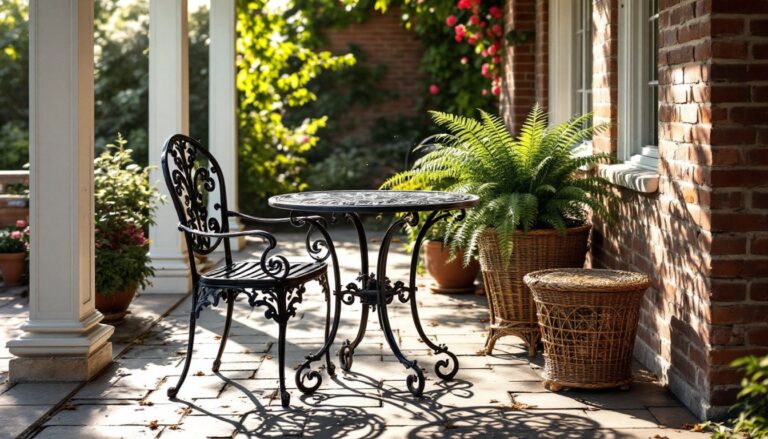
- Wrought iron (rusts rapidly even though paint)
- Mild steel with spray paint (peels within a year)
- Natural wood without proper sealing (teak is the only exception, and even that needs annual maintenance)
Top Styles to Complement Boca Raton Homes
Boca’s architecture leans heavily toward Mediterranean Revival, modern contemporary, and coastal transitional. Your patio furniture should echo those lines without looking like a showroom copy.
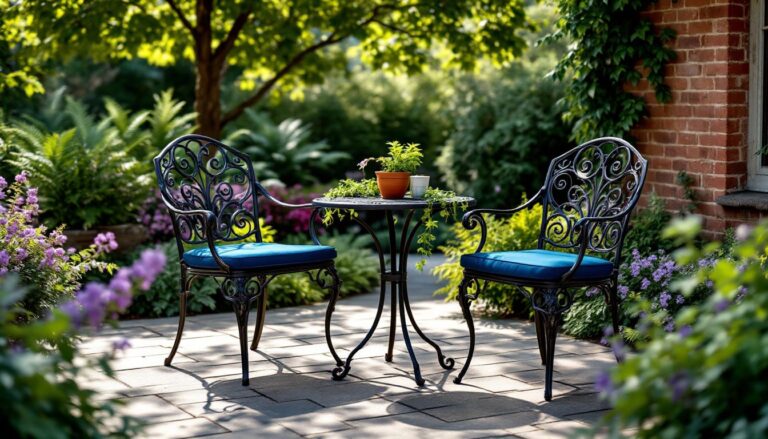
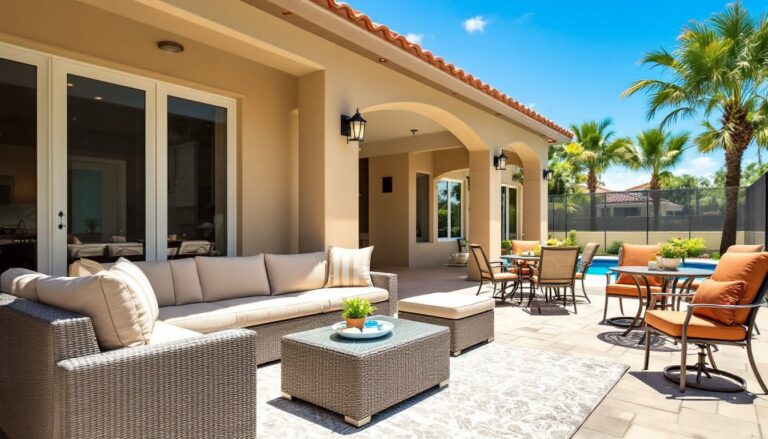
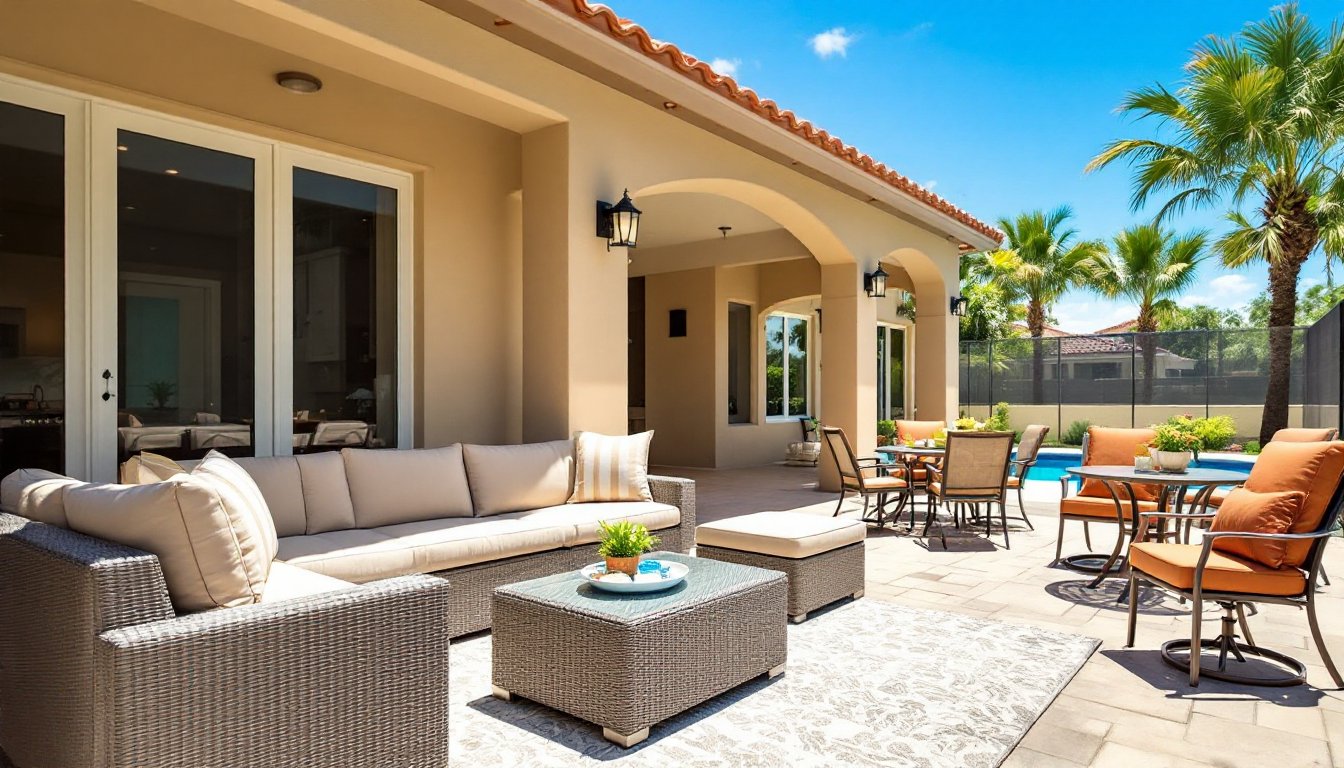
Mediterranean and Spanish Colonial homes pair well with wrought-look aluminum sets in oil-rubbed bronze or aged iron finishes. Curved arms, scrollwork, and mosaic tile-top tables fit the aesthetic. Choose cushions in terracotta, deep olive, or sand tones.
Modern and minimalist builds call for clean-lined aluminum or stainless steel frames with low-profile cushions. Modular sectionals work well here, they’re flexible for entertaining and easy to reconfigure. Neutral palettes (charcoal, white, taupe) keep the focus on architecture. Many homeowners in this style category are inspired by contemporary outdoor spaces that emphasize simplicity and durability.
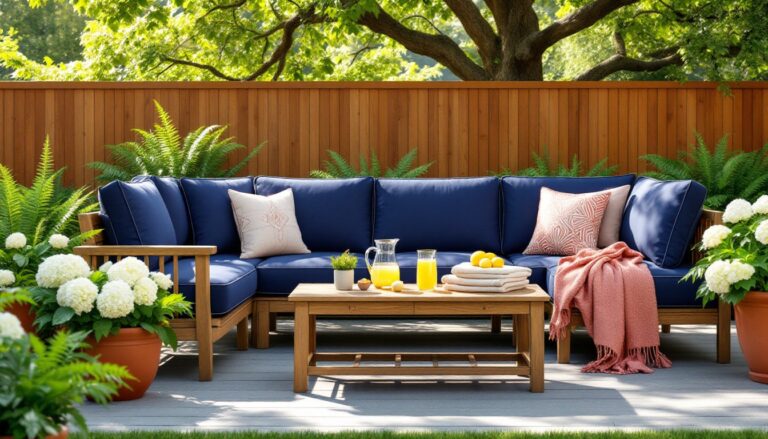
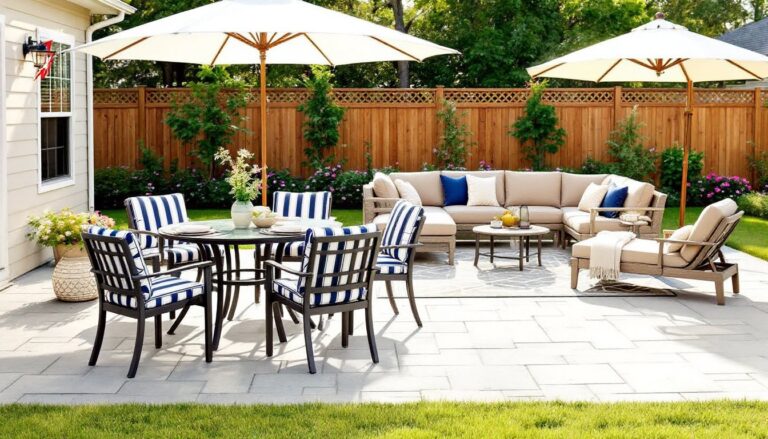
Coastal transitional (the most common style in Boca’s waterfront neighborhoods) blends natural textures with relaxed silhouettes. HDPE wicker in driftwood gray or whitewash, paired with linen-textured cushions in blues, whites, and sandy neutrals, nails this look. Teak accents, side tables, drink rails, add warmth without maintenance headaches if properly sealed.
Scale matters. Boca lots trend smaller than older Florida developments, so oversized sectionals can overwhelm a 12×16 patio. Measure your space and leave at least 30 inches of clearance around seating for walkways. If your patio backs up to a pool cage, remember the cage posts when planning furniture placement, you don’t want chair arms hitting aluminum supports.
Where to Buy Patio Furniture in Boca Raton
Boca has a strong mix of local showrooms, regional chains, and big-box options. Where you buy depends on budget, service expectations, and whether you need custom sizing.
Local showrooms (like those along Federal Highway and Glades Road) offer higher-end lines, Kingsley Bate, Brown Jordan, Tropitone. You’ll pay 20–40% more than online, but you get in-person fabric and finish selection, white-glove delivery, and often free annual cleaning or re-cushioning deals. These shops understand Boca’s climate and stock materials that hold up here.
Regional outdoor furniture chains balance selection and price. Staff generally know the difference between HDPE and PVC, and return policies are more generous than big-box stores. Many offer package deals (dining set + lounge set discounts) and will custom-order fabric combinations.
Big-box home improvement stores work if you know exactly what you’re looking for and can inspect quality yourself. Check weave thickness, frame construction (lift the piece, does it flex or feel solid?), and cushion core type. Don’t rely on staff for material advice: training is inconsistent. These stores often stock seasonal inventory only, so selection peaks March–June.
Online retailers offer the widest selection and lowest prices, but shipping costs for bulky furniture can erase savings. You also can’t inspect before buying. If ordering online, confirm the return policy covers freight returns and look for brands with service centers in South Florida (easier warranty claims).
Custom fabricators are worth considering if you have odd dimensions, want built-in seating, or need furniture that integrates with hardscape features. Expect to pay 50–100% more than retail, but you’ll get exactly what fits your space. Many Southern-style outdoor designs incorporate custom-built elements that suit regional climates.
Maintaining Your Patio Furniture in South Florida’s Heat and Humidity
Even the best materials need routine care in Boca’s environment. Skipping maintenance turns a 10-year investment into a 3-year loss.
Monthly cleaning: Hose down frames and wicker with fresh water to remove salt residue, pollen, and mildew spores. Use a soft brush and mild dish soap (Dawn works fine) for stubborn spots. Avoid pressure washers on wicker, high PSI can fray resin strands.
Quarterly deep cleaning: Remove cushions and wash covers per manufacturer instructions (usually machine wash cold, air dry). Spray cushion cores with a 50/50 mix of white vinegar and water, then rinse and let dry fully in the sun. This kills mildew and prevents musty odors.
Inspect aluminum welds and joints twice a year. Coastal salt can cause pitting even on quality aluminum. Touch up any compromised powder coating immediately with a matching touch-up pen (most manufacturers provide these). Exposed aluminum oxidizes quickly in salt air.
Fabric protection: Reapply fabric protector (303 Fabric Guard or similar) every 6–12 months. Solution-dyed fabrics resist stains, but protector helps moisture bead off instead of soaking in.
Hurricane prep: Boca sits in a high-risk zone. When a storm threatens, store lightweight furniture in the garage or strap it down with hurricane anchors. Flying patio chairs become projectiles in 80+ mph winds. Don’t assume a pool cage will protect furniture, cages often fail in major storms.
Winter storage: Boca doesn’t freeze, so winter storage isn’t mandatory. But if you’re seasonal residents, covering furniture with breathable (not plastic) covers prevents UV damage and reduces cleaning when you return. Elevate cushions on pallets or shelving to keep them off garage floors where humidity condenses.
PPE for maintenance: Wear nitrile gloves when handling mildew or using vinegar solutions. If you’re touching up powder coating, use a dust mask, sanding releases fine particles.