
Table of Contents
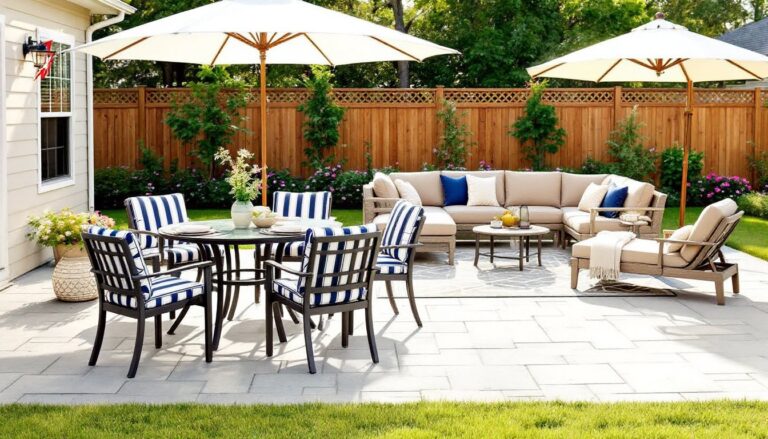
ToggleFinding comfortable outdoor seating is about more than aesthetics. A patio should be an extension of indoor living space, a place where someone can settle in for hours without shifting, adjusting, or counting down the minutes until they retreat indoors. The right furniture makes the difference between a patio that looks good in photos and one that actually gets used daily. This guide walks through what separates genuinely comfortable patio furniture from the merely decorative, covering frame construction, cushion specs, and materials that hold up to weather without sacrificing comfort.
Key Takeaways
- Most comfortable patio furniture combines proper seat depth (24–30 inches for lounging), back angle (105–110 degrees for relaxation), and high-density foam cushions (5–6 inches thick) to support extended use.
- Deep-seating sectionals and lounge chairs with adjustable mechanisms deliver maximum comfort, with weight capacity ratings of 250–300 lbs per seat and frames reinforced with crossbars or lattice bracing.
- Material selection significantly impacts durability and comfort: teak and eucalyptus frames offer natural flexibility, while powder-coated aluminum and resin wicker resist UV fade and corrosion without sacrificing comfort.
- Solution-dyed acrylic fabrics (like Sunbrella) and high-density polyurethane foam prevent fading and mold while maintaining firmness, with wrapped foam cores providing both plush surface comfort and structural support.
- Proper cushion construction with box-edge welted seams, heavy-duty YKK zippers, and four-corner ties prevents sagging and shifting, making cushion-equipped patio furniture more durable and comfortable long-term.
- Store cushions indoors during winter or turn them weekly if left outside to prevent mildew in seams, and align frame choice with local climate demands—coastal areas need corrosion resistance while desert climates prioritize UV stability.
What Makes Patio Furniture Truly Comfortable?
Comfort starts with seat depth and height. Most standard outdoor chairs have a seat depth of 18–20 inches, which works for upright dining. For lounging, look for 24–30 inches of depth, enough to sit back fully without perching on the edge. Seat height should measure 16–18 inches from the ground, allowing feet to rest flat while knees bend at roughly 90 degrees.
Frame construction matters as much as cushioning. Aluminum frames are lightweight and rust-resistant, but they can flex under weight if the tubing is too thin. Look for 1.5–2mm wall thickness in aluminum construction. Powder-coated steel offers more rigidity and supports heavier cushions without sagging, though it requires intact coating to prevent corrosion. Teak and eucalyptus frames provide natural flex and are sturdy, but they need annual oiling in dry climates to prevent splitting.
Cushion thickness is where many shoppers go wrong. A 4-inch cushion is the minimum for reasonable comfort: 5–6 inches is ideal for furniture meant for extended use. High-density polyurethane foam (1.8–2.0 lb/ft³ density) retains shape better than standard foam and resists bottoming out. Wrapped foam cores, foam encased in a polyester fiber layer, add surface softness without sacrificing support.
Back angle affects how long someone can sit comfortably. Reclined backs at 105–110 degrees encourage relaxation, while upright angles around 90–100 degrees suit dining or conversation. Adjustable backs offer flexibility but add mechanical parts that can corrode or jam outdoors.
Top Picks: Most Comfortable Patio Furniture Styles
Deep-Seating Sofas and Sectionals
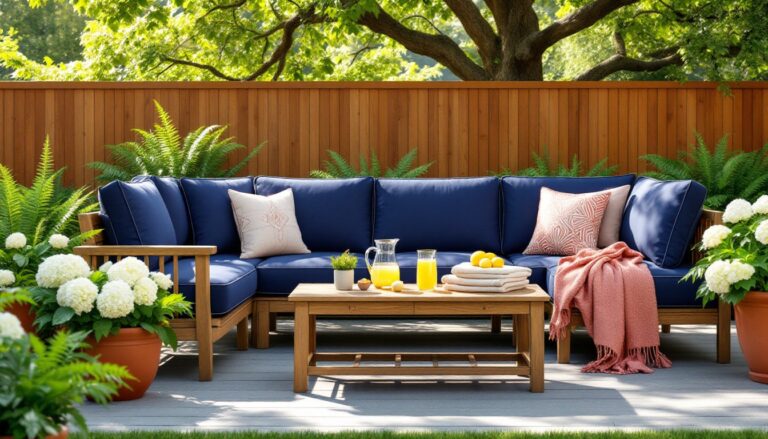
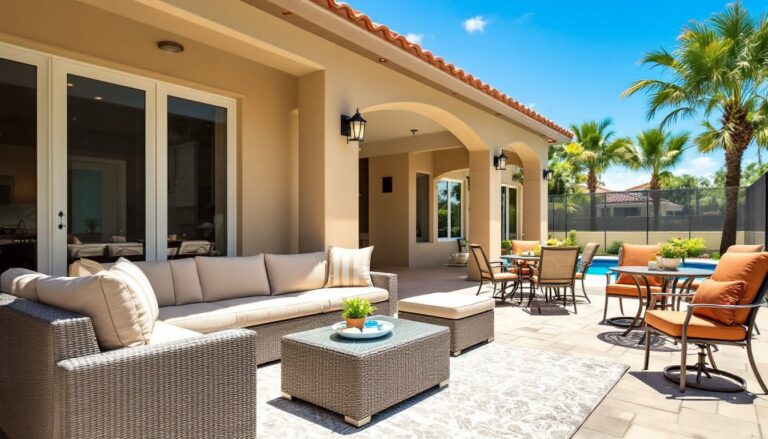
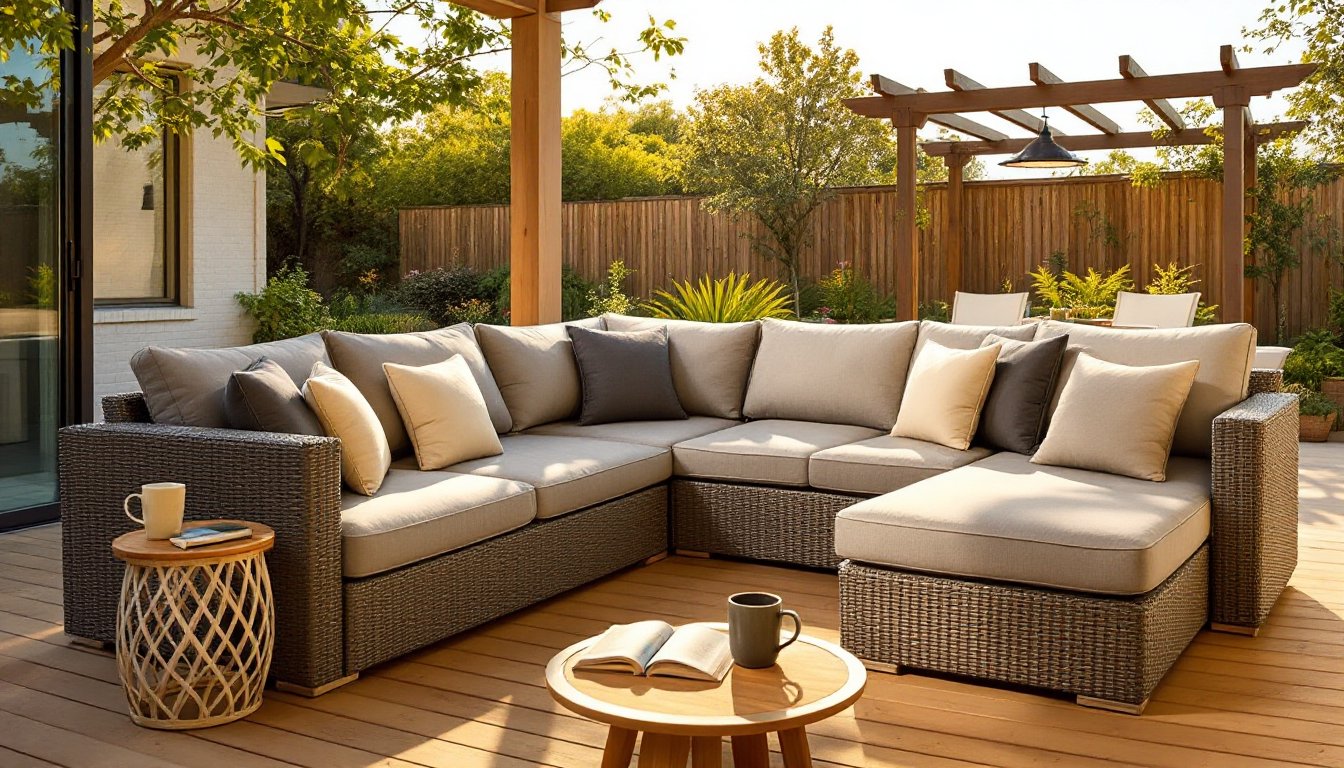
Deep-seating sectionals deliver the most comfort per square foot. These pieces typically feature 26–32 inch seat depth and low arms or no arms, allowing users to stretch out or curl up. Modular designs let homeowners configure layouts to fit odd-shaped patios or move sections for cleaning underneath.
Look for corner pieces with full cushioning, not hollow frames. Some budget models skimp on corner support, creating a dead zone where cushions sag. A well-built corner should have the same foam density and frame reinforcement as straight sections.
Wicker (resin wicker or PE rattan) is the most common material for deep-seating sets. High-density polyethylene (HDPE) wicker resists UV fade and won’t unravel, but check the weave tightness, loose weaves stretch and gap over time. Hand-woven is ideal: machine-woven works if the strands are heat-fused at crossings.
Weight capacity on sectionals should hit 250–300 lbs per seat. Frames with crossbars or lattice bracing underneath distribute weight better than four-corner-leg designs. If a sectional will sit on a wood deck, use furniture pads or coasters to prevent pressure dents in decking boards.
Many homeowners find their outdoor sectionals rival indoor furniture when paired with quality cushions, making them a worthwhile investment for top furniture picks in any living space.
Cushioned Lounge Chairs and Daybeds
Lounge chairs with adjustable backs provide comfort for reading, napping, or sunbathing. Multi-position mechanisms (typically 4–7 angles) should lock positively, if you hear clicking without firm resistance, the mechanism will slip under load.
Chaise lounge dimensions vary widely. A 72–78 inch length accommodates most adults fully reclined. Narrower profiles (24–26 inches wide) save space but can feel confining: 28–32 inches is more comfortable for side-sleeping or shifting position.
Daybeds are essentially outdoor mattresses on frames, with cushions 6–8 inches thick and often modular back pillows. They’re ideal for covered patios or poolside areas. Drainage is critical, look for slatted bases or perforated platforms so water doesn’t pool under the cushion. Most daybeds include a canopy or pergola frame: these need to be anchored (lag bolts into decking or concrete anchors) to resist wind uplift.
Zero-gravity recliners use a pivot mechanism that elevates legs and reclines the back simultaneously, distributing weight evenly. They’re among the most comfortable patio furniture options for people with back issues, though they don’t work well on uneven surfaces like gravel or grass.
Materials That Maximize Outdoor Comfort
All-weather wicker (resin wicker) wraps aluminum or steel frames with synthetic polyethylene strands. It mimics natural rattan but won’t rot or splinter. Quality wicker furniture has UV-stabilized resin, without it, the material becomes brittle and cracks within two seasons. Run a hand over the weave: it should feel smooth, not sticky or rough.
Teak remains a top choice for outdoor furniture due to natural oils that repel water and resist insects. It weathers to a silver-gray patina unless treated with teak oil annually. Grade A teak (heartwood from the center of the tree) is denser and more rot-resistant than Grade B or C. Joints should be mortise-and-tenon or doweled, not just screwed, teak’s density can split under screw pressure near edges.
Powder-coated aluminum is lightweight, rust-proof, and available in hundreds of colors. The powder coating should be 50–80 microns thick for outdoor use: thinner coatings chip easily. Welded joints are stronger than bolted, though bolted frames are easier to repair or reconfigure.
Eucalyptus offers similar durability to teak at a lower price point. It’s slightly less dense, so it dents more easily, but it resists moisture well. Like teak, it needs annual sealing in arid climates.
Rope furniture, thick polyester or polypropylene cord wrapped around aluminum frames, has gained popularity for its comfort and contemporary look. The cord is weather-resistant and quick-drying, but color can fade in intense sun. Dark colors (charcoal, navy) hold up better than bright hues.
Several patio furniture experts emphasize that material choice should align with local climate, coastal areas demand corrosion resistance, while desert climates prioritize UV stability and minimal water absorption.
How to Choose the Right Cushions and Fabrics
Solution-dyed acrylic (such as Sunbrella) is the gold standard for outdoor cushion fabric. The pigment is added during fiber production, not applied as a topical dye, so color won’t fade or wash out. These fabrics resist mold, mildew, and UV degradation and can be cleaned with diluted bleach (1:10 bleach-to-water ratio) without discoloration.
Polyester blends cost less but fade faster, expect noticeable color shift after one season in full sun. They’re acceptable for covered patios or seasonal use.
Cushion fill type determines longevity and comfort. High-density foam (1.8 lb/ft³ or higher) retains shape and provides firm support. Quick-dry foam has an open-cell structure that allows water to drain through, ideal for uncovered furniture or poolside use. Standard foam will absorb water and take days to dry, leading to mold.
Wrapped foam, dense foam wrapped in polyester batting, offers a plush surface with firm core support. It’s a good middle ground between all-foam and down-alternative fills.
Cushion construction affects durability. Box-edge cushions with welted seams hold shape better than knife-edge styles. Zippers should be heavy-duty YKK #5 or larger and positioned on the back or bottom to reduce UV exposure. Some premium cushions use hook-and-loop closures instead, which are easier to open but can collect debris.
Cushion ties or elastic straps keep cushions from sliding or blowing away. Ties should attach at all four corners: single-point attachments allow rotation and shifting. For extra wind protection in exposed areas, consider cushion clips, plastic or metal brackets that clamp cushions to the frame.
Store cushions in a ventilated deck box or shed during winter. If left outdoors, even waterproof cushions develop mildew in the seams where moisture collects. In mild climates, turning cushions weekly and storing them upright during rain extends their life.
For design inspiration that balances function and aesthetics, many homeowners turn to resources like Gardenista to see how cushion choices integrate with broader outdoor living plans.
Conclusion
Comfortable patio furniture isn’t about following trends, it’s about understanding frame geometry, cushion specs, and material performance in the user’s specific climate. Seat depth, back angle, and cushion density have measurable impacts on comfort, and cutting corners on any of them leads to furniture that doesn’t get used. Invest in pieces built to last, with replaceable cushions and serviceable frames, and a patio becomes genuinely livable outdoor space.