
Table of Contents
ToggleFurnishing a teen’s bedroom is less about buying a matching set and more about solving real-world problems: where assignments actually happens, how to store clothes they’ll never hang up, and whether that bed frame can survive another growth spurt. Teens need functional spaces that adapt to changing tastes without requiring a full gut job every two years. This guide walks through the furniture decisions that matter, from choosing pieces that last through high school to balancing their Pinterest board with your budget and square footage. No fluff, just the practical breakdown.
Key Takeaways
- Teen bedroom furniture must balance durability and style by choosing solid wood or metal frames over particleboard, since teens are harder on furniture than younger children.
- Invest in a full or queen mattress and a sturdy desk early—these high-use pieces determine comfort and functionality far more than matching furniture sets.
- Teen bedroom furniture works best when neutral and modular, allowing teens to express personality through reversible elements like textiles and decor rather than permanent color choices.
- Essential storage solutions include deep dressers (16-18 inches), tall anchored bookshelves (12-16 inches deep), and multi-purpose units like platform beds with built-in drawers to accommodate growing wardrobes and collections.
- Budget-friendly options like unfinished RTA furniture, secondhand solid-wood pieces, and DIY floating desks can deliver quality results for $60–$100 without sacrificing longevity.
- Create functional zones with distinct areas for sleep, study, and socializing, using rugs and low shelving to reinforce good habits while making the room feel larger and more organized.
What Makes Teen Bedroom Furniture Different?
Teen bedroom furniture sits in an awkward middle ground between kid-sized pieces and full adult suites. The difference isn’t just aesthetic, it’s structural and functional.
Size and scale shift dramatically during adolescence. A twin bed that worked at age twelve feels cramped by fifteen. Standard twin mattresses measure 38″ × 75″, but many teens, especially boys, benefit from a twin XL (38″ × 80″) or jumping straight to a full (54″ × 75″). Teenage boy bedroom furniture often skews toward fuller frames and deeper desks that accommodate longer legs and bigger footprints.
Storage needs evolve, too. Young kids need toy bins: teens need dedicated spaces for sports gear, collections, electronics, and the wardrobe explosion that comes with developing personal style. Bedroom furniture for teenagers must handle heavier loads, both literally (a teen’s bookshelf holds textbooks, not picture books) and organizationally.
Durability standards go up. Teens are harder on furniture than adults. Desk chairs take abuse during gaming marathons. Bed frames endure the weight of friends hanging out. Look for solid wood or metal frames rather than particleboard with veneer, and check that drawer glides are ball-bearing or full-extension, the cheap plastic slides fail fast.
Finally, style agency matters. Teens want input. Bedroom furniture for teens works best when it reflects their taste while staying neutral enough to survive the next phase. That’s why modular pieces and paintable surfaces beat character-themed sets every time.
Essential Furniture Pieces Every Teen Bedroom Needs
Beds and Storage Solutions
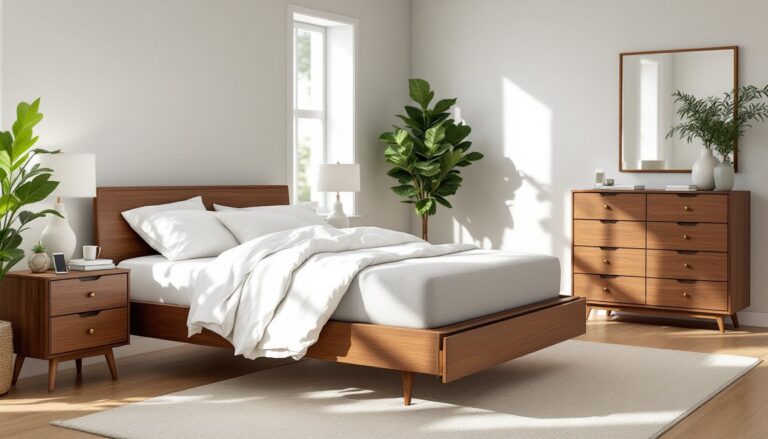
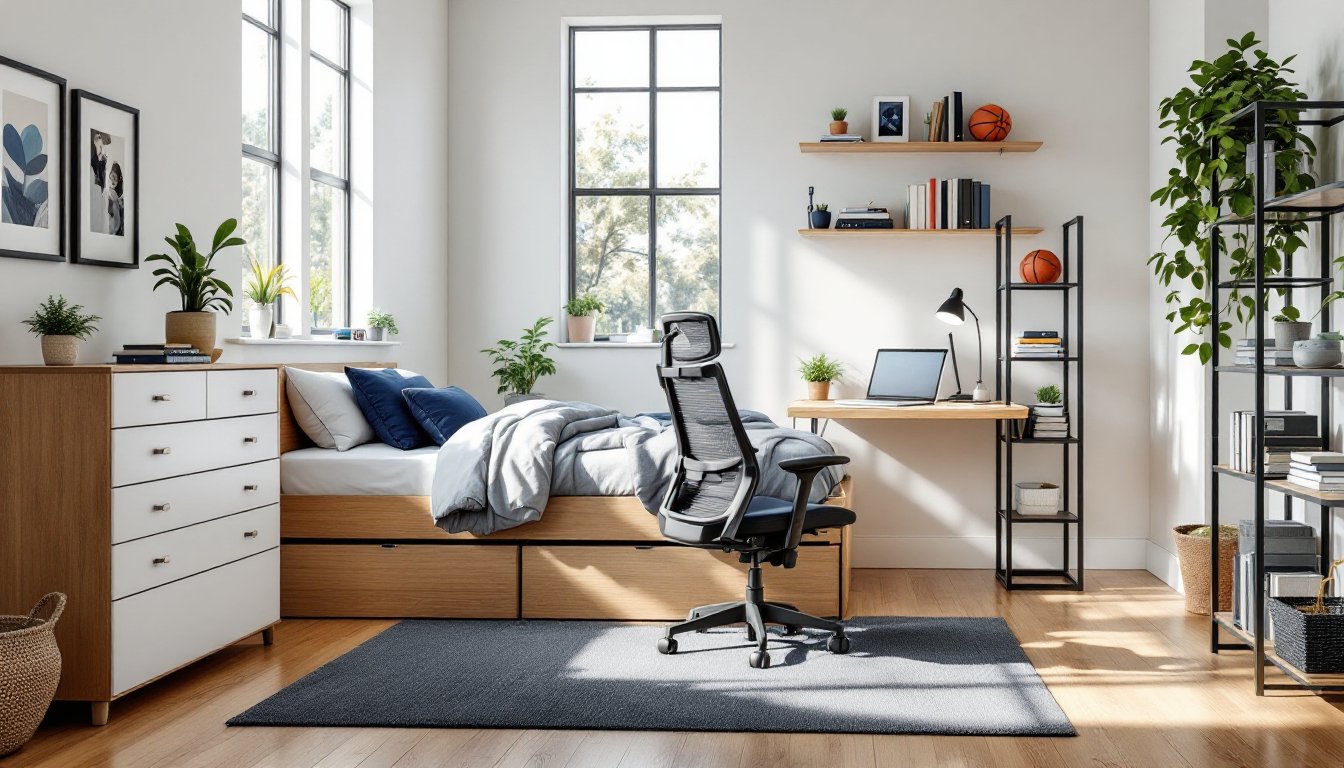
The bed anchors the room. For tight spaces, consider a platform bed with built-in drawers or a loft bed that opens up floor space underneath for a desk or seating. Platform beds eliminate the need for a box spring and often include storage cubbies in the base, critical when closet space runs short.
If the teen is still growing, invest in a full or queen mattress now rather than replacing a twin in eighteen months. Queen mattresses (60″ × 80″) fit most teen rooms that are at least 10′ × 10′, though you’ll sacrifice some floor space. Pair the bed with a sturdy frame: metal frames with center support bars handle weight better than basic hook-on rails.
Storage is where most teen rooms fail. Dressers should have at least four to six drawers, and depths of 16″ to 18″ handle folded jeans and hoodies. A combo unit, dresser topped with a hutch or mirror, uses vertical space efficiently. For rooms with minimal closet footage, add a freestanding wardrobe or an open garment rack (which, frankly, is closer to how most teens use their closets anyway).
Bookshelf depth matters: 10″ to 12″ shelves hold books and decor, but teens often need 12″ to 16″ depths for gaming consoles, sound systems, or display collections. Anchor tall shelving units to the wall with L-brackets and screws into studs, tip-over accidents are real.
Desks and Study Areas
Assignments, gaming, hobbies, and screen time all happen at the desk. A functional study area needs a desktop at least 48″ wide to fit a laptop, notebooks, and a lamp without crowding. Depth should be 24″ to 30″ to allow monitors or laptops to sit at a comfortable viewing distance.
Adjustable-height desks are worth the investment if your teen does a lot of digital work, standing desks reduce the strain from long study or gaming sessions. If that’s out of budget, a standard desk with a good ergonomic chair (seat height adjustable between 16″ to 21″, lumbar support, armrests) is non-negotiable. Teens spend hours at desks: a cheap chair leads to back problems and bad posture.
Add task lighting: a desk lamp with at least 400 to 500 lumens prevents eye strain. Look for adjustable arms and LED bulbs that don’t overheat.
Built-in cable management, grommets, rear channels, or clip-on organizers, keeps charging cables and peripheral cords under control. Alternatively, use adhesive cable clips along the desktop edge or back panel.
Choosing Furniture That Grows with Your Teen
The best teen bedroom furniture doesn’t scream “teenager.” It transitions into young adulthood without looking dated or requiring replacement.
Neutral frames, adaptable finishes. Choose bed frames, desks, and dressers in natural wood tones, black, white, or gray. Avoid trendy colors baked into the furniture itself, paint the walls or add removable decals instead. A simple wooden platform bed works in a teen’s room now and in their first apartment later.
Modular and reconfigurable pieces offer flexibility. Cube storage systems (like IKEA’s Kallax line) can be stacked, rearranged, or repurposed as the room’s needs shift. A desk with detachable hutches lets the teen simplify the workspace later without tossing the whole unit. Some makers specialize in creative furniture configurations that adapt as kids grow.
Avoid furniture sets. Matching bedroom furniture for teens looks tidy in catalogs but limits adaptability. Buying individual pieces, especially from different sources, lets you upgrade one item at a time and mix styles. Teenage girl bedroom furniture sets often lean heavily into a single aesthetic that feels restrictive after a year.
Prioritize quality joinery and materials over trendy details. Dovetail or mortise-and-tenon joints in drawers outlast stapled particleboard. Solid hardwood or metal frames handle moves, dorm rooms, and years of use. If budget forces a choice, spend more on the bed frame and desk (high-use pieces) and go budget-friendly on nightstands or decor shelves.
Finally, plan for tech. Desks should accommodate future monitor upgrades or dual screens. Include enough outlets or a power strip with surge protection mounted to the desk or wall. Charging stations and USB ports are standard now, don’t overlook them.
Style Tips: Balancing Teen Preferences with Practicality
Letting teens lead on style doesn’t mean handing over the credit card and hoping for the best. Set guardrails that keep the room functional and future-proof.
Start with a base palette. Let the teen choose one or two accent colors, then build around neutrals. Paint is cheap and reversible: furniture is not. A gray or white dresser works with navy bedding now and rust-toned decor next year.
Use textiles and decor for personality. Duvet covers, throw pillows, rugs, and wall art express style without permanent commitment. Swapping a duvet is a thirty-dollar refresh: replacing a bright pink dresser is a few hundred.
Mix textures and materials to add depth without clutter. Pair a wooden bed frame with a metal desk and fabric storage bins. Layer a patterned rug over hardwood or laminate. This approach mirrors design principles used in broader room transformations and keeps the space from feeling flat.
Create zones. Even in a small room, define areas for sleep, study, and hanging out. A rug under the desk, a reading chair in the corner, or a low bookshelf as a divider helps organize the space visually and functionally. Teens benefit from distinct zones, it reinforces good habits (sleep space vs. work space) and makes the room feel larger.
Include display space. Teens collect things, posters, trophies, photos, vinyl records. Open shelving, pegboards, or picture ledges give them a rotating gallery wall that doesn’t require patching nail holes every month. Use picture rail hooks or adhesive strips instead of nails when possible.
Avoid overbuying. Resist the urge to fill every corner. A bedroom isn’t a showroom. Leave open floor space for stretching, hanging out, or future needs. Teens often rearrange their rooms, give them the flexibility to do it.
Budget-Friendly Furniture Options and DIY Ideas
Furnishing a teen’s room doesn’t require a blank check. A few smart moves stretch dollars without sacrificing quality.
Shop unfinished or ready-to-assemble (RTA) furniture. Unfinished pine or poplar pieces cost significantly less than stained or painted versions. A can of semi-gloss paint or polyurethane (around $25 to $40) and a few hours of work yield a custom look. RTA furniture from big-box stores, while not heirloom quality, holds up fine for the four to six years a teen will actually use it. Understanding the variety of furniture options available helps in making cost-effective choices.
Buy secondhand strategically. Thrift stores, estate sales, and marketplace apps offer solid-wood dressers and desks at a fraction of retail. Inspect joinery (look for dovetails, not staples), test drawers, and check for structural damage. Surface scratches and dated finishes are easy fixes. Strip old varnish with a citrus-based stripper or sanding, then refinish with stain or paint. Add new drawer pulls or knobs (widely available for $3 to $8 each) to modernize a vintage piece.
DIY floating desks and shelves. A wall-mounted desk saves floor space and costs less than a freestanding unit. Use a solid-core door or a piece of 3/4″ plywood (cut to size at the hardware store) supported by heavy-duty shelf brackets or wall-mounted desk brackets anchored into studs. Expect to spend $60 to $100 total. Finish the surface with polyurethane or a coat of paint.
Floating shelves are even simpler: 1×10 or 1×12 boards secured with concealed shelf brackets or French cleats. Always anchor into studs for anything holding more than a few pounds, toggle bolts work for drywall if studs aren’t where you need them, but they’re rated lower than screws in solid framing.
Repurpose and refinish. An old wooden ladder becomes a blanket rack. Vintage crates stack into open shelving. An outdated desk gets new life with fresh paint and updated hardware. Sites like Young House Love and Houzz offer thousands of makeover examples that prove creativity beats budget.
Safety note: When refinishing or painting furniture, work in a well-ventilated area. Wear gloves and a respirator rated for organic vapors (not just a dust mask) when using strippers or oil-based finishes. Let all finishes cure fully, usually 72 hours, before moving furniture into the bedroom.
Finally, prioritize the pieces that matter. A quality mattress and a sturdy desk have more impact than a new nightstand. You can always add later.