
Table of Contents
ToggleUtah’s dramatic weather swings, from scorching 100°F summers to below-freezing winters with UV exposure that rivals coastal states, make choosing patio furniture less about aesthetics and more about survival. A dining set that looks perfect in April can warp, fade, or rust by September if it’s not built for the state’s high-desert climate. This guide walks through materials, local shopping options, and maintenance strategies tailored to Utah’s unique conditions, plus a few DIY projects that hold up better than big-box imports.
Key Takeaways
- Utah patio furniture must withstand intense UV radiation (8–10% higher than sea level), extreme temperature swings from 100°F summers to below-freezing winters, and spring winds up to 40 mph that require durable, weather-resistant materials.
- Powder-coated aluminum, high-density polyethylene resin wicker, and teak with regular oiling are the best materials for Utah’s four-season conditions, while untreated softwoods and standard outdoor fabrics will fail within 1–3 years.
- Mountain modern design with neutral tones and mixed materials dominates Utah outdoor spaces, while modular sectionals and propane fire tables are practical choices for local weather and social gatherings.
- RC Willey and Backyard Patio & Spa offer reliable Utah patio furniture with local delivery and warranties, though budget options from Costco and Lowe’s require more frequent replacement.
- Regular seasonal maintenance—including spring inspections, weekly summer cleaning, fall deep-cleaning, and winter storage of cushions—extends patio furniture life from 3–4 years to 8–10 years.
- DIY patio furniture using cinder blocks, pallets, concrete, or 2×4s costs $15–$60 per piece when properly sealed and often outlasts imported big-box alternatives in Utah’s harsh climate.
Why Utah’s Climate Demands Special Patio Furniture Considerations
Utah sits at 4,000–8,000 feet elevation across most populated areas, which intensifies UV radiation by roughly 8–10% compared to sea level. That means faster fading on cushions, plastics, and stains. Add summer temperatures regularly hitting 95–105°F along the Wasatch Front, and materials like untreated wood or low-grade resin crack within two seasons.
Winter brings the opposite problem. Freeze-thaw cycles, where daytime sun melts snow that refreezes overnight, can split wood joints, corrode metal welds, and shatter poorly made ceramics. Humidity is low year-round (often below 30%), which dries out natural materials faster than in coastal or humid climates.
Wind is another factor. Spring gusts routinely hit 30–40 mph in valleys and canyons, turning lightweight aluminum chairs into projectiles. Furniture needs either heft or secure anchoring.
Permit note: Permanent patio structures (pergolas, built-in fire pits, covered decks) often require city permits in Utah municipalities. Check with local building departments before anchoring furniture platforms or adding hardscape.
Best Materials for Utah Patio Furniture
Weather-Resistant Options for Four-Season Durability
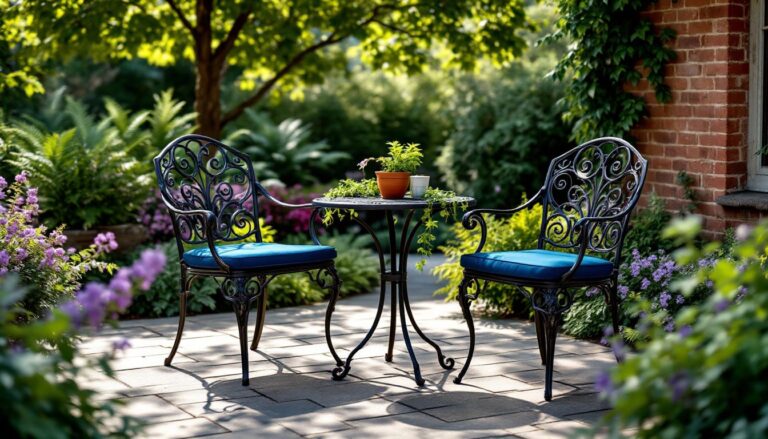
Powder-coated aluminum is the workhorse for Utah conditions. It resists rust, handles UV without warping, and stays lightweight enough to move but heavy enough to resist wind when weighted. Look for frames with welded joints (not bolted) and UV-stabilized powder coating rated for 1,000+ hours of sun exposure.
Teak and eucalyptus work if you’re willing to maintain them. Both contain natural oils that resist moisture, but Utah’s dry air pulls those oils out faster than in humid climates. Plan to oil teak furniture every 6–8 weeks during summer, or let it silver naturally (which doesn’t harm the wood). Avoid cedar or pine for seating, they’re too soft and splinter under UV stress.
High-density polyethylene (HDPE) resin wicker mimics natural wicker but won’t crack in freeze-thaw cycles. Quality matters: cheap resin becomes brittle within one winter. Check for UV inhibitors in the resin formula and hand-woven construction (machine-woven loosens faster). Many homeowners incorporating modern outdoor designs choose commercial-grade resin for four-season durability.
Steel with marine-grade finish handles wind loads better than aluminum but rusts if the finish chips. Stainless steel is overkill for most patios, marine-grade powder coating over carbon steel is more cost-effective.
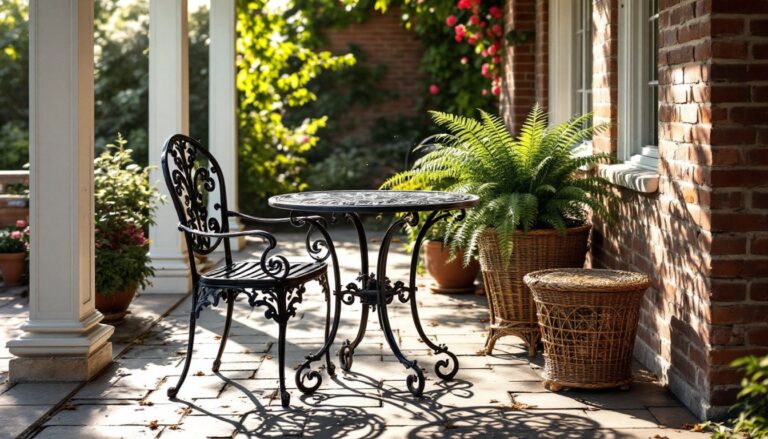
Avoid: untreated softwoods, wrought iron without rust-inhibiting primer, and any fabric cushions without solution-dyed acrylic or Sunbrella-grade covers. Standard outdoor fabric fades to pastel within one Utah summer.
Top Styles and Trends for Utah Outdoor Spaces
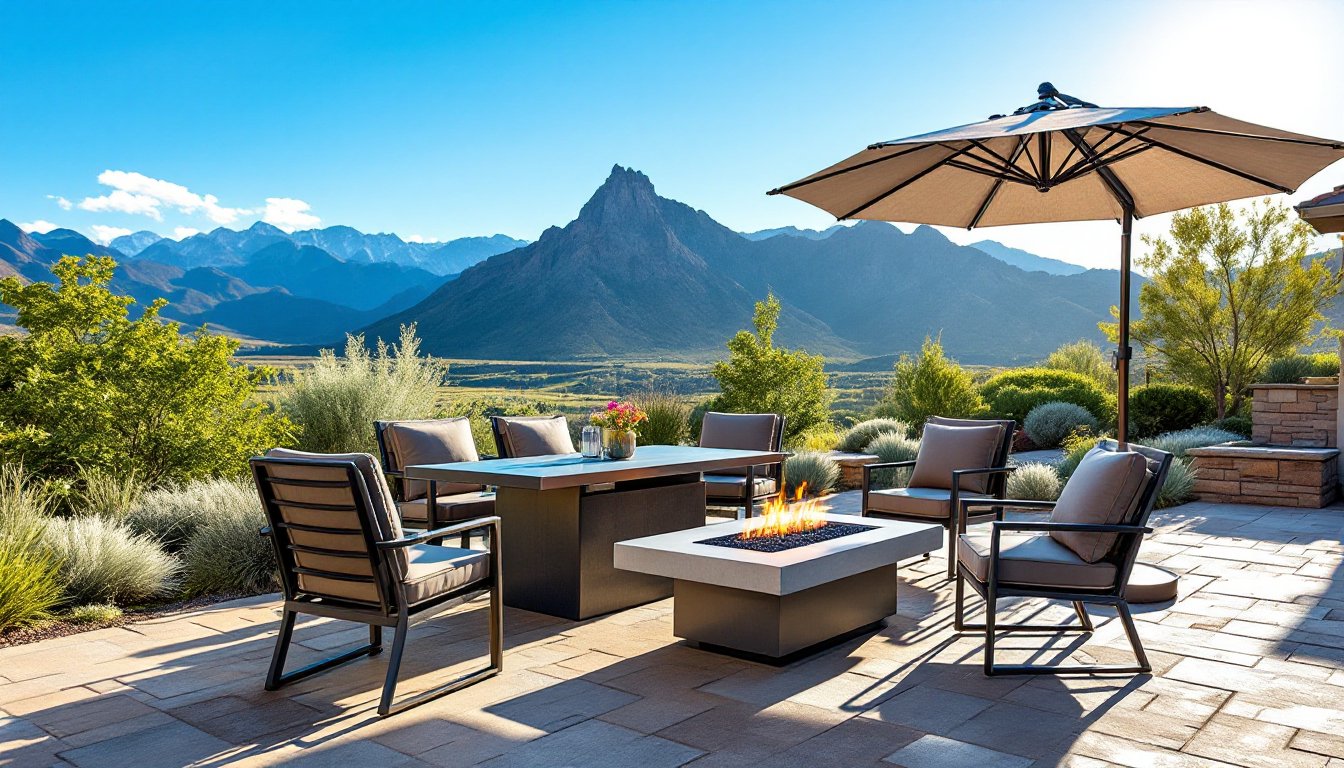
Mountain modern dominates Utah design, clean lines, neutral tones (charcoal, taupe, weathered gray), and mixed materials like metal frames with reclaimed wood tops. It pairs with both midcentury ranch homes and newer builds in Draper or Herriman.
Southwestern/desert minimalism is gaining traction in southern Utah (St. George, Cedar City). Think low-profile seating, terracotta accents, and drought-tolerant landscaping. Concrete or stone tables fit this aesthetic better than wood.
Farmhouse rustic still shows up in northern counties, distressed finishes, X-back chairs, and oversized farm tables. If going this route, seal everything with marine spar varnish (not polyurethane, which cracks in UV). Reapply every 12–18 months.
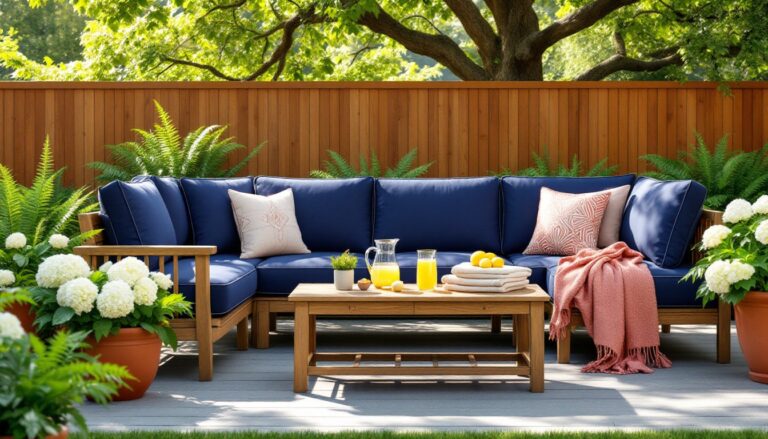
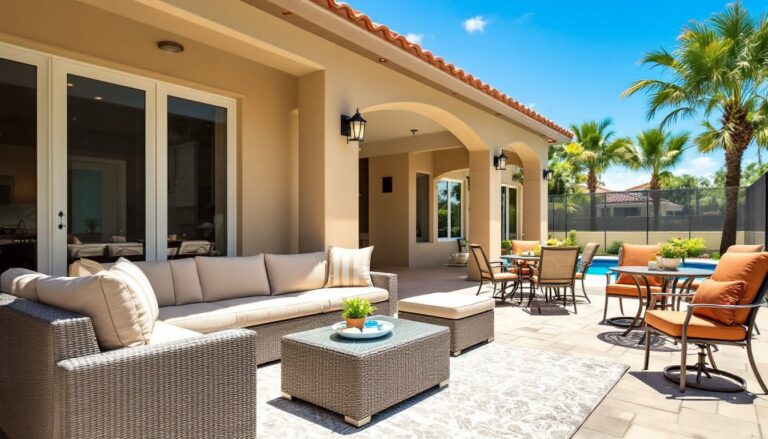
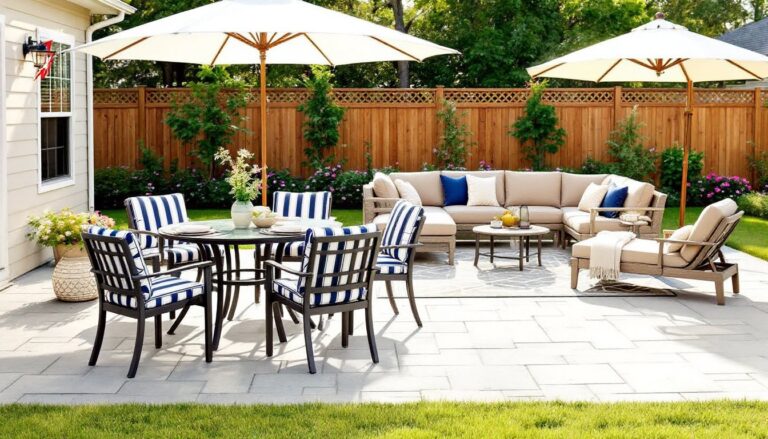
Modular sectionals are practical for Utah’s social culture (large families, neighborhood gatherings). Opt for aluminum or steel frames with removable, washable cushion covers. Velcro or tie-down straps prevent cushions from blowing into the neighbor’s yard.
Fire features are nearly mandatory. Propane fire tables outsell wood-burning pits 3:1 due to air quality restrictions during inversions (Cache Valley, Salt Lake Valley). Check local ordinances, some cities ban wood fires during red air days.
Where to Buy Patio Furniture in Utah
RC Willey (multiple locations) stocks mid-range sets ($800–$3,000) with same-day delivery in the Wasatch Front. Their clearance section (late August, early March) offers 40–60% discounts on overstock.
Backyard Patio & Spa (Sandy, Orem) specializes in higher-end powder-coated aluminum and teak. Expect $2,500–$6,000 for dining sets. They service what they sell, which matters for warranty claims.
Walker Furniture (multiple locations) carries budget-to-mid options. Quality is hit-or-miss, inspect welds and joint construction before buying.
Costco and Sam’s Club rotate patio inventory April–July. Their Sunbrella cushion sets ($600–$1,200) are solid for the price, but selection disappears by August.
Home Depot and Lowe’s stock basics year-round. Their Hampton Bay and Allen + Roth lines are adequate for covered patios but won’t survive full-sun exposure longer than 3–4 years.
Online: Wayfair and Overstock (headquartered in Utah) offer delivery, but you’ll assemble everything yourself. Read reviews specifically mentioning Utah weather, coastal reviews don’t translate.
For design inspiration and outdoor living ideas, research before visiting showrooms. Bring measurements and photos of your space.
Maintaining Your Patio Furniture Through Utah’s Seasons
Spring (March–May): Clean winter grime with mild dish soap and water. Inspect aluminum welds and wood joints for cracks. Reapply teak oil or spar varnish if needed. Tighten all bolts, freeze-thaw cycles loosen hardware.
Summer (June–August): Hose down furniture weekly to remove dust and pollen (Utah’s high desert kicks up fine sediment). Flip cushions monthly to even out UV fading. Move furniture to shade during peak UV hours (10 a.m.–4 p.m.) if possible, or use a cantilever umbrella with UV-rated fabric.
Fall (September–November): Deep-clean before storage. For items staying outside, apply furniture wax (not car wax) to metal and wood surfaces. This adds a UV barrier and sheds early snow.
Winter (December–February): Store cushions indoors, even Sunbrella degrades faster when wet and frozen. Cover furniture with breathable covers (not tarps, which trap moisture and cause mildew). Secure covers with bungee cords rated for 40+ mph wind. Alternatively, stack lightweight pieces in a shed or garage.
Safety note: Wear nitrile gloves when applying sealers or oils. Many contain solvents that irritate skin, and Utah’s dry air makes cuts heal slower.
Plan for 2–3 hours of maintenance per season for a typical 6-piece dining set. Skip these steps, and you’re replacing furniture every 3–4 years instead of 8–10.
Budget-Friendly DIY Patio Furniture Ideas for Utah Homes
Cinder block and 4×4 cedar benches: Stack cinder blocks (8″×8″×16″, $2–$3 each) as supports, then drop in pressure-treated 4×4 posts (actual size 3.5″×3.5″) as seats. Seal with exterior stain. Total cost: $40–$60 for a 6-foot bench. Withstands wind and snow.
Pallet furniture: Free pallets (check Craigslist or local warehouses) can become sectional frames. Sand thoroughly to avoid splinters, then seal with spar urethane (3 coats minimum). Add outdoor cushions. Pallets vary in quality, avoid chemically treated wood marked “MB” (methyl bromide). Look for “HT” (heat-treated).
Concrete side tables: Mix Quikrete 5000 (80 lb bag, $6) per manufacturer instructions. Pour into plastic storage bins or cardboard tube forms. Embed rebar stakes (12″, $3 each) as legs before concrete sets. Cure for 7 days, then seal with concrete sealer. Cost: $15–$25 per table. Virtually indestructible in Utah weather.
Adirondack chairs from 2×4s: Plans are free online (search “Adirondack chair cut list”). You’ll need ten 2×4×8 studs (actual 1.5″×3.5″×96″, $4–$6 each), exterior wood glue, and 3″ exterior screws. Cut with a circular saw: a miter saw makes angled cuts easier. Sand, prime, and paint with exterior latex. Time: 4–6 hours per chair. Cost: $35–$50.
Tool list: Circular saw or miter saw, drill/driver, 100-grit sandpaper, paintbrush or sprayer, clamps, safety glasses, and dust mask. For concrete projects, add mixing tub and rubber gloves.
Safety warnings: Always wear eye protection when cutting or drilling. Use a dust mask when sanding pressure-treated lumber (contains copper compounds). Work in ventilated areas when applying finishes.
DIY furniture often outlasts cheap imports because you control material quality. A $50 homemade bench with proper sealing beats a $150 big-box special that falls apart in two seasons. Regional home design approaches can also inspire porch and patio layouts suited to Utah’s outdoor lifestyle.