
Table of Contents
TogglePatio cushions take a beating. Sun exposure, rain, mildew, pollen, and UV rays all conspire to fade fabric and break down foam. Instead of replacing expensive cushions every season, smart homeowners invest in outdoor cushion covers, a practical, cost-effective solution that protects the cushions underneath while giving you the freedom to change up your outdoor aesthetic. Whether you’re protecting a deep-seating sectional, Adirondack chair cushions, or bench pads, the right covers can add years to their lifespan while keeping your patio looking fresh.
Key Takeaways
- Outdoor cushion covers extend cushion lifespan by three to five years while costing significantly less than replacement—a $50–$150 investment can prevent $200–$600 in cushion replacement costs.
- Solution-dyed acrylic fabrics like Sunbrella offer the best durability for outdoor cushion covers, providing five to seven years of fade resistance and mildew protection compared to polyester alternatives that fade within two to three seasons.
- Water-resistant covers are ideal for most residential patios, as they repel moisture while remaining breathable; waterproof covers risk trapping condensation and require periodic airing to prevent mildew.
- Accurate measurement of cushion width, depth, and thickness prevents ill-fitting covers that bunch or slide—use the widest points and note box height for cushions with side panels.
- Weekly debris brushing, spot-cleaning spills immediately, and machine washing two to three times per season maintain outdoor cushion covers and keep them looking new.
- Swapping cushion covers seasonally allows you to refresh your patio’s aesthetic affordably, using neutrals as anchors and patterns strategically to coordinate with your home’s exterior and garden design.
Why Outdoor Cushion Covers Are Essential for Your Patio
Outdoor cushion covers do more than dress up furniture, they’re a first line of defense against the elements. Unprotected cushions absorb moisture, which leads to mold and mildew growth, especially in humid climates or shaded areas. UV rays degrade fabric fibers and fade colors within a single season, turning deep navy into washed-out gray.
Protection from the elements is the primary function. Quality covers block UV radiation, shed water, and resist staining from spilled drinks, sunscreen, and pollen. They’re especially critical if your furniture stays outdoors year-round or if you lack covered storage.
Cost savings add up quickly. Replacing a set of deep-seating cushions can run $200–$600 depending on size and fill quality. A set of durable covers typically costs $50–$150 and can extend cushion life by three to five years. That’s a solid return on investment.
Flexibility in design is a bonus many homeowners overlook. Swapping covers lets you refresh your outdoor space seasonally without buying new furniture. Go coastal in summer with light blues and whites, then switch to warmer tones for fall gatherings.
Types of Outdoor Cushion Covers to Consider
Not all outdoor covers are created equal. The type you choose depends on your climate, furniture style, and how much maintenance you’re willing to invest.
Universal vs. custom-fit covers is the first decision. Universal covers use elastic edges or drawstrings to fit a range of cushion sizes. They’re affordable and flexible but can look baggy on smaller cushions. Custom-fit covers, often made-to-order, deliver a tailored look and stay in place better during windy conditions, but they cost more and require precise measurements.
Zippered vs. tie-on closures affect both aesthetics and ease of removal. Zippered covers slide off quickly for washing and create clean lines. Tie-on or Velcro closures work well for chair backs and irregularly shaped cushions but can loosen over time. Look for reinforced ties if you go that route.
Slipcover style vs. envelope style impacts how the cover sits on the cushion. Slipcovers fully encase the cushion with a zipper along the back or bottom edge. Envelope-style covers have an overlapping flap on the underside, eliminating visible zippers but sometimes allowing the cushion to shift.
Waterproof vs. Water-Resistant Covers
This distinction matters more than most buyers realize. Water-resistant covers repel light rain and splashes but will eventually soak through during prolonged exposure. They’re breathable, which reduces condensation and mildew risk, and they’re usually more comfortable to sit on. Fabrics like solution-dyed acrylic (Sunbrella is a common brand) fall into this category.
Waterproof covers feature a barrier coating or laminate backing that blocks all moisture. They’re ideal for climates with heavy, frequent rain or if cushions stay uncovered overnight. But, waterproof covers can trap moisture underneath if condensation forms, leading to mildew on the cushion itself. If you choose waterproof, remove covers periodically to let cushions air out, especially in humid regions.
For most residential patios, water-resistant is the sweet spot, it handles typical weather while letting cushions breathe.
Choosing the Right Fabric for Durability and Comfort
Fabric choice determines how long your covers last and how they feel underfoot (or under-seat). Outdoor fabrics face UV exposure, temperature swings, and abrasion, so indoor upholstery fabrics won’t cut it.
Solution-dyed acrylic is the gold standard for outdoor cushion covers. The color is locked into the fiber during manufacturing, making it highly fade-resistant. It’s breathable, soft, and resists mildew. Expect a lifespan of five to seven years with proper care. Sunbrella is the dominant brand, but other manufacturers like Outdura and Recacril offer comparable performance at slightly lower price points.
Polyester blends cost less and still provide decent UV and water resistance, but they fade faster, usually within two to three seasons. They’re a reasonable choice for covered patios or if you plan to update colors frequently. Look for fabrics rated for at least 1,000 hours of UV exposure.
Olefin (polypropylene) is budget-friendly and naturally stain-resistant, but it’s less durable than acrylic and can feel slick or plasticky. It works for low-traffic areas or secondary seating like poolside loungers.
Canvas and duck cloth offer a classic look and good breathability but require more maintenance. Treat them with a waterproofing spray annually and expect more frequent washing. They’re better suited to covered porches than fully exposed decks.
Weight and weave matter too. Heavier fabrics (9–12 oz per square yard) resist tearing and hold up to furniture with sharp edges. Tighter weaves block more UV and moisture but may feel stiffer. Many outdoor design experts recommend balancing durability with texture, your cushions should invite you to sit, not feel like tarp covers.
How to Measure and Find the Perfect Fit
Ill-fitting covers bunch, slide, or leave cushion edges exposed. Measuring accurately takes ten minutes and saves the frustration of returns.
Start by removing cushions from the furniture and laying them flat on a clean surface. Measure width, depth, and thickness at the widest points. For curved or contoured cushions, measure the longest dimension in each direction.
Standard seat cushions on dining chairs typically run 18″ × 18″ to 20″ × 20″ with 2″–3″ thickness. Deep-seating cushions for sectionals and lounge chairs measure 24″ × 24″ or larger, with 4″–6″ thickness. Chaise lounge cushions vary widely, measure the full length and note any tapered or curved sections.
If cushions have rounded corners, note the radius if ordering custom covers. For box-style cushions with side panels (boxing), measure the height of that side panel separately. Many manufacturers list “box height” or “gusset height” in product specs.
When shopping, check the size range if buying universal covers. A cover listed as fitting 18″–20″ cushions will be snug on an 18″ cushion and loose on a 20″ one. If your cushion falls at the top of the range, size up.
Pro tip: For cushions with ties or straps that attach to furniture, measure the tie length and placement. Some covers accommodate pass-throughs: others require you to remove the ties entirely, which can make cushions less secure on windy days.
Maintenance Tips to Extend the Life of Your Cushion Covers
Outdoor fabrics are tough, but neglect will shorten their lifespan. A little routine care keeps covers looking new and performing well.
Brush off debris weekly. Pollen, leaves, and dirt act like sandpaper when ground into fabric. Use a soft-bristle brush or vacuum with an upholstery attachment to remove surface grit before it embeds.
Spot-clean spills immediately. Blot liquids with a clean cloth, don’t rub, which spreads the stain. Mix a few drops of mild dish soap with water and dab the area, then rinse with a damp cloth. Avoid harsh detergents or bleach, which can weaken fabric and cause discoloration.
Machine wash covers two to three times per season. Most outdoor fabrics tolerate machine washing on a gentle cycle with cold water and mild detergent. Remove covers before they’re fully dry and air-dry them flat or on a clothesline, high heat from dryers can shrink covers or damage waterproof coatings. Check the care label: some manufacturers void warranties if you machine-dry.
Address mildew promptly. If you spot dark stains or a musty smell, mix one cup of white vinegar with a gallon of water and scrub gently with a soft brush. For stubborn mildew, use a solution of one part bleach to four parts water (only on colorfast fabrics), rinse thoroughly, and air-dry in direct sunlight, UV rays naturally inhibit mildew.
Store covers during extreme weather. While outdoor fabrics handle rain and sun, prolonged snow cover or ice can stress seams and zippers. If you live in a region with harsh winters, pull covers and store them in a dry, ventilated space. Clean them first, stored dirt attracts pests like mice.
Reapply water repellent annually. Even water-resistant fabrics benefit from a spray-on treatment like 303 Fabric Guard or Scotchgard Outdoor. Apply after washing, let dry completely, and reapply mid-season if you notice water soaking in rather than beading up.
Design Ideas to Refresh Your Outdoor Space
Cushion covers are one of the easiest ways to update your patio’s look without a full furniture overhaul. A few strategic choices can tie together your outdoor space or create distinct zones.
Mix patterns with restraint. Pair one bold pattern, florals, geometrics, or stripes, with solid covers in coordinating colors. A common formula: two solids for every one pattern. This keeps seating cohesive without looking chaotic. Regional design inspiration often favors classic stripes and florals for a timeless porch aesthetic.
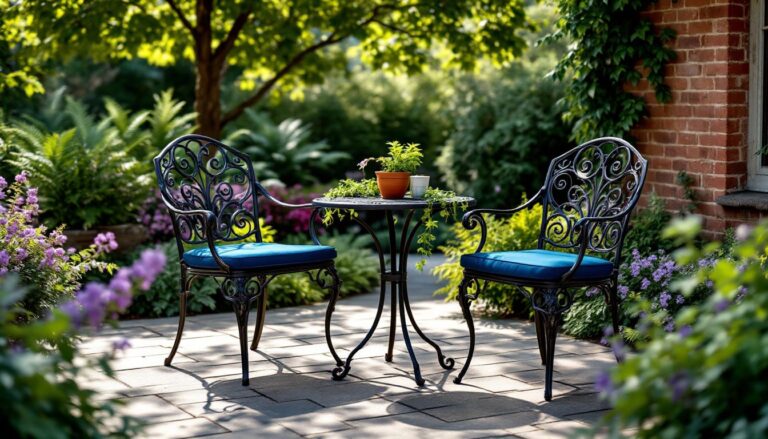
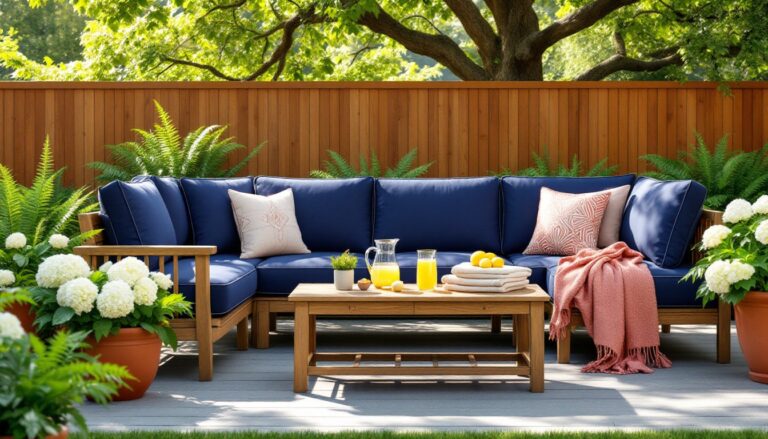
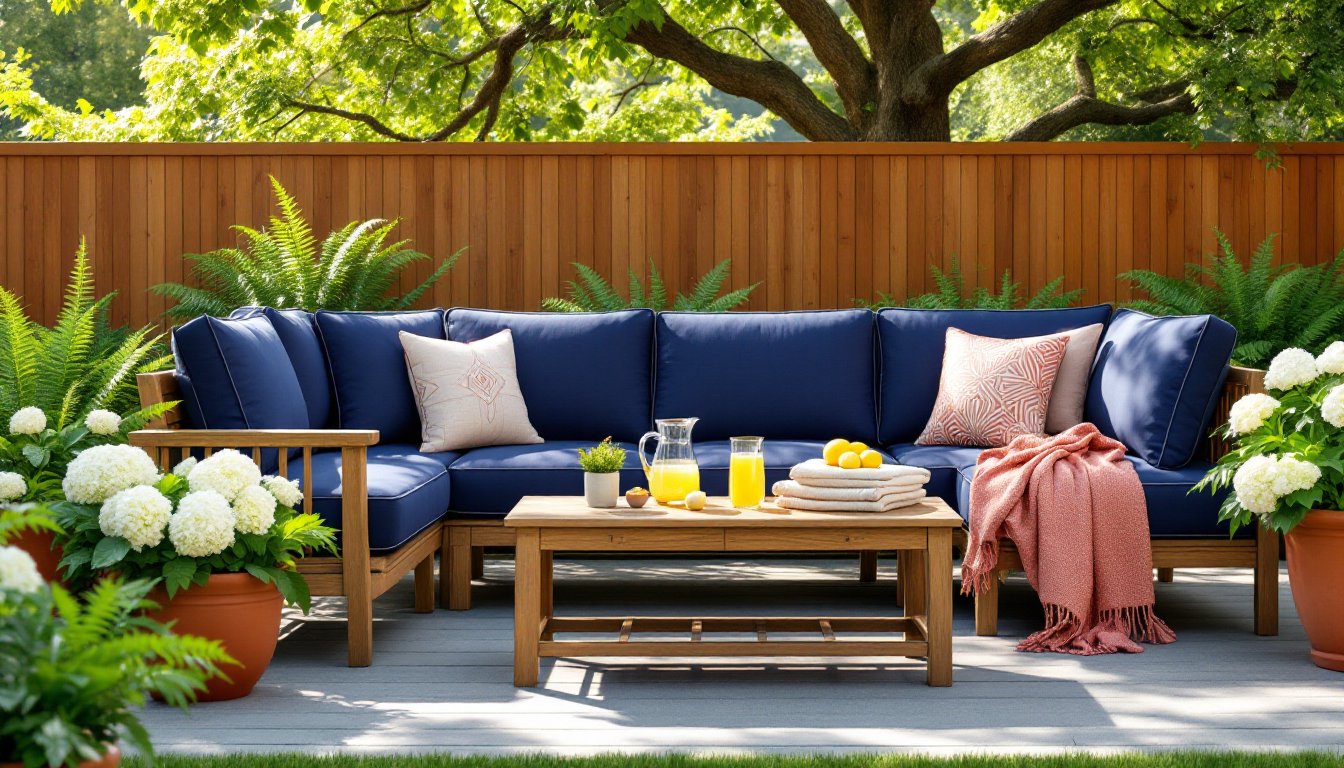
Anchor with neutrals, accent with color. Neutral bases, gray, tan, navy, or black, work with any decor style and hide stains better. Add pops of color with smaller accent pillows or a single statement chair. This approach also makes it easier to swap accents seasonally without replacing the whole set.
Layer textures for visual interest. Combine smooth acrylic covers with textured throw pillows in woven or chunky fabrics. Even outdoor spaces benefit from tactile variety, it makes seating areas feel intentional rather than utilitarian.
Coordinate with fixed elements. Pull colors from your home’s exterior trim, deck stain, or garden plantings. If you have a brick patio, warm terracotta or rust tones complement the masonry. For composite decking in gray tones, cool blues and greens create a cohesive palette.
Seasonal rotations keep things fresh. Bright citrus and aqua tones work for summer, while deeper burgundy, olive, or burnt orange bring warmth for fall. Curated outdoor decor collections often showcase how simple cover swaps transform the same furniture setup across seasons.
Don’t forget functionality. Light-colored covers show dirt faster but brighten shaded patios. Dark covers hide stains but absorb more heat, not ideal for seating in full sun during July. Weigh aesthetics against practical use based on your space.