

Table of Contents
ToggleAntique patio furniture brings character and history to outdoor spaces in ways mass-produced pieces simply can’t. Whether it’s a weathered wrought iron settee or a vintage wicker rocker, these pieces carry decades of craftsmanship and durability. But buying, restoring, and styling antiques requires different know-how than picking something off a showroom floor. This guide walks through identifying genuine antiques, tracking them down, tackling restoration work, and integrating them into a functional outdoor space without turning the patio into a museum.
Key Takeaways
- Antique patio furniture must be at least 100 years old to qualify as genuine, while pieces between 20-100 years old are classified as vintage and still valuable for outdoor spaces.
- Identify authentic antique pieces by examining hand-forged joinery, maker’s marks, foundry stamps, and material aging patterns like distinct patina on wrought iron and UV damage that matches the claimed age.
- Source genuine antique patio furniture from estate sales, architectural salvage yards, and authenticated online platforms like Chairish and 1stDibs, which offer provenance guarantees.
- Wrought iron and cast iron dominated antique outdoor furniture production from the 1850s-1960s, while natural wicker pieces from the Victorian era require covered storage to prevent deterioration.
- Restore antique patio furniture by assessing structural integrity first, treating rust with phosphoric acid converters, applying protective coatings, and using gentle cleaning methods for wicker without over-restoration.
- Style antique patio furniture functionally by mixing antique and modern elements, considering scale and sight lines, protecting high-value pieces with rugs and pads, and positioning them under shade to maximize durability.
What Makes Patio Furniture Truly Antique?
The term “antique” gets tossed around loosely, but in the collecting world, it has a specific definition. A piece must be at least 100 years old to qualify as a true antique. Anything between 20 and 100 years old falls into the vintage category, still valuable and collectible, but not technically antique.
Authenticity matters when evaluating outdoor furniture. Look for hand-forged joinery, irregular casting marks on iron pieces, or hand-woven patterns in wicker. Machine-made replicas show uniformity that hand-crafted originals lack. Check for maker’s marks, foundry stamps, or patent dates, these often appear on the underside of seats or chair legs.
Material aging also tells the story. Genuine wrought iron develops a distinct patina and shows hammer marks from shaping. Cast iron pieces may have sand casting texture. Old-growth wood used in vintage pieces is denser and tighter-grained than modern lumber. UV damage, surface oxidation, and wear patterns should match the claimed age. If a “100-year-old” piece has fresh paint with no wear on armrests or seat edges, that’s a red flag.
Where to Find Authentic Antique Patio Furniture
Estate sales and auctions remain the most reliable sources for genuine antique outdoor furniture. Executors often undervalue patio pieces compared to indoor furnishings, creating opportunities for buyers who know what to look for. Arrive early, bring a tape measure, and inspect joints and structural integrity before bidding.
Architectural salvage yards stock pieces removed from demolished estates and hotels. These yards often carry commercial-grade furniture built to last decades, bistro sets from old restaurants, park benches from municipal projects, or pool furniture from historic resorts. Prices vary widely based on condition and rarity.
Online marketplaces like Chairish, 1stDibs, and Ruby Lane specialize in authenticated antiques with detailed provenance. Expect to pay premium prices, but these platforms vet sellers and often guarantee authenticity. For budget-conscious buyers, Facebook Marketplace and Craigslist can yield finds, but require sharp eyes for distinguishing genuine pieces from reproductions.
Don’t overlook rural farm auctions and flea markets in regions with older housing stock. Pieces from Southern outdoor spaces often turn up at regional sales, particularly wrought iron and painted metal furniture common to older porches and gardens. Antique malls with multiple vendors allow comparison shopping, though markup tends to be higher than direct estate sales.
Popular Styles and Materials of Antique Outdoor Furniture
Wrought Iron and Cast Iron Classics
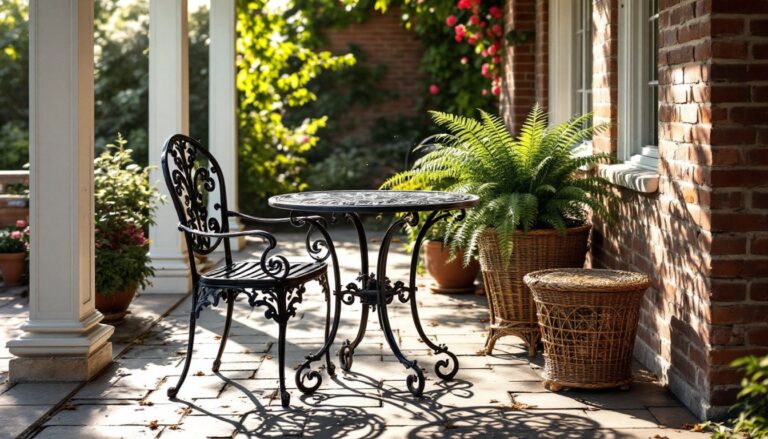
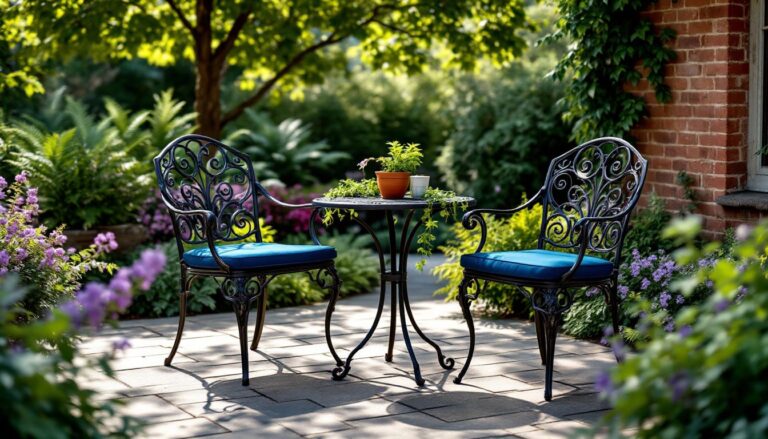
Wrought iron furniture dominated American patios from the 1850s through the 1950s. These pieces were shaped by heating and hammering, resulting in scrollwork, leaf patterns, and curved forms. Wrought iron is relatively lightweight for metal furniture and has a fibrous grain that resists shattering under stress. Common forms include bistro sets, plant stands, and settees with slatted seats.
Cast iron pieces, chairs, benches, and tables, were poured into molds, allowing for intricate decorative patterns. Victorian-era cast iron often features grapevine, fern, or Gothic revival motifs. These pieces are substantially heavier than wrought iron (a single chair can weigh 40-60 pounds) and more prone to cracking if dropped or stressed. Authentic cast iron shows slight imperfections from sand casting, no two pieces are identical.
Look for foundry marks on the underside. Major American manufacturers like Salterini, Brown Jordan (early lines), and Woodard produced high-quality iron furniture from the 1920s-1960s. European imports from French foundries also appear in the U.S. market, often distinguished by metric sizing and Continental design motifs.
Vintage Wicker and Rattan Pieces
Natural wicker and rattan furniture thrived during the Victorian and Arts and Crafts periods, particularly from the 1880s through the 1920s. Real wicker is woven from willow, reed, or rattan cane, not the synthetic resin used in modern “all-weather wicker.”
Authentic wicker shows hand-woven patterns with slight irregularities. Examine the underside and joints: machine-woven wicker (post-1950s) has uniform spacing and mechanized knots. High-quality antique wicker used rattan core wrapping for structural elements and finer reed for decorative weaving.
Common forms include platform rockers, conversation sets, and chaise lounges. Heywood-Wakefield and other American manufacturers produced thousands of pieces for porches and sunrooms. Asian imports, particularly from the Philippines and Hong Kong, entered U.S. markets heavily after 1900.
Wicker requires indoor or covered storage. Even well-maintained antique wicker shouldn’t be left in direct rain, it’ll crack, unravel, and develop mold. If a piece spent its life on a covered porch, condition may be excellent. If it sat outdoors unprotected, restoration may not be economical.
How to Restore and Preserve Antique Patio Pieces
Start by assessing structural integrity before cosmetic work. Shake iron furniture to check for loose joints or stress cracks. Wrought iron joints were originally welded or riveted: if loose, a welder can re-secure them. Cast iron cracks can be welded by specialists using nickel rod, but severely damaged pieces may not be worth the cost.
For surface rust on iron, use a wire brush or wire wheel attachment on a drill to remove loose oxidation. Wear safety goggles and a dust mask, rust particles are sharp and airborne. After mechanical removal, treat remaining surface rust with a phosphoric acid-based rust converter (brands like Ospho or Rust-Kutter), which chemically stabilizes rust into an inert layer.
Prime bare iron with a rust-inhibiting metal primer (Rust-Oleum Clean Metal Primer or similar). Apply two coats of exterior enamel or powder coating for long-term protection. If preserving original paint with patina, clean gently and apply a clear protective topcoat rated for UV and moisture exposure. Don’t over-restore, some collectors value original finish even when worn.
Wicker restoration is more delicate. Clean with a soft brush and mild detergent solution (1 tablespoon dish soap per gallon of water). Rinse with a damp cloth, never soak wicker. If strands are loose, re-secure with wood glue applied via syringe to avoid excess. Broken strands can be spliced by overlapping and wrapping with matching reed, available from basket-weaving suppliers.
For vintage Adirondack chairs and other wooden patio pieces, inspect joinery first. If screws or bolts are rusted, replace with stainless steel hardware. Sand weathered wood with 80-grit followed by 120-grit sandpaper. Apply a penetrating wood sealer or marine-grade spar varnish, which flexes with temperature changes better than standard polyurethane.
Store valuable pieces under cover or bring them indoors during harsh weather. Even restored antiques weren’t designed for year-round UV and moisture exposure by modern standards. A covered porch or seasonal storage extends lifespan significantly.
Styling Your Outdoor Space with Antique Furniture
Antique patio furniture works best when it has a clear function, not just decorative presence. A wrought iron bistro set becomes a morning coffee spot. A Victorian plant stand shows off a specimen fern. If a piece doesn’t serve a purpose, it reads as clutter, not charm.
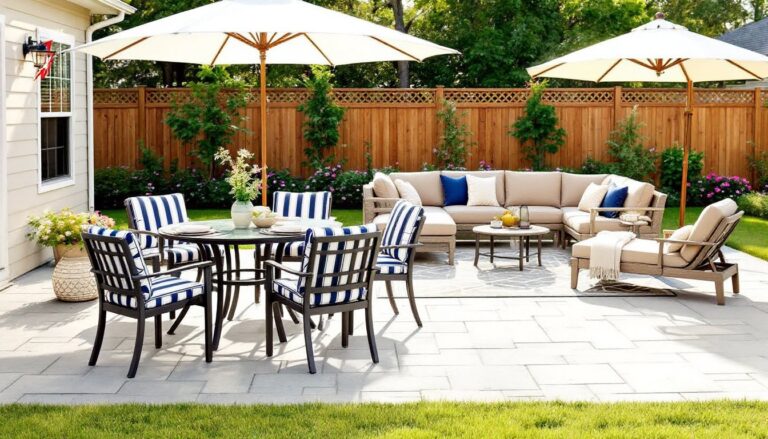
Mix antique and modern elements to avoid a theme-park effect. Pair a cast iron bench with contemporary outdoor cushions in weather-resistant Sunbrella fabric. Combine a vintage wicker chair with a new side table. This approach respects the antique’s character while keeping the space livable.
Scale matters. Antique furniture often runs smaller than modern pieces, Victorian chairs were built for different average body sizes, and bistro sets were designed for intimate spaces. Measure before committing to a large set. A single statement piece often works better than crowding a small patio with multiple antiques.
For country-style outdoor settings, weathered finishes and mismatched pieces create an intentional, collected look. Let iron develop a natural patina rather than keeping it glossy. Layer in vintage garden tools, galvanized planters, or old watering cans as accents.
Protect high-value pieces with outdoor rugs to prevent direct ground contact and moisture wicking. Use furniture pads or cork strips under iron feet to avoid scratching deck surfaces and improve drainage. Position pieces under eaves, pergolas, or shade trees when possible, even restored antiques benefit from UV protection.
Consider the view from inside. Antique furniture should enhance sight lines from windows and doors, not block them. Arrange seating to face garden features or views, not walls or fences. If the space is visible year-round, choose pieces that look good in all seasons, iron furniture draped in snow has appeal: mildewed wicker does not.