
Table of Contents
ToggleFinding the best design and decor ideas can completely change how a home looks and feels. A well-decorated space reflects personality, boosts mood, and creates a welcoming atmosphere for everyone who enters. Whether starting from scratch or refreshing an existing room, the right choices make all the difference.
This guide covers practical strategies for identifying personal style, current trends worth considering, essential decor elements, and budget-friendly tips. Each section offers actionable advice that works for any skill level. The goal is simple: help readers create spaces they love without stress or confusion.
Key Takeaways
- The best design and decor starts with understanding your personal style—collect inspiration images to identify patterns in your preferences.
- Current trends like curved furniture, earthy color palettes, and statement lighting can add lasting appeal when they complement your existing style.
- Every well-designed room needs layered lighting, area rugs, window treatments, plants, and personal objects to feel complete.
- Paint delivers the biggest transformation for your budget—refresh walls, accent areas, or interior doors for dramatic impact.
- Shop secondhand, DIY simple projects, and invest strategically in high-use items to create stylish spaces without overspending.
- The best design and decor reflects the people living there, so prioritize meaningful pieces over perfect showroom looks.
Understanding Your Personal Style
Personal style forms the foundation of any successful design and decor project. Without a clear sense of what appeals to you, rooms can feel disjointed or generic. Taking time to define preferences saves money and prevents regret later.
Start by collecting images that catch your eye. Pinterest boards, magazine clippings, and saved Instagram posts all work well. After gathering 20-30 images, look for patterns. Do most feature neutral colors or bold hues? Clean lines or ornate details? Natural materials or sleek metals? These patterns reveal underlying preferences.
Consider lifestyle factors too. A family with young children needs durable, easy-to-clean surfaces. Someone who entertains often benefits from flexible seating arrangements. A remote worker requires a functional home office setup. The best design and decor choices align with how people actually live.
Common style categories include:
- Modern: Clean lines, minimal ornamentation, neutral palettes with occasional bold accents
- Traditional: Classic furniture shapes, rich colors, symmetrical arrangements
- Bohemian: Layered textures, global influences, eclectic collections
- Farmhouse: Natural wood, vintage pieces, comfortable and casual feel
- Scandinavian: Light colors, functional furniture, cozy textiles
Most people don’t fit neatly into one category. That’s fine. Mixing elements from different styles often creates the most interesting spaces. The key is maintaining some consistency in color palette or material choices so rooms feel cohesive rather than chaotic.
Top Interior Design Trends Worth Trying
Design trends come and go, but some offer lasting appeal. Choosing wisely means picking trends that complement existing style rather than fighting against it.
Curved Furniture
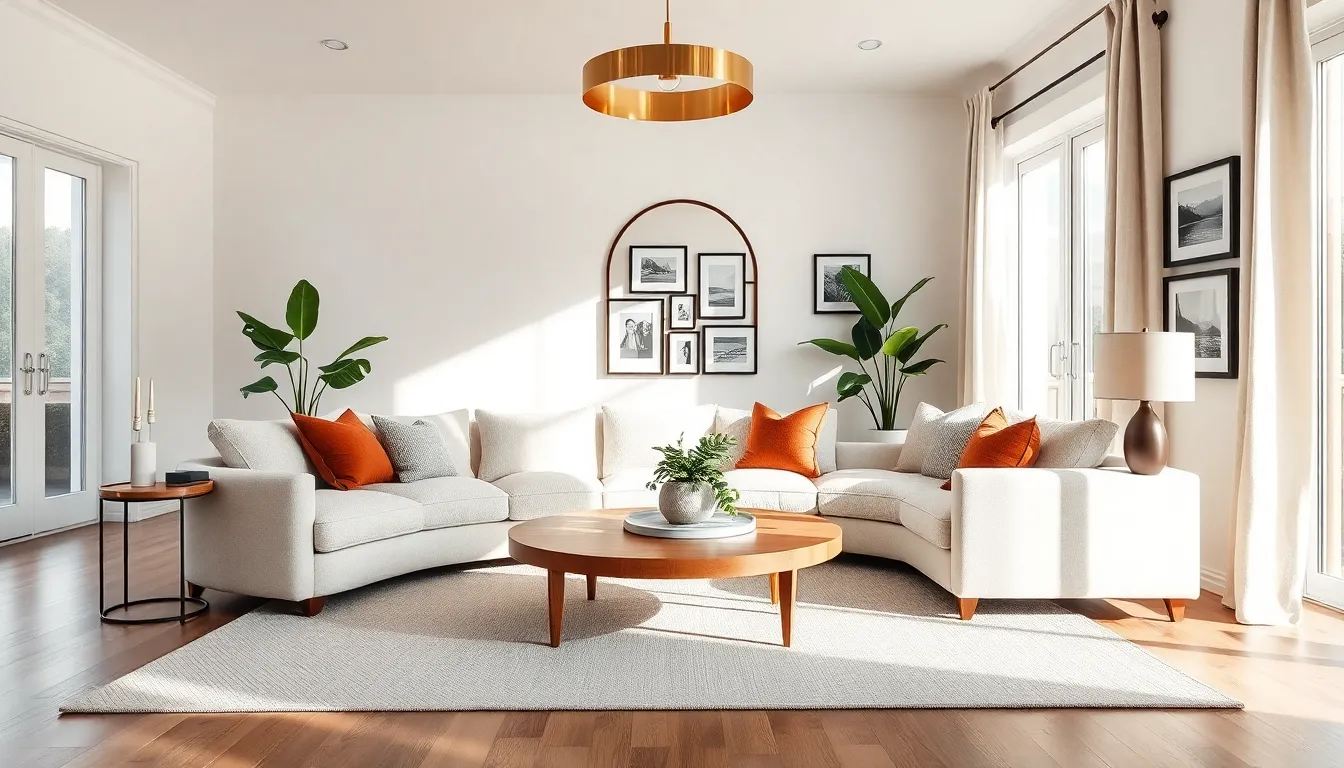
Straight edges have dominated for years. Now, curved sofas, round coffee tables, and arched mirrors are gaining popularity. These shapes soften rooms and create visual interest. They work particularly well in modern spaces that need warmth.
Earthy Color Palettes
Terracotta, sage green, warm browns, and creamy whites dominate current design and decor choices. These colors connect interiors to nature and create calm atmospheres. They pair well with wood furniture and natural fiber rugs.
Statement Lighting
Light fixtures have become focal points rather than afterthoughts. Sculptural pendants, oversized floor lamps, and artful sconces add personality to any room. Swapping a basic fixture for something distinctive offers an easy upgrade.
Sustainable Materials
Reclaimed wood, recycled metals, and organic fabrics appeal to environmentally conscious homeowners. Beyond ethics, these materials often bring unique textures and character that mass-produced items lack.
Mixed Metals
The old rule of matching all metal finishes has faded. Combining brass, black iron, chrome, and copper creates depth and sophistication. The trick is distributing different metals throughout a room rather than clustering them in one spot.
Textured Walls
Plaster effects, limewash paint, and textured wallpapers add dimension to flat surfaces. These treatments work especially well on accent walls or in rooms with minimal artwork. They bring visual interest without adding clutter.
When incorporating trends, start small. A trendy throw pillow costs less than a trendy sofa. Testing affordable pieces first helps determine what truly resonates before making bigger investments.
Essential Decor Elements for Every Room
Certain elements appear in well-designed spaces regardless of style. Including these fundamentals creates polished, complete-looking rooms.
Layered Lighting
Every room needs three types of lighting: ambient (general illumination), task (focused light for specific activities), and accent (decorative highlights). Combining all three creates flexibility and atmosphere. A living room might include recessed ceiling lights, table lamps by seating areas, and a picture light over artwork.
Area Rugs
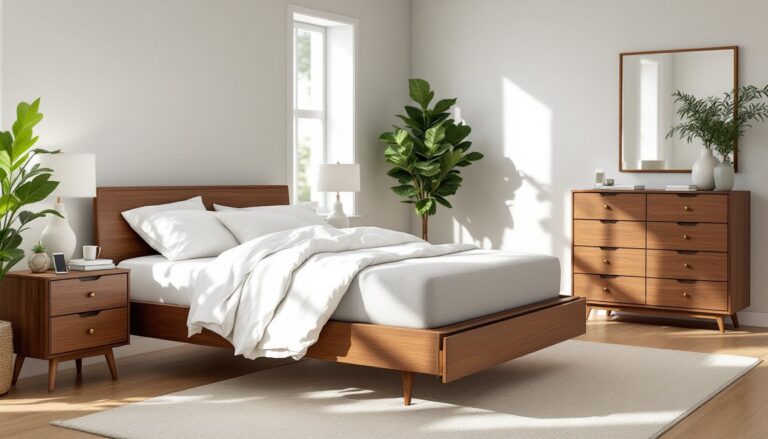
Rugs define spaces, add warmth, and introduce color or pattern. They anchor furniture groupings and make hard floors more comfortable. In living rooms, the rug should be large enough for front furniture legs to rest on it. In bedrooms, rugs typically extend beyond bed sides.
Window Treatments
Bare windows look unfinished. Curtains, blinds, or shades complete a room while providing privacy and light control. Hanging curtain rods higher and wider than window frames makes windows appear larger. This small adjustment significantly impacts how spacious a room feels.
Plants and Greenery
Living plants bring energy to any space. They improve air quality, add color, and connect interiors to the outdoors. For those without green thumbs, high-quality faux plants offer a low-maintenance alternative. Mixing sizes and varieties creates natural-looking arrangements.
Personal Art and Objects
Mass-produced decor fills space but doesn’t tell a story. The best design and decor schemes include meaningful items: travel souvenirs, family photos, inherited pieces, or collected artwork. These objects spark conversation and make homes feel genuinely personal.
Mirrors
Mirrors serve multiple purposes. They bounce light around rooms, create illusions of space, and add decorative interest. A well-placed mirror can make a dark hallway brighter or a small room feel twice its size.
Budget-Friendly Tips for a Stylish Home
Creating beautiful spaces doesn’t require unlimited funds. Strategic choices stretch budgets while still achieving impressive results.
Paint transforms everything. A fresh coat of paint costs relatively little but dramatically changes a room’s character. Even painting just an accent wall or interior doors can update tired spaces. This single investment delivers the biggest bang for the buck in home design and decor.
Shop secondhand first. Thrift stores, estate sales, Facebook Marketplace, and consignment shops offer quality furniture at fraction of retail prices. Older pieces often feature better construction than new budget options. Reupholstering or refinishing extends their life further.
Swap before shopping. Rearranging existing furniture or moving items between rooms provides free refreshes. That lamp languishing in a guest bedroom might be perfect for the living room. Moving a bookshelf to a different wall changes traffic patterns and visual interest.
DIY what you can. Simple projects like painting furniture, changing cabinet hardware, or creating gallery walls require minimal skill. YouTube tutorials make even ambitious projects approachable. The satisfaction of completing something personally adds emotional value beyond money saved.
Invest strategically. Splurge on items used daily or those that take heavy wear: sofas, mattresses, dining tables. Save on decorative accessories, seasonal items, and pieces in low-traffic areas. This approach balances quality where it matters with affordability elsewhere.
Wait for sales. Major furniture retailers run predictable promotions around holidays. Patience pays off when buying bigger pieces. Signing up for email lists often unlocks first-time buyer discounts too.
Remember, the best design and decor reflects the people living there. An imperfect room filled with loved items beats a perfect showroom that feels cold and impersonal.