
Table of Contents
ToggleShopping for patio furniture doesn’t mean draining your savings account for a few chairs and a table. With strategic timing, smart retailer selection, and a keen eye for quality indicators, homeowners can furnish an entire outdoor space for a fraction of showroom prices. The key is understanding when retailers need to move inventory, which materials offer the best value per season of use, and how to differentiate between genuine discounts and inflated “sale” prices. This guide walks through proven tactics for securing premium patio furniture without the premium price tag, no lifestyle blogger vagueness, just practical shopping strategies that work.
Key Takeaways
- Shop for best patio furniture deals during late summer and early fall (August-September) when retailers discount inventory by 40-70% to clear space for holiday stock.
- Calculate cost per year of use rather than upfront price—a durable $400 aluminum set lasting eight years ($50/year) beats a cheap $200 resin set that cracks after two years ($100/year).
- Prioritize material quality with powder-coated aluminum, galvanized steel, or high-density polyethylene (HDPE) resin, which resist rust and UV degradation far better than budget alternatives.
- Online retailers like Wayfair and Overstock offer wider selection and frequent flash sales, while warehouse clubs (Costco, Sam’s Club) provide 30-40% lower prices on high-quality sets through aggressive bulk pricing.
- Buy floor models at season’s end and negotiate an additional 10-20% off already-reduced clearance prices—these pieces are fully assembled for inspection and rarely have structural issues despite minor cosmetic wear.
- Invest in quality cushions separately during clearance sales by purchasing budget frames first, which often costs less than buying complete sets while allowing customization of comfort and color.
When to Find the Biggest Patio Furniture Discounts
Retail cycles drive patio furniture pricing more than anything else. Most big-box stores and specialty retailers follow predictable markdown schedules tied to inventory turnover and seasonal demand.
Late summer and early fall (August through September) deliver the steepest discounts. Retailers need to clear floor space for holiday inventory, and outdoor furniture becomes a low priority as temperatures drop. Expect 40–70% off display models, overstock, and current-season collections during this window.
End-of-season clearance in October can yield even deeper cuts, but selection narrows significantly. What remains are typically odd lots, discontinued colors, or items with minor cosmetic damage. If you’re flexible on style and willing to inspect carefully, this is prime hunting ground.
Winter months (December through February) offer sporadic deals, particularly around Presidents’ Day. Some retailers run promotions to move warehouse stock, though selection remains limited. Online-only retailers sometimes offer better winter inventory than brick-and-mortar stores.
Spring preview sales (late February through March) provide a different opportunity. New collections arrive, and retailers discount prior-year models still in inventory. Prices won’t match fall clearance levels, but selection is vastly better, and you’ll have furniture in place before warm weather hits.
Avoid buying in April through early July unless you find an exceptional deal. This is peak season, with minimal discounting and full-price expectations. The exception: Memorial Day and Fourth of July sales, which can offer 20–35% off, solid but not spectacular.
Top Retailers Offering Unbeatable Patio Furniture Deals Right Now
Different retailers excel in different categories and price points. Knowing where to look saves time and expands options.
Big-box home improvement stores (Home Depot, Lowe’s) carry mid-range patio sets with strong warranty support. Their clearance sections in late August rival any specialty retailer, and floor models often come with additional markdowns. These stores also stock replacement cushions and parts, extending furniture lifespan.
Warehouse clubs (Costco, Sam’s Club) offer limited selection but aggressive pricing on high-quality sets. Their buying power translates to 30–40% lower prices than comparable furniture elsewhere. Stock rotates quickly, if you see something you like, buy it. It won’t be there next week.
Online retailers (Wayfair, Overstock, Amazon) provide the widest selection and frequent flash sales. Filter by customer ratings above 4.0 stars and read reviews mentioning assembly difficulty and material durability. Free shipping thresholds vary, so factor delivery costs into price comparisons.
Target and Walmart have significantly upgraded their patio furniture lines in recent years. Target’s Threshold and Opalhouse collections offer on-trend designs at accessible price points, while Walmart’s Better Homes & Gardens line provides best patio furniture deals for budget-conscious shoppers without sacrificing essential quality markers.
Local liquidation and overstock stores sometimes carry patio furniture from department store returns or cancelled orders. Prices can be exceptional, but inventory is unpredictable and sold as-is. Inspect thoroughly for structural soundness and missing hardware.
How to Spot a Great Deal vs. a Marketing Gimmick
Not all discounts are created equal. Retailers use several tactics that look like deals but deliver questionable value.
Check the “compare at” price. Some retailers inflate the reference price to make discounts appear larger. Cross-reference the item on manufacturer websites or use price-tracking browser extensions to verify the typical selling price over the past 90 days.
Calculate cost per year of use. A $400 aluminum frame set that lasts eight years ($50/year) beats a $200 resin set that cracks after two years ($100/year). Material quality directly impacts longevity. Powder-coated aluminum, galvanized steel, and high-density polyethylene (HDPE) resin resist rust and UV degradation better than budget alternatives.
Evaluate cushion quality separately. Cheap foam compresses within one season. Look for high-resiliency foam with a density rating above 1.8 lbs per cubic foot. Solution-dyed acrylic fabrics (Sunbrella is the gold standard) resist fading and mildew far better than polyester blends. Cushions represent 30–40% of a set’s cost but determine comfort and appearance longevity.
Inspect joinery and hardware. Screwed joints outlast snap-together plastic connections. Stainless steel hardware resists corrosion: zinc-plated hardware will rust in humid climates. If shopping in-store, sit in chairs and check for wobble or flex. Online purchases should come from retailers with hassle-free return policies.
Read the fine print on warranties. A five-year frame warranty signals manufacturer confidence. One-year warranties on cushions are standard: anything less is a red flag. Warranties that exclude “normal wear” or “weathering” offer little practical protection.
Budget-Friendly Patio Furniture Styles That Don’t Sacrifice Quality
Certain furniture styles and materials deliver better value without looking cheap or falling apart after one season.
Aluminum frame with sling fabric seating offers excellent durability at mid-range prices ($400–$800 for a five-piece set). The sling fabric dries quickly, requires no cushions, and resists mildew. Frames are lightweight for easy rearranging but sturdy enough for everyday use. This style appears frequently in porch and outdoor living ideas favored across regions with high humidity.
Resin wicker over steel frames mimics natural wicker’s aesthetic without the maintenance headaches. Quality resin wicker is UV-stabilized and hand-woven over powder-coated steel or aluminum frames. Sets range from $600–$1,200 depending on size and cushion quality. Avoid all-resin furniture without metal framing, it doesn’t hold up under stress or prolonged sun exposure.
Recycled plastic lumber (HDPE) Adirondack chairs start around $150–$250 per chair and last decades with zero maintenance beyond occasional hosing off. They’re heavier than wood but won’t splinter, rot, or need annual staining. Color runs through the material, so scratches don’t show.
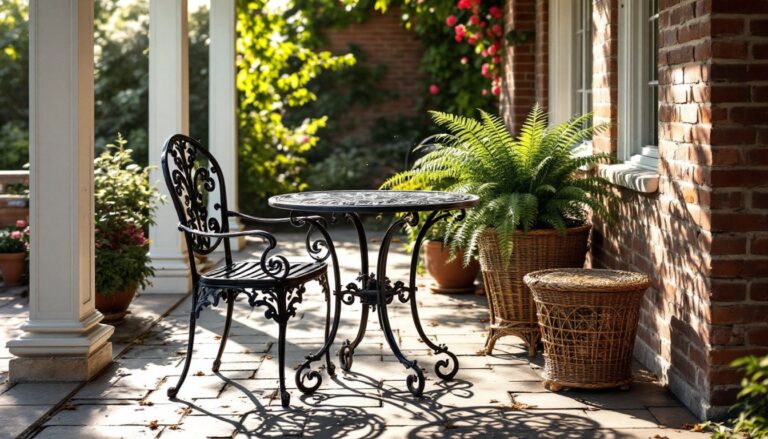
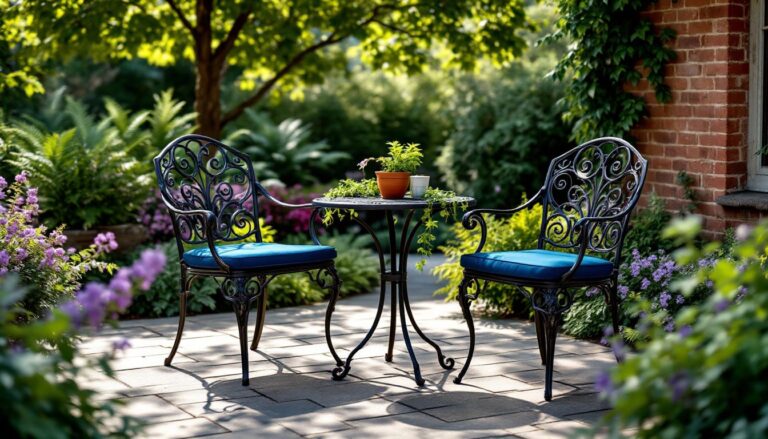
Bistro sets with tempered glass tops provide functional dining spaces for small patios at $200–$400. The glass is easy to clean and weather-resistant. Steel frames should be powder-coated: avoid painted finishes that chip and rust.
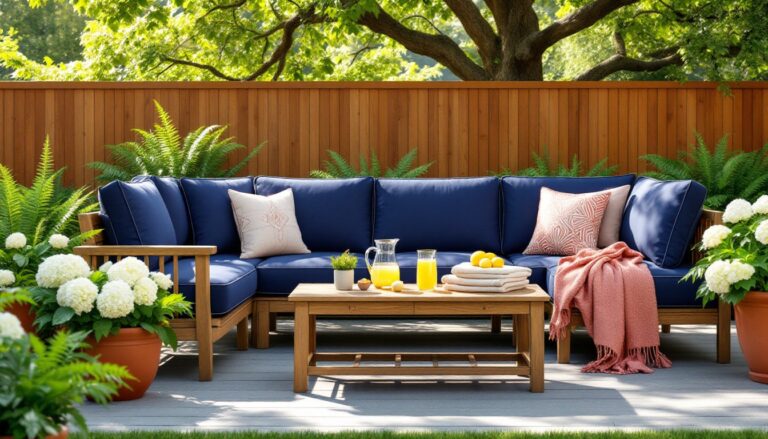
DIY cushion upgrades transform budget frames. Buy affordable frames during clearance sales and invest in quality cushions separately. This approach often costs less than buying a complete set and allows customization of comfort and color. Many interior design ideas emphasize mixing frame materials with coordinated cushion palettes for a curated look.
Clearance and Overstock: Where to Find Hidden Patio Furniture Gems
Clearance and overstock inventory requires more effort to locate but rewards patience with exceptional pricing.
Store clearance aisles in home improvement and department stores should be checked weekly during July through September. New markdowns appear as management assesses remaining inventory. Display models often receive additional discounts if you ask, they’ve been exposed to handling and showroom lighting but are usually structurally sound.
Online clearance sections get updated more frequently than physical stores. Set up alerts on retailer websites or use price-tracking tools that notify you when specific items drop below your target price. Pay attention to shipping costs on bulky items, a $100 discount evaporates quickly with $80 delivery fees.
Manufacturer outlets and factory stores sell overruns, discontinued patterns, and cosmetic seconds (minor imperfections that don’t affect function). These locations typically sit in outlet malls or industrial areas. Prices run 40–60% below retail, and you’re buying directly from the source with valid warranties.
Habitat for Humanity ReStores and similar nonprofit resale shops occasionally receive patio furniture donations from model homes, estates, or overstock. Quality varies wildly, but prices are typically 70–90% below retail. Proceeds support home-building programs.
End-of-year inventory auctions from rental properties, hotels, and event venues liquidate commercial-grade patio furniture that’s seen heavy use but was built to higher standards than residential furniture. Search for local commercial liquidators or online auction platforms. Expect to need a truck and possibly minor repairs, but the pricing can be extraordinary.
Facebook Marketplace and Craigslist require caution but can yield high-end furniture from homeowners redecorating or relocating. Bring cash, inspect in person, and negotiate. Designer affordable patio furniture often appears on these platforms when trends shift or homeowners upgrade.
Smart Shopping Strategies to Maximize Your Savings
Strategic shopping habits compound savings beyond just catching sales.
Measure your space before shopping. Bring dimensions and photos on your phone. Patio furniture that’s too large crowds the space: too small looks sparse. Standard dining chairs need 24 inches of table edge per seat. Conversation sets require 18 inches of clearance between seats and around tables for comfortable passage.
Buy in sets when possible. Individual pieces carry higher per-item costs. A seven-piece dining set typically costs less than buying a table and six chairs separately. But, if you only need specific pieces, buying open-stock items during clearance can work out better.
Stack discounts and rewards. Use store credit cards offering 5–10% back on opening day purchases, combine with sale pricing, and pay off immediately to avoid interest. Some retailers allow coupon stacking with clearance prices, read the terms carefully.
Consider assembly requirements. Flat-pack furniture costs less to ship, reducing prices by 15–25%, but requires 1–3 hours of assembly depending on complexity. Evaluate whether the time investment and tool requirements (typically a cordless drill, rubber mallet, and adjustable wrench) match the savings.
Plan for storage or weatherproofing. Furniture that can be stored or covered during off-season lasts significantly longer. Factor cover costs ($40–$100 for quality waterproof covers) into your budget. Alternatively, choose materials that can remain uncovered year-round, aluminum, HDPE, and marine-grade stainless steel handle exposure without deterioration.
Buy floor models at season’s end. Negotiate an additional 10–20% off already-reduced floor models. These pieces have been fully assembled, allowing you to inspect quality and comfort before buying. Minor scuffs or sun-fading may be present but rarely affect function.
Conclusion
Furnishing a patio with quality pieces doesn’t require a premium budget, just strategic timing and informed material choices. By shopping seasonal clearances, prioritizing durable materials over trendy finishes, and knowing which retailers offer genuine value, homeowners can create functional outdoor spaces that last for years at prices that leave room in the budget for grills, planters, and everything else that makes a patio worth using.