
Table of Contents
ToggleOutfitting a deck, patio, or balcony doesn’t have to drain your wallet. Costway patio furniture has carved out a reputation as a go-to option for homeowners who want functional outdoor spaces without the boutique price tag. The brand offers a wide range of styles, from classic wicker conversation sets to sleek aluminum dining tables, at price points that compete with big-box retailers but often with more design variety. Whether you’re furnishing a small apartment balcony or a sprawling backyard, understanding what Costway delivers (and where it has limitations) helps you make smart buying decisions and get the most out of your investment.
Key Takeaways
- Costway patio furniture offers 20–40% savings compared to traditional retailers by cutting out middleman markups, with conversation sets ranging from $200–$600 and dining sets from $300–$900.
- Materials like PE wicker and powder-coated aluminum are weather-resistant for seasonal use but require off-season storage or protective covers in harsh climates and freeze-thaw zones.
- Proper measurements and climate considerations are essential before purchasing—measure usable floor space and prioritize UV-resistant fabrics for sunny regions or aluminum frames for humid coastal areas.
- Assembly typically requires 1–2 hours with a cordless drill, and proactive inspection of frame joints, touch-ups to powder coating, and cushion maintenance significantly extend furniture lifespan.
- Realistic longevity for Costway wicker sets is 3–5 years and metal pieces 5–8 years with regular care, making the value proposition strong for homeowners who update outdoor decor seasonally.
Why Costway Patio Furniture Stands Out for Budget-Conscious Homeowners
Costway operates as a direct-to-consumer brand, which cuts out middleman markups and keeps prices competitive. Most conversation sets fall in the $200–$600 range, while dining sets typically run $300–$900 depending on material and seating capacity. That’s 20–40% less than comparable pieces at traditional outdoor furniture retailers.
The brand’s catalog is deep. Instead of forcing buyers into three or four curated collections, Costway offers dozens of configurations: two-piece bistro sets for tight balconies, five-piece sectionals with ottomans for larger patios, and modular pieces that can be rearranged as needs change. This variety makes it easier to match furniture to actual square footage rather than settling for an awkward fit.
Materials lean toward engineered options rather than premium hardwoods or high-end powder-coated steel. Expect PE (polyethylene) wicker over steel frames, powder-coated aluminum, and textilene fabric for sling chairs. These materials handle UV exposure and light rain reasonably well, but they’re not built for year-round outdoor exposure in harsh climates without covers or storage.
Assembly is required for nearly every piece, and instructions can be hit-or-miss. Some homeowners report clear diagrams and pre-drilled holes that line up perfectly: others encounter vague steps or hardware that requires patient alignment. Budget an extra 30–60 minutes beyond the listed assembly time if you’re working alone.
Warranty coverage is limited compared to premium brands. Most Costway furniture carries a one-year manufacturer’s warranty covering defects but not wear-and-tear or weather damage. That’s standard for budget outdoor furniture, but it means proactive maintenance and off-season storage become more important.
Popular Costway Patio Furniture Collections and Styles
Wicker and Rattan Sets
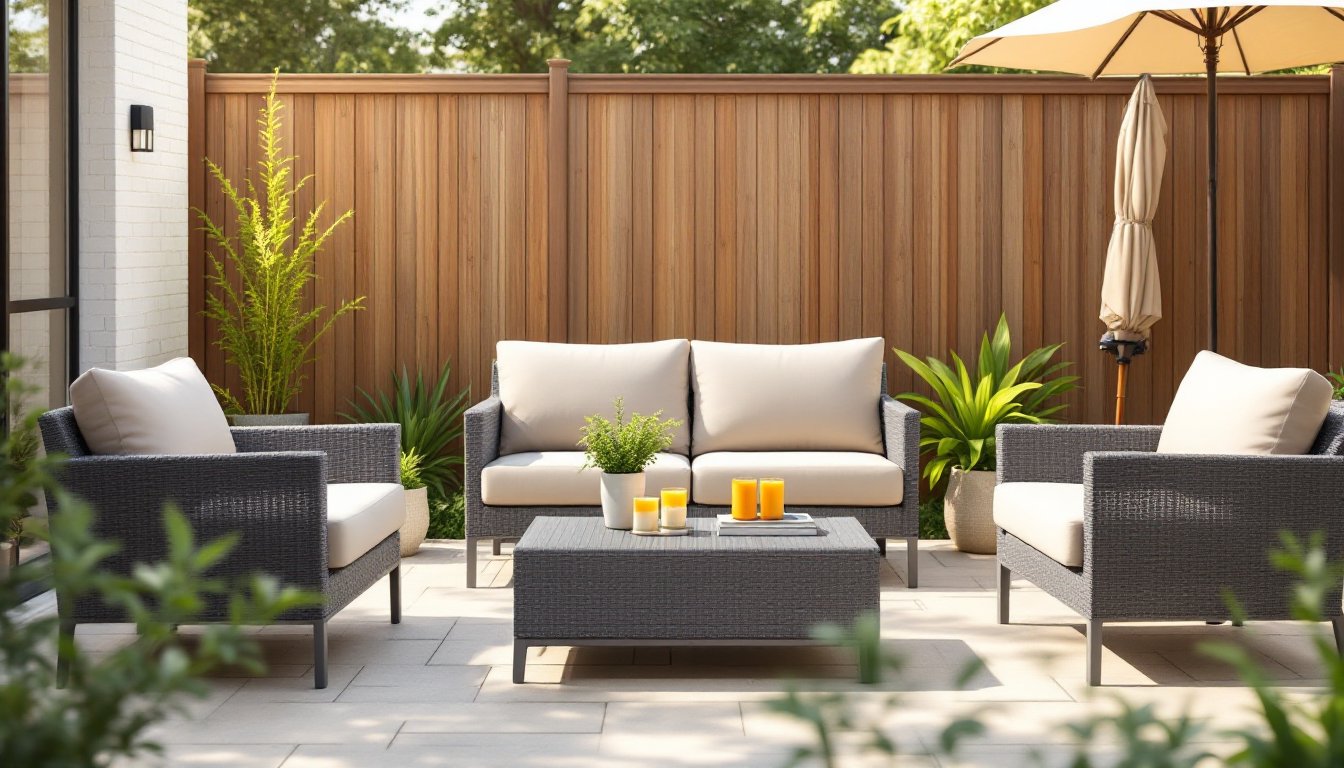
Costway’s wicker and rattan offerings dominate the catalog, and for good reason: they deliver a classic outdoor aesthetic at a fraction of the cost of natural rattan. Most sets use hand-woven PE wicker over powder-coated steel frames, which provides flexibility and weather resistance without the brittleness of older resin wicker formulations.
Conversation sets typically include a loveseat, two chairs, a coffee table, and removable cushions. Cushion covers are usually polyester with water-resistant backing, not waterproof, so they’ll shed light rain but shouldn’t be left out in a downpour. Foam density ranges from 1.8 to 2.2 lb/ft³, which is adequate for seasonal use but will compress faster than premium outdoor cushions rated at 2.5+ lb/ft³.
Color options tend toward neutral palettes: gray, brown, beige, and occasionally black. If you’re aiming for a cohesive look with other outdoor entertaining setups, these tones integrate easily with planters, rugs, and string lighting.
Sectional sets offer modular flexibility. Corner pieces, armless chairs, and ottomans can be rearranged into L-shapes, U-shapes, or separated into individual seating zones. Check frame dimensions carefully, some modular pieces don’t lock together, relying instead on weight and cushion overlap to stay aligned. On windy sites, adding non-slip furniture pads prevents creep.
Metal and Aluminum Options
For buyers prioritizing durability and low maintenance, Costway’s metal and aluminum collections make sense. Powder-coated aluminum frames resist rust better than steel, weigh less, and require minimal upkeep beyond occasional hosing and wipe-downs.
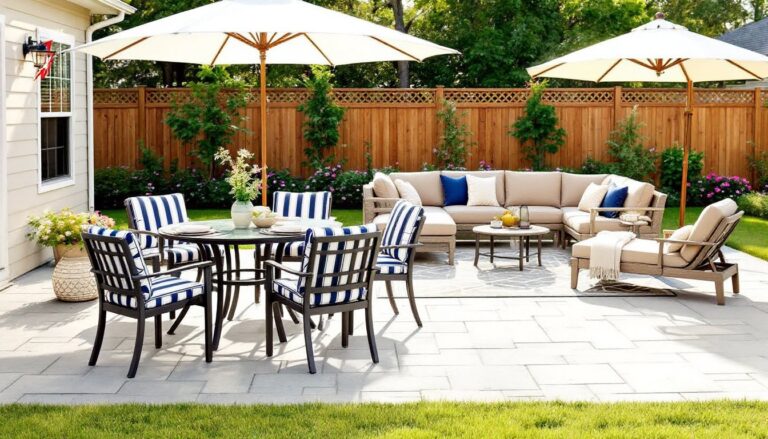
Dining sets in this category often feature slatted tabletops and stacking chairs, making them practical for smaller patios where furniture needs to be stowed between gatherings. Weight capacity on aluminum chairs typically ranges from 250 to 300 lbs per seat, adequate for most adults but worth verifying if you’re furnishing a high-traffic area.
Textilene sling chairs are a standout in this category. The PVC-coated polyester mesh dries quickly, doesn’t trap moisture, and handles UV exposure better than fabric cushions. Sling tension does loosen over time, expect to replace slings every 3–5 years with regular use, though replacement slings are sold separately by third-party suppliers.
Bistro sets in wrought-style metal offer a decorative option for small spaces. These sets mimic traditional cast iron designs but use lighter stamped steel with powder coating. They’re stable enough for balconies and porches but can tip on uneven surfaces. If placing on a deck or patio with slight slope, adjustable feet or shims keep things level.
How to Choose the Right Costway Patio Furniture for Your Space
Start with measurements, not aesthetics. A five-piece sectional looks inviting online but becomes a space hog on an 8×10 patio. Measure your usable floor area, subtract 24–36 inches on all sides for walkways and door clearance, then compare those numbers to the listed dimensions of the furniture (including cushions, which add 4–6 inches to depth).
Consider exposure and climate. If your patio gets full afternoon sun in a hot, arid region, UV-resistant PE wicker and textilene fabrics hold up better than cushioned pieces, which fade and degrade faster. In humid coastal areas, aluminum frames outperform steel, even powder-coated steel, which can develop rust spots at joints and welds over time.
Weight matters if you live in a windy location. Lightweight aluminum bistro sets can blow over in gusts above 20 mph. For exposed sites, choose heavier wicker sets or add sandbag weights to table bases and umbrella stands. Many patio design guides recommend anchoring lightweight furniture during storm season.
Think about use case. If you’re furnishing a space for daily coffee and weekend entertaining, durability and comfort take priority over style. Look for sets with thicker cushions (4+ inches), reinforced frames at stress points (armrests, seat joints), and replaceable components. If the space is for occasional use, a rental property, a seasonal porch, basic wicker or sling chairs suffice.
Storage and off-season care should influence material choice. Aluminum and textilene pieces can be left outdoors year-round in mild climates with a furniture cover. Wicker and cushioned sets benefit from indoor or covered storage in winter, especially in freeze-thaw zones where moisture can crack wicker and degrade foam.
Verify assembly requirements before ordering. Most Costway furniture ships in flat-pack boxes requiring 1–2 hours of assembly. If you don’t have a cordless drill, adjustable wrench, and patience for aligning pre-drilled holes, factor in assembly service costs or choose simpler two-piece sets that snap together without tools.
Assembly, Maintenance, and Longevity Tips
Assembly prep saves headaches. Unbox all components and lay out hardware before starting. Check the parts list against what’s included, missing screws or brackets are easier to request before you’re halfway through assembly. Work on a flat surface, ideally the patio or deck where the furniture will live, so you’re not hauling a half-assembled sectional down stairs.
Use a cordless drill with a Phillips bit for screws, but don’t overtighten. PE wicker can crack if screws are driven too deep, and aluminum frames can strip threads. Snug is sufficient: you’re not building a load-bearing structure.
If holes don’t align perfectly, don’t force it. Costway frames sometimes have slight variances in pre-drilled holes. A step drill bit or hand reamer can open holes by 1–2 mm without compromising structural integrity. For minor alignment issues, leave screws loose until all pieces are connected, then tighten in stages.
Maintenance is minimal but necessary. Wipe down wicker and metal frames monthly with a damp cloth and mild dish soap to remove pollen, dust, and bird droppings (which can stain and corrode finishes). Rinse cushion covers every few weeks and air-dry completely before putting them back, trapped moisture leads to mildew.
Inspect frame joints and welds twice a season. Hairline cracks in powder coating expose metal to moisture and accelerate rust. Touch up chips with rust-inhibiting spray paint rated for outdoor metal. Wicker fraying at stress points (armrests, seat edges) can be trimmed with flush-cut scissors and sealed with a dab of clear silicone.
Cushion care extends lifespan. Bring cushions indoors during rain or use waterproof storage boxes on the patio. Flip and rotate cushions monthly to distribute compression evenly. When cushions lose rebound, replacement foam inserts are available from fabric and upholstery suppliers, most Costway cushions use standard 24×24-inch or 22×22-inch foam cores.
For long-term protection, invest in furniture covers sized to fit. Generic covers work, but custom-fit options (measure your set and order from outdoor furniture cover suppliers) prevent wind lofting and water pooling. Covers should have vents to prevent condensation buildup, which promotes mold on cushions and frames.
Longevity expectations are realistic with care. Costway wicker sets typically last 3–5 years with regular use and proper storage. Metal and aluminum pieces can push 5–8 years if frames are maintained and slings or cushions are replaced as needed. Comparing those lifespans to premium brands costing 3–4 times more, the value proposition holds, especially for homeowners who like refreshing outdoor style every few seasons, similar to rotating porch decor trends.
Conclusion
Costway patio furniture delivers solid value for homeowners prioritizing budget and variety over heirloom durability. The key is matching material and style to your climate, usage, and willingness to maintain. With realistic expectations and proactive care, covers, seasonal storage, routine cleaning, these sets provide years of comfortable outdoor living without the premium price tag.