
Table of Contents
ToggleGreat design & decor ideas can turn any room from forgettable to unforgettable. Whether someone is moving into a new home or simply wants a refresh, the right choices in color, furniture, and accessories make all the difference. A well-designed space does more than look good, it affects mood, productivity, and how people feel when they walk through the door.
This guide covers practical design & decor ideas that anyone can use. From bold color choices to smart furniture layouts, these strategies work in apartments, houses, and everything in between. No design degree required.
Key Takeaways
- Great design & decor ideas start with a cohesive color palette of 3–5 colors and at least three contrasting textures to add depth.
- Pull furniture away from walls and arrange seating around a focal point to create better flow and more intimate spaces.
- Every room needs at least one statement piece—like oversized art, a bold mirror, or a unique vintage find—to spark conversation.
- Maximize natural light by hanging curtain rods high and wide, using sheer curtains, and placing mirrors opposite windows.
- Plants, layered lighting, and accessories grouped in odd numbers bring personality and warmth to any space.
- Choose furniture with visible legs and incorporate vertical elements to make rooms feel larger and ceilings appear higher.
Embracing Color and Texture in Your Home
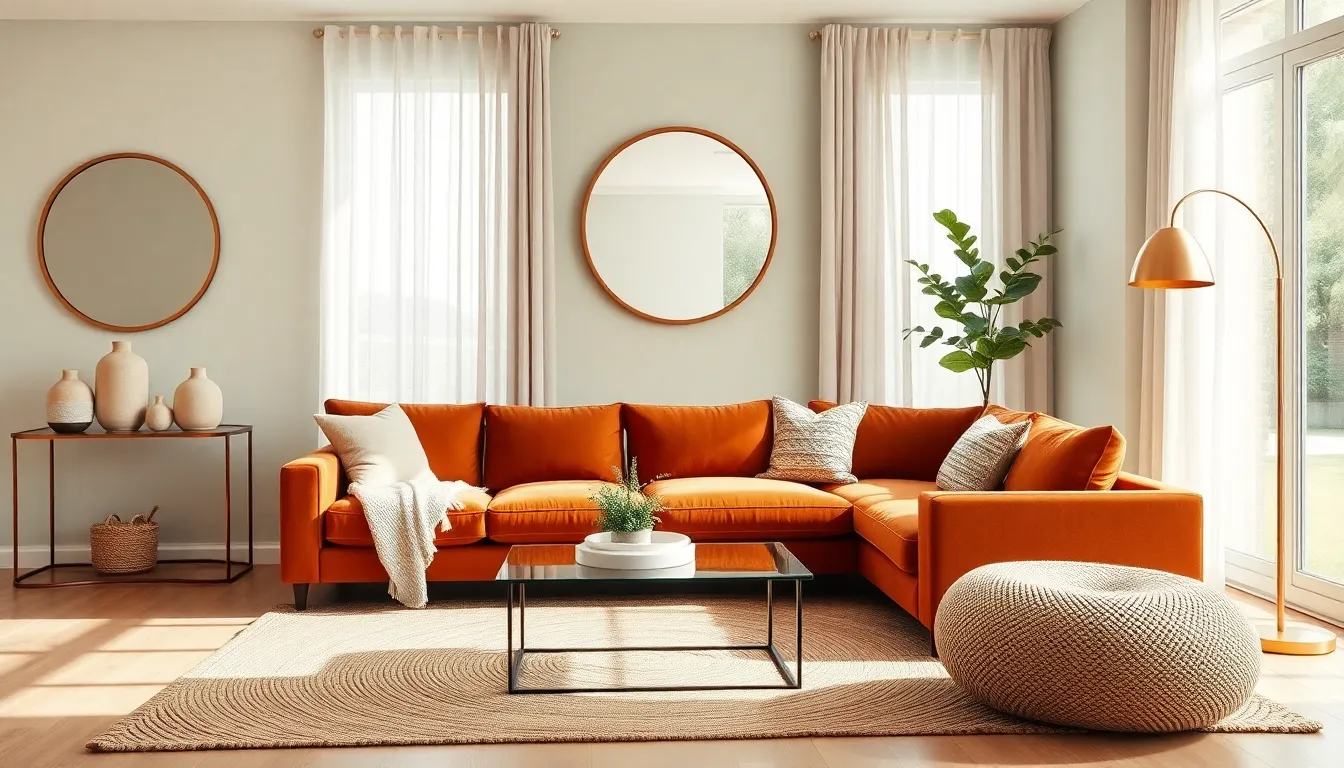
Color sets the tone for every room. Warm shades like terracotta, mustard, and blush create cozy, inviting spaces. Cool tones, think sage green, navy, and soft gray, bring calm and sophistication. The best design & decor ideas start with a color palette that reflects the homeowner’s personality.
Texture adds depth that color alone can’t achieve. A velvet sofa paired with a jute rug creates visual interest without competing patterns. Linen curtains soften hard edges, while a chunky knit throw adds warmth to a leather chair. Mixing textures keeps rooms from feeling flat or one-dimensional.
Here’s a simple approach: pick three to five colors and stick to them throughout a space. Add at least three different textures, something smooth, something rough, and something soft. This formula works in bedrooms, living rooms, and even kitchens.
Accent walls remain popular for good reason. A deep emerald wall behind a bed or a warm clay tone in a dining room makes a statement without overwhelming the space. Paint is one of the most affordable design & decor ideas available, and it delivers big impact.
Don’t forget about texture on walls, either. Shiplap, board and batten, or textured wallpaper can transform a boring room into something special. These elements add character and give the eye something interesting to land on.
Furniture Arrangement and Layout Tips
Furniture arrangement affects how a room functions and feels. Many people push all their furniture against walls, but this often makes spaces feel disconnected. Pulling pieces away from walls, even just a few inches, creates better flow and more intimate conversation areas.
Every room needs a focal point. In living rooms, this might be a fireplace, large window, or entertainment center. Arrange seating to face this focal point, and the room will feel intentional rather than random.
Traffic flow matters more than most people realize. Leave at least 30 inches for walkways between furniture pieces. Nobody wants to squeeze past a coffee table every time they cross the room. Good design & decor ideas always consider how people actually move through a space.
Scale and proportion can make or break a room. A tiny sofa in a large living room looks lost. An oversized sectional in a small apartment overwhelms everything else. Measure twice, buy once. And don’t be afraid to use painter’s tape on the floor to visualize furniture dimensions before purchasing.
Floating furniture arrangements work especially well in open-concept homes. Use a sofa or console table to define separate zones for dining, lounging, and working. Area rugs help anchor each zone and create visual boundaries without walls.
Symmetry brings balance, but asymmetry adds energy. A perfectly matched pair of end tables feels classic. Mismatched pieces of similar scale feel collected and personal. Both approaches work, it depends on the vibe someone wants to create.
Incorporating Statement Pieces and Accessories
Statement pieces give rooms personality. These are the items guests notice first, an oversized mirror, a bold piece of art, or a unique vintage find. Every room benefits from at least one conversation starter.
Art doesn’t need to cost thousands. Large-scale prints, DIY canvas paintings, or even framed textiles create visual impact on a budget. The key is going big enough. A tiny frame on a large wall looks like an afterthought. One oversized piece or a well-planned gallery wall makes a proper statement.
Accessories tell stories. Travel souvenirs, family heirlooms, and collected objects make spaces feel lived-in and authentic. Group similar items in odd numbers, three vases, five books, seven small frames. Odd numbers create more pleasing arrangements to the eye.
Plants bring life to any room. They add color, texture, and actual living energy. For those without green thumbs, high-quality faux plants have come a long way. Pothos, snake plants, and fiddle leaf figs remain popular design & decor ideas for good reason.
Mirrors do double duty as both art and functional pieces. They bounce light around, make rooms feel larger, and serve as striking focal points. A large leaning mirror in a bedroom or an antique mirror above a fireplace adds instant sophistication.
Layered lighting counts as an accessory, too. Table lamps, floor lamps, and candles create warmth that overhead fixtures can’t match. Mixing different light sources at different heights makes spaces feel complete and inviting.
Maximizing Natural Light and Space
Natural light transforms rooms more than almost any other design element. Rooms with good light feel larger, cleaner, and more welcoming. Making the most of available light should be a priority in any design & decor project.
Window treatments matter enormously. Heavy drapes block light: sheer curtains diffuse it beautifully. Mounting curtain rods high and wide, several inches above the window frame and extending past the sides, makes windows appear larger and lets more light in when curtains are open.
Mirrors placed opposite windows reflect light deeper into rooms. This old designer trick works in dark hallways, small bathrooms, and any space that needs brightening. The larger the mirror, the more light it bounces.
Paint colors affect how bright a room feels. Light colors reflect more light than dark ones. White, cream, and pale gray maximize brightness. But that doesn’t mean dark rooms need to stay light, sometimes a dark, moody room is exactly the right choice. It’s about intention.
Clutter kills the feeling of spaciousness. Smart storage solutions, built-ins, baskets, closed cabinets, keep visual noise to a minimum. When surfaces stay clear, rooms breathe.
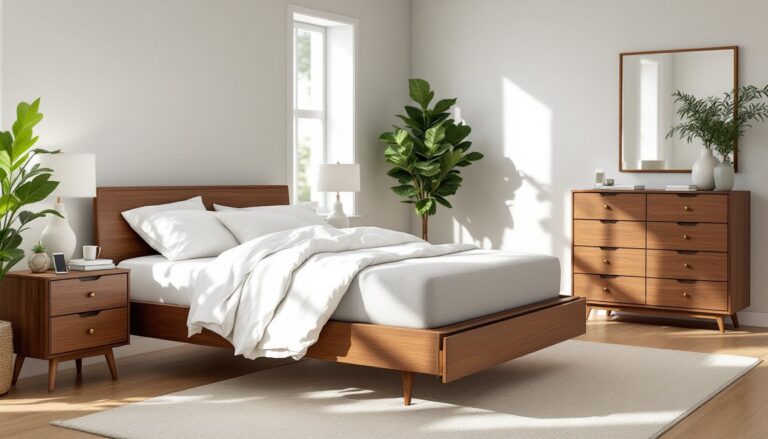
Furniture with legs creates airiness. A sofa or bed that sits flush with the floor feels heavier than one raised on legs. Seeing the floor beneath furniture tricks the eye into perceiving more space. Glass and acrylic furniture takes this even further, almost disappearing in a room.
Vertical elements draw the eye up and make ceilings feel higher. Tall bookshelves, floor-to-ceiling curtains, and vertical art all accomplish this. Low, horizontal arrangements make rooms feel shorter and more cramped.