

Table of Contents
ToggleFurniture for beginners doesn’t have to feel overwhelming. Moving into a first apartment or home brings excitement, and a lot of decisions. What couch should they buy? Does the bedroom need a dresser or just a closet? How much should anyone actually spend on a coffee table?
These questions hit everyone who starts from scratch. The good news: furnishing a space gets easier with a clear plan. This guide breaks down the essentials, budget strategies, and smart shopping tips that help beginners create a comfortable home without draining their bank account.
Key Takeaways
- Furniture for beginners starts with prioritizing essentials like a quality mattress, sofa, and multipurpose dining table before adding extras.
- Set a realistic budget—financial experts suggest spending no more than one month’s rent on initial furniture purchases.
- Check quality signals like solid wood frames, dovetail joints, and high-density foam cushions to get lasting value at any price point.
- Explore secondhand options on Facebook Marketplace, Craigslist, and thrift stores to save 50-80% on durable pieces.
- Always measure your space and doorways before purchasing to avoid costly returns and frustrating fit issues.
- Spread purchases over three to six months to ease financial pressure and find better deals during major sales events.
Essential Furniture Pieces Every Beginner Needs
Starting with furniture for beginners means identifying what’s truly necessary versus what’s nice to have. Prioritizing the essentials prevents overspending and ensures the most-used items get the attention they deserve.
The Bedroom Basics
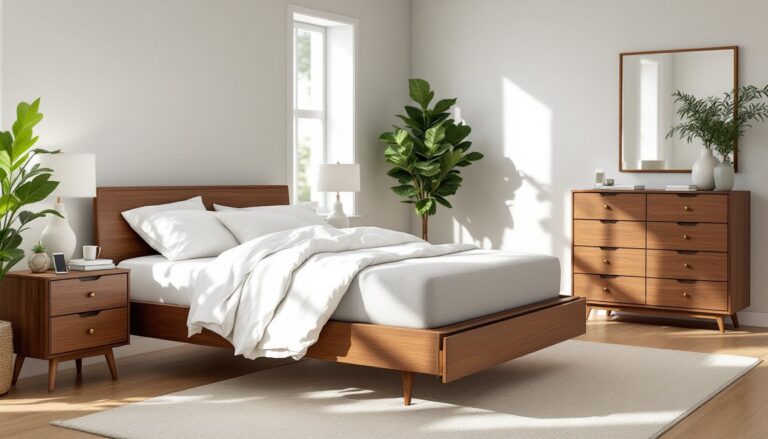
A bed frame and mattress top the list. Sleep quality affects everything, energy, mood, productivity. Beginners should invest more here than almost anywhere else. A quality mattress lasts 7-10 years, making the cost-per-use surprisingly reasonable.
A nightstand provides a landing spot for phones, books, and that morning glass of water. One is enough to start. Storage comes next: either a dresser or a closet organizer system works, depending on the space available.
Living Room Foundations
The sofa anchors most living rooms. Beginners should measure their space before shopping, a common mistake is buying a couch that overwhelms a small room or looks lost in a large one. A coffee table or ottoman adds function and gives the room a finished look.
Seating matters, but beginners don’t need a full set immediately. One comfortable sofa works fine. Extra chairs can come later as the budget allows.
Dining and Work Areas
A table serves multiple purposes for beginners. It’s where they eat, work from home, and spread out projects. A small dining table with two to four chairs covers most needs. Those working remotely should add a proper desk and ergonomic chair to the priority list, back pain from a bad chair adds up fast.
Storage Solutions
Bookcases, shelving units, and storage bins help control clutter. Beginners often underestimate how much storage they need. Starting with one versatile bookshelf gives flexibility: it holds books, displays plants, and organizes everyday items.
How to Set a Realistic Furniture Budget
Furniture for beginners requires honest budgeting. The temptation to furnish everything at once leads many first-timers into debt or regret.
Calculate What’s Available
Beginners should look at their total available funds and decide what percentage goes toward furniture. Financial experts often suggest spending no more than one month’s rent or mortgage on initial furnishing. Someone paying $1,500 monthly might budget $1,500-$2,000 for furniture basics.
Prioritize by Importance
Not every room needs furniture immediately. A bedroom and living room take priority. The guest room can wait. Beginners should rank each piece by how often they’ll use it and allocate money accordingly.
Here’s a sample budget breakdown for someone with $2,000:
- Mattress and bed frame: $600-$800
- Sofa: $400-$600
- Dining table and chairs: $200-$300
- Desk and chair: $150-$250
- Nightstand and small storage: $100-$150
This leaves a buffer for unexpected finds or delivery fees.
Plan for Phased Purchases
Furniture for beginners doesn’t require buying everything in week one. Spreading purchases over three to six months eases financial pressure and allows time to find better deals. Starting with sleep and seating, then adding pieces monthly, keeps spending manageable.
Tips for Choosing Quality Furniture on a Budget
Smart shopping helps beginners get more value from every dollar. Quality furniture exists at every price point, finding it just takes strategy.
Know What Signals Quality
Wood furniture outlasts particle board. Beginners should check drawer construction: dovetail joints indicate better craftsmanship than stapled corners. For sofas, a solid wood frame beats a metal one. Cushions with high-density foam hold their shape longer than cheap alternatives.
Weight often reveals quality. Heavier pieces typically use better materials. Wobbly legs or uneven surfaces signal poor construction.
Explore Secondhand Options
Used furniture offers serious savings for beginners. Facebook Marketplace, Craigslist, estate sales, and thrift stores carry quality pieces at 50-80% off retail prices. Solid wood furniture from decades past often surpasses today’s budget options in durability.
Beginners should inspect secondhand items carefully. Check for structural damage, stains, odors, and pest signs. A slightly scratched dresser works fine: a sagging sofa frame doesn’t.
Time Purchases Strategically
Furniture sales follow predictable patterns. Presidents’ Day, Memorial Day, Labor Day, and Black Friday bring major discounts. January and July see clearance events as stores make room for new inventory. Beginners who can wait often save 20-40% on the same items.
Consider Flat-Pack and Direct-to-Consumer Brands
IKEA remains a go-to for furniture beginners on tight budgets. Assembly takes effort, but prices stay low. Newer direct-to-consumer brands like Article, Burrow, and Joybird cut retail markups and offer mid-range quality at reasonable prices.
Common Furniture Buying Mistakes to Avoid
Even with good intentions, beginners often stumble into preventable errors. Knowing these pitfalls ahead of time saves money and frustration.
Skipping Measurements
This mistake tops the list. Beginners fall in love with a piece online, order it, and discover it doesn’t fit through the doorway, or dwarfs the room. Measuring the space AND all doorways, hallways, and stairwells before purchasing prevents expensive return shipping or items stuck in the wrong room.
Buying Everything to Match
Matching furniture sets feel safe, but they often look generic and dated quickly. Beginners create more interesting spaces by mixing styles, eras, and finishes. A modern sofa pairs well with a vintage coffee table. Variety adds character.
Ignoring Lifestyle Needs
Someone with pets needs different upholstery than someone without. A white linen couch looks beautiful until a dog jumps on it with muddy paws. Beginners should consider their actual daily life, kids, pets, frequent guests, before choosing materials and colors.
Sacrificing Comfort for Style
That trendy chair might photograph well, but sitting in it for two hours reveals the truth. Furniture for beginners should prioritize comfort in high-use items. Always sit on sofas and chairs before buying. Lie on mattresses. Style matters, but daily comfort matters more.
Rushing the Process
Impatience leads to settling. Beginners sometimes buy the first acceptable option because they want the space finished now. Waiting for the right piece beats living with a poor choice for years. Empty corners cause less regret than furniture purchased in haste.