
Table of Contents
ToggleNautica patio furniture brings the clean lines and relaxed aesthetic of coastal design straight to your deck, porch, or patio. Known for maritime-inspired styling that balances function with understated elegance, Nautica’s outdoor collections appeal to homeowners looking for durability without sacrificing visual appeal. Whether you’re furnishing a small balcony or a sprawling backyard, understanding what sets these pieces apart, and how to care for them, makes all the difference in creating an outdoor space that lasts season after season.
Key Takeaways
- Nautica patio furniture combines coastal design principles with weather-resistant materials like aluminum frames, synthetic wicker, and Sunbrella fabrics, making it ideal for homeowners seeking durability without high maintenance.
- Understanding material specifications—such as aluminum wall thickness, foam density, and fabric weight—ensures your Nautica pieces remain functional and visually appealing for multiple seasons.
- Proper care routine including monthly cleaning, immediate cushion spot-cleaning, and twice-yearly frame inspections significantly extends the lifespan of Nautica patio furniture and preserves its appearance.
- Strategic design layering with outdoor rugs, throw pillows, and shade solutions maximizes the aesthetic impact and functionality of your Nautica furniture without overwhelming the space.
- Shop during spring, early summer, or late-season clearance sales (August–October) when selection and discounts on Nautica patio furniture collections are at their peak, with savings reaching 30–50 percent off.
What Makes Nautica Patio Furniture Stand Out?
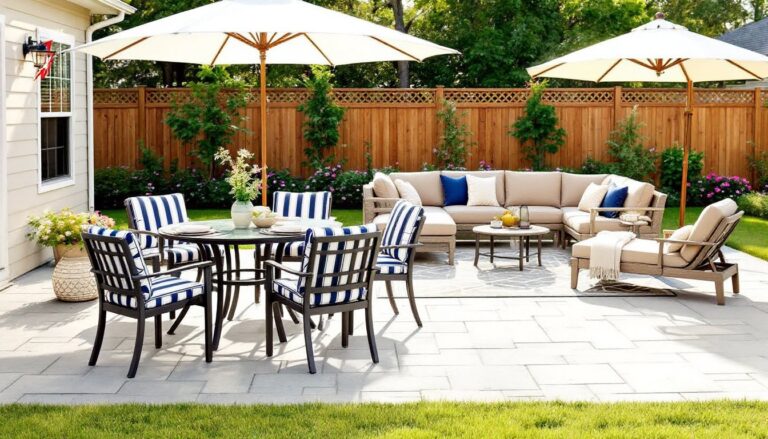
Nautica’s approach to outdoor furniture centers on coastal design principles: neutral color palettes, weather-resistant materials, and silhouettes inspired by sailboats, docks, and beach houses. The brand translates its apparel heritage, crisp whites, navy blues, and nautical stripes, into furniture that feels at home in both suburban backyards and waterfront properties.
Unlike ultra-modern or ornate styles, Nautica pieces lean transitional. They pair well with existing outdoor elements, from wood decking to concrete patios, without demanding a complete design overhaul. This versatility makes them a practical choice for homeowners who want a cohesive look without locking into a single aesthetic.
Most Nautica collections prioritize low-maintenance construction. Aluminum frames resist rust better than steel, synthetic wicker weathers UV exposure without cracking, and Sunbrella-grade fabrics shed water and resist fading. For DIYers who’d rather spend weekends using their patio than refinishing it, that’s a significant selling point.
Popular Nautica Patio Furniture Collections and Styles
Nautica’s outdoor lineup includes conversation sets, dining groups, chaise lounges, and accent pieces. Collections rotate seasonally, but recurring themes include woven elements, slatted designs, and cushioned seating with marine-grade upholstery.
Swing chairs and hanging seats appear frequently in Nautica’s catalog. The Nautica Swing Chair features a rattan-style weave suspended from polyester rope on an aluminum base, ideal for covered porches where weight and weather resistance matter. Installation requires overhead support rated for at least 250 pounds dynamic load: if you’re mounting to joists, use lag bolts into solid wood, not drywall anchors.
Sectional sofas typically come in modular configurations: corner units, armless chairs, and ottomans that rearrange based on space. Frames use powder-coated aluminum tubing (usually 1.2 mm wall thickness), which strikes a balance between portability and stability. Cushions run 4 to 5 inches thick with high-density polyurethane foam cores and solution-dyed acrylic covers.
Dining sets range from bistro-sized (36-inch round tops) to full six- or eight-seaters. Tabletops often incorporate tempered glass, faux wood composite, or slatted aluminum. Glass requires caution in high-wind areas, consider swapping for composite if your site sees frequent gusts above 25 mph.
Accent tables and storage benches round out collections. Look for pieces with integrated shelving or lift-top compartments if you need space for outdoor cushions, grilling tools, or pool supplies.
Materials and Durability: What to Expect
Understanding what your furniture is made from determines how long it lasts and how much upkeep it demands.
Aluminum framing dominates Nautica’s structural components. Unlike wrought iron, aluminum won’t rust when powder coating chips. Expect frames to handle 300 to 400 pounds per seat depending on design. Check welded joints annually for cracks, especially if furniture sees heavy use or temperature swings.
Synthetic wicker (usually resin-coated polyethylene) wraps many seating pieces. Quality wicker resists UV degradation and can handle rain without swelling. Cheaper versions turn brittle after two to three seasons of sun exposure. Run your hand along the weave, if it feels chalky or shows surface cracks, UV damage has started.
Fabric and cushions vary widely. Sunbrella and similar solution-dyed acrylics resist fading and mildew far better than standard polyester. Check fabric weight: 9 ounces per square yard or heavier holds up to regular use. Foam cores should be quick-dry polyurethane, not standard upholstery foam, which absorbs water and grows mold.
Tabletops come in three main materials. Tempered glass (usually 5 mm thick) looks sleek but scratches easily and can shatter on impact. Composite wood (HDPE or polywood) mimics lumber without the splinters, rot, or annual sealing. Slatted aluminum drains water naturally and weighs less, making tables easier to move for cleaning or storage.
Most Nautica furniture carries a one- to two-year limited warranty covering manufacturing defects but not weather damage, fading, or normal wear. Read the fine print, some warranties void if furniture isn’t covered or stored during off-season.
Design Tips for Styling Your Outdoor Space with Nautica Furniture
Nautica furniture works best when treated as a foundation, not the entire design. Start with the core seating or dining arrangement, then layer in texture and function.
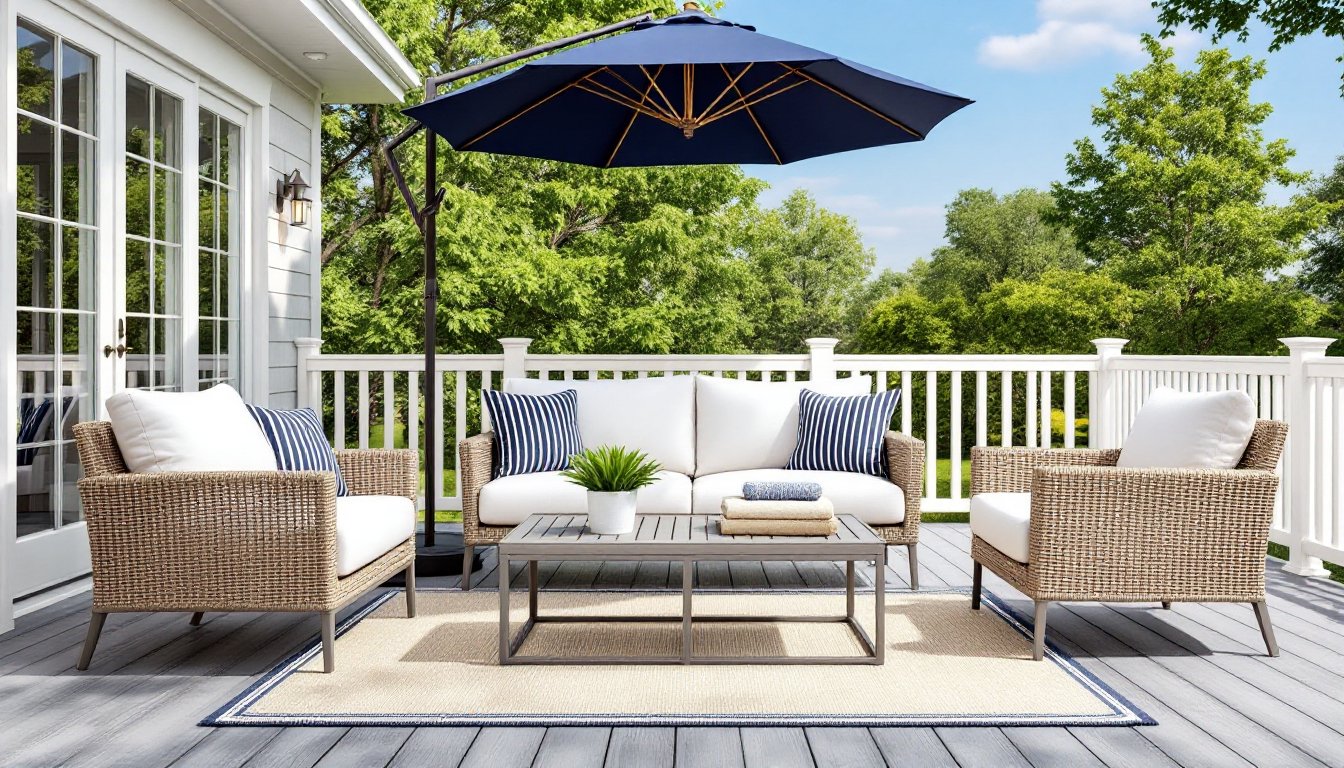
Color strategy: Stick to two or three tones. Navy, white, and weathered gray form the classic coastal triad. If your home’s exterior is brick or dark siding, lighter cushions prevent the space from feeling heavy. For neutral homes, deeper blues or even charcoal accents add contrast.
Zoning with rugs: Outdoor area rugs (polypropylene or recycled plastic weave) define conversation or dining zones on large patios. Rugs also protect furniture feet from concrete abrasion. Size the rug so all furniture legs sit on it, or all legs sit off, half-on looks unfinished. An 8×10 rug fits a typical six-seat dining set: 5×7 works under a four-piece conversation group.
Layering textiles: Nautica cushions handle the base comfort, but throw pillows in varied textures, canvas, outdoor velvet, or woven rope, add depth without clutter. Limit pillows to two per seat: more than that becomes fussy and blocks usable seating. Homeowners drawn to outdoor entertaining ideas often incorporate weather-resistant throws for cool evenings.
Lighting and accessories: String lights, lanterns, or solar path lights extend usability after dark. Mount string lights to fascia boards, pergola beams, or freestanding poles, not tree branches, which shift and strain wiring. Battery-powered LED candles in hurricane glass add ambiance without fire risk on windy nights.
Shade solutions: Nautica furniture fades slower under cover. If your patio lacks a roof, add a cantilever umbrella (9 to 11 feet) or a retractable awning. Umbrellas need bases weighing at least 50 pounds for 9-foot canopies, 75 pounds for 11-foot. In regions with strong wind, go heavier or use ground anchors.
Care and Maintenance: Keeping Your Nautica Furniture Looking New
Proper maintenance isn’t complicated, but skipping it costs you years of usable life.
Routine cleaning: Hose down frames and wicker monthly during active use. For stubborn grime, mix 1 tablespoon mild dish soap per gallon of water and scrub with a soft-bristle brush. Avoid pressure washers on wicker, high PSI can fray synthetic fibers. Rinse thoroughly: soap residue attracts dirt.
Cushion care: Spot-clean spills immediately with the same soap solution. For deeper cleaning, remove covers (if zipper-equipped) and machine wash on gentle cycle in cold water. Air-dry only, heat shrinks fabric and degrades elastic. Store cushions indoors or in a ventilated deck box during rainy stretches to prevent mildew. Even quick-dry foam benefits from airflow.
Frame inspection: Check aluminum joints and welds twice a year. Tighten any loose screws (most Nautica furniture uses M6 or M8 bolts: keep a small metric socket set handy). Touch up powder coating chips with automotive touch-up paint matched to the frame color, bare aluminum oxidizes to a dull gray.
Off-season storage: If winters in your area drop below 20°F regularly or bring heavy snow, store furniture indoors or cover it with breathable, UV-resistant tarps. Plastic tarps trap condensation and cause rust or mold. Elevate stored pieces on pallets or blocks to keep them off damp concrete.
Mold and mildew removal: If white or green spots appear on cushions, mix 1 cup white vinegar with 1 gallon water and spray affected areas. Let sit 15 minutes, scrub, then rinse. For severe cases, use a solution of 1 cup bleach per gallon of water, but test on an inconspicuous spot first, bleach can lighten some dyes. Wear gloves and safety glasses when handling bleach solutions.
Homeowners in humid climates or near the coast might find tips on outdoor living maintenance helpful for managing mildew in high-moisture environments.
Where to Buy Nautica Patio Furniture and What to Look For
Nautica patio furniture appears at major home retailers, online marketplaces, and specialty outdoor stores. Availability fluctuates with seasonal inventory, so spring and early summer offer the widest selection.
Big-box home improvement stores (Lowe’s, Home Depot) stock Nautica collections seasonally. You can inspect pieces in person and sometimes find floor models discounted in late summer. Delivery and assembly services vary by location, ask upfront if you’re buying a large sectional.
Online retailers (Wayfair, Overstock, Amazon) provide broader selection but make returns trickier. Check shipping weight and packaging dimensions before ordering. A seven-piece sectional might arrive in four boxes totaling 300 pounds: you’ll need help unloading. Read return policies carefully, many charge restocking fees or require original packaging.
Specialty patio stores carry higher-end lines and offer design consultations. Prices run 10 to 20 percent higher than big-box, but staff can match pieces to your space and explain material differences. Some stores include delivery, assembly, and haul-away of old furniture.
What to inspect before buying: Sit in chairs and test cushion firmness. Wiggle frames to check for loose joints. Examine welds and joints for rough edges or gaps. Unzip a cushion cover to see foam quality, dense, uniform foam lasts: cheap foam feels spongy and uneven. If buying online, verify the seller’s return window (at least 30 days) and whether return shipping is free.
Pricing: Expect to pay $400 to $800 for a four-piece conversation set, $600 to $1,200 for a six-seat dining group, and $150 to $400 for individual lounge chairs. Prices shift based on materials, retailer, and time of year. Late-season clearance sales (August through October) offer the best discounts, sometimes 30 to 50 percent off, but selection narrows.
Assembly requirements: Most Nautica furniture arrives partially assembled. Budget 30 to 90 minutes per piece depending on complexity. You’ll need a Phillips screwdriver, adjustable wrench, and possibly an Allen key set. Instructions vary in clarity: keep your phone handy to look up video tutorials if diagrams are confusing.
Conclusion
Nautica patio furniture delivers coastal style and practical durability for homeowners ready to invest in outdoor living. By understanding materials, committing to basic maintenance, and styling thoughtfully, these pieces hold up season after season. Whether you’re outfitting a new deck or refreshing an existing patio, prioritize quality construction and proper care over trendy details that fade fast.