
Table of Contents
TogglePasadena homeowners have it good, mild winters, warm summers, and more than 280 days of sunshine annually. That kind of climate practically demands quality outdoor living space. But choosing patio furniture isn’t just about picking pieces that look nice in a showroom. The right set needs to handle UV exposure, rare but intense rain, and temperature swings without fading, warping, or requiring constant upkeep. Whether someone’s furnishing a bungalow courtyard in Bungalow Heaven or a mid-century modern deck in San Rafael, the goal is the same: outdoor furniture that lasts and earns its square footage.
Key Takeaways
- Pasadena’s Mediterranean climate with 280+ days of sunshine demands UV-resistant patio furniture, particularly materials like teak, powder-coated aluminum, and HDPE wicker that handle intense sun without fading.
- Teak is the gold standard for outdoor furniture in Pasadena, offering natural moisture and insect resistance with a lifespan of decades, though quality dining sets start at $800–$2,000+.
- Sunbrella fabric and quick-dry foam are essential for Pasadena patio furniture cushions, preventing sun bleaching and mildew during rare but heavy winter rains.
- Choose furniture styles that complement Pasadena’s architectural diversity—Mission-style for Craftsman bungalows, wrought iron for Spanish Colonial homes, and clean-lined pieces for mid-century modern properties.
- Regular maintenance twice yearly—washing with mild soap, tightening hardware, and storing cushions during wet months—keeps patio furniture in Pasadena looking showroom-ready for years.
- Budget-smart shoppers can invest in durable frames and replace cushions seasonally, or purchase used teak and wrought iron pieces from local estate sales and Craigslist that clean up well.
Why Pasadena’s Climate Is Perfect for Outdoor Furniture
Pasadena sits in a Mediterranean climate zone with dry summers and mild, wet winters. Average temperatures range from 50°F in January to 85°F in August, rarely dipping below freezing. That means outdoor furniture doesn’t face the freeze-thaw cycles that crack resin or split wood in colder regions.
The real challenge? UV exposure. Southern California sunshine is intense year-round, breaking down finishes, fading cushions, and drying out natural materials. Rain is infrequent, averaging just 20 inches annually, but when it does arrive (typically November through March), it can be heavy. Furniture left uncovered during a surprise storm can soak through if cushions aren’t quick-drying or frames aren’t properly sealed.
Because freezing isn’t a concern, Pasadena residents can leave most patio furniture outdoors year-round with minimal winterizing. That said, covers or storage during the wettest months extend lifespan significantly. The climate is forgiving, but neglect still shows up as sun-bleached fabric and weathered wood.
Top Patio Furniture Stores in Pasadena
Pasadena offers a solid mix of local showrooms and national retailers. Living Spaces on Rosemead Boulevard carries mid-range sectionals, dining sets, and fire pit tables with quick delivery. Their selection skews modern, and floor models are often heavily discounted.
Crate & Barrel at Paseo Colorado has curated outdoor collections that lean contemporary, teak dining tables, all-weather wicker, and modular seating. Prices are higher, but the quality matches. They also stock Sunbrella fabric cushions, which hold up well under Pasadena’s UV load.
For high-end options, RH Outdoor (formerly Restoration Hardware) in nearby Glendale showcases luxury collections, think oversized teak loungers and aluminum frames with marine-grade finishes. Expect to pay premium prices, but the craftsmanship is built for longevity.
Local favorite Summer Classics Pasadena on South Arroyo Parkway specializes in custom outdoor furniture. They’ll match frame finishes and fabric selections to specific design schemes, which is ideal for homeowners working with architects or designers.
Don’t overlook Home Depot and Lowe’s on Colorado Boulevard for budget-friendly basics, resin chairs, metal bistro sets, and umbrella stands. Quality varies, but it’s hard to beat the price for seasonal or secondary spaces.
Choosing the Right Materials for Pasadena Weather
Material selection determines how much maintenance someone’s signing up for. In Pasadena’s climate, certain materials thrive while others require constant attention.
Teak is the gold standard for outdoor furniture. It contains natural oils that resist moisture and insects, and it weathers to a silvery patina if left untreated. To maintain the original honey tone, apply teak oil annually. Expect to pay $800–$2,000+ for a quality teak dining set, but it can last decades.
Aluminum frames with powder-coated finishes won’t rust and handle UV exposure well. They’re lightweight, making furniture easy to rearrange, but cheaper models can feel flimsy. Look for welded joints rather than screwed connections for better durability.
All-weather wicker (synthetic resin woven over aluminum or steel frames) mimics natural rattan but won’t crack or fade as quickly. Quality matters here, cheap wicker unravels within a season. Brands using high-density polyethylene (HDPE) wicker hold up best.
Eucalyptus offers a more affordable alternative to teak, with similar hardness and natural resistance. It does require occasional sealing (every 12–18 months) to prevent graying, especially with outdoor furniture exposed to intense sunlight.
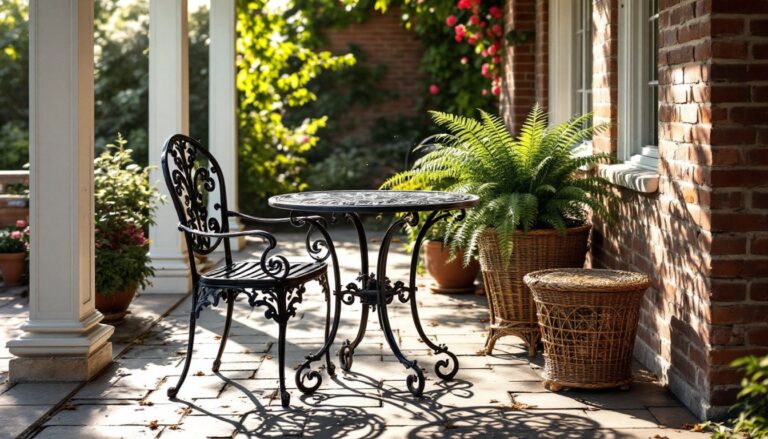
Steel and wrought iron are durable but heavy. Powder coating protects against rust, but any chips in the finish need immediate touch-up with rust-inhibiting primer. These materials are best for stationary pieces like dining tables.
Avoid untreated pine or cedar unless the homeowner is committed to annual staining and sealing. Pasadena’s dry air will cause untreated softwood to crack and splinter within two seasons.
Best Weather-Resistant Options
For Pasadena specifically, prioritize materials that handle prolonged UV exposure without constant maintenance.
Sunbrella fabric is the benchmark for outdoor cushions. It’s solution-dyed acrylic, meaning color goes all the way through the fiber, no surface coating to fade. It’s also mildew-resistant and cleanable with mild soap and water. Cheaper polyester cushions will bleach out in one summer.
Marine-grade stainless steel hardware prevents rust on hinges, screws, and brackets. Standard hardware will corrode quickly once moisture gets in.
Tempered glass tabletops resist thermal shock better than regular glass and won’t shatter into sharp shards if broken. Ensure the glass sits on rubber or felt pads to prevent scratching the frame.
Quick-dry foam inside cushions prevents mildew during wet months. Standard foam absorbs water and stays damp for days, leading to musty odors and staining.
Design Styles That Complement Pasadena Homes
Pasadena’s architectural diversity, Craftsman bungalows, Spanish Colonial Revivals, mid-century moderns, calls for thoughtful furniture choices that respect the home’s character.
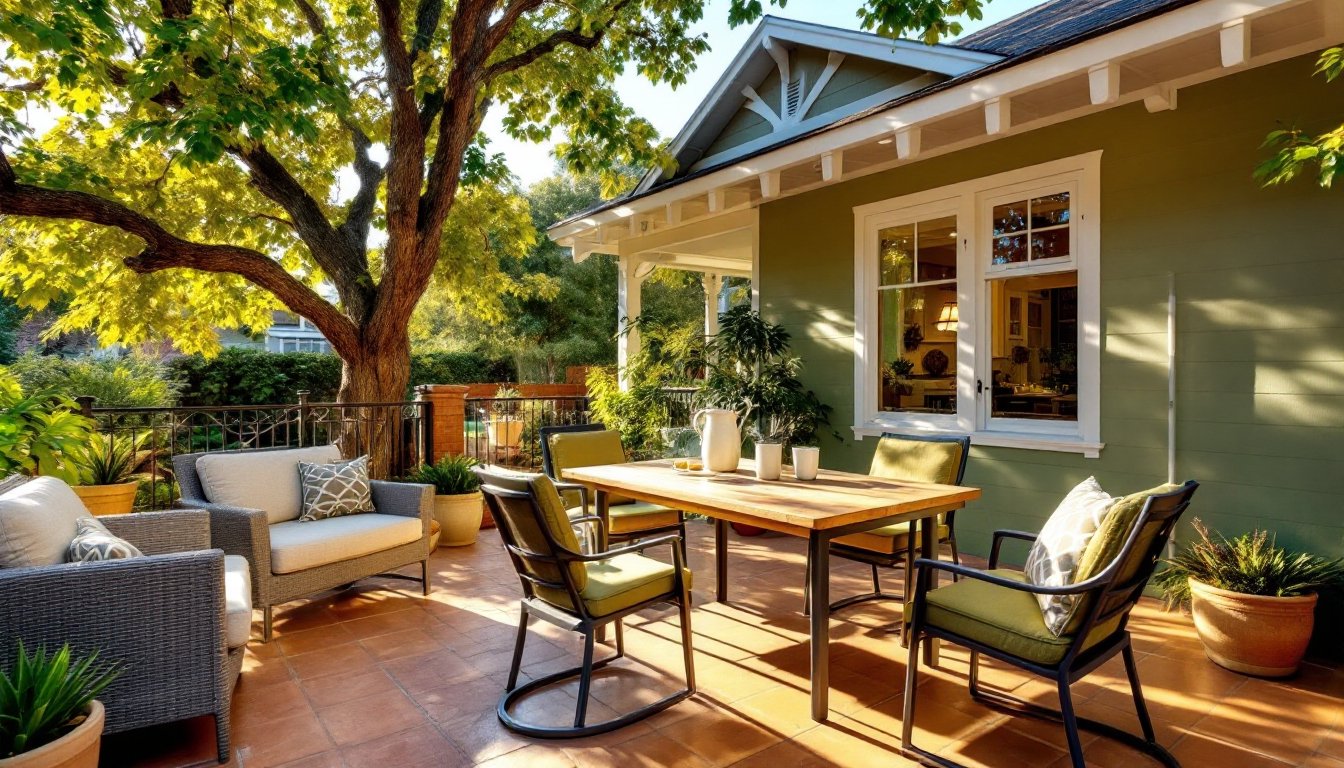
Craftsman and bungalow styles pair well with Mission-style furniture, straight lines, exposed joinery, and natural wood finishes. Teak or stained eucalyptus in darker tones echoes the Arts and Crafts aesthetic. Stick with earth tones for cushions: terracotta, olive, deep brown.
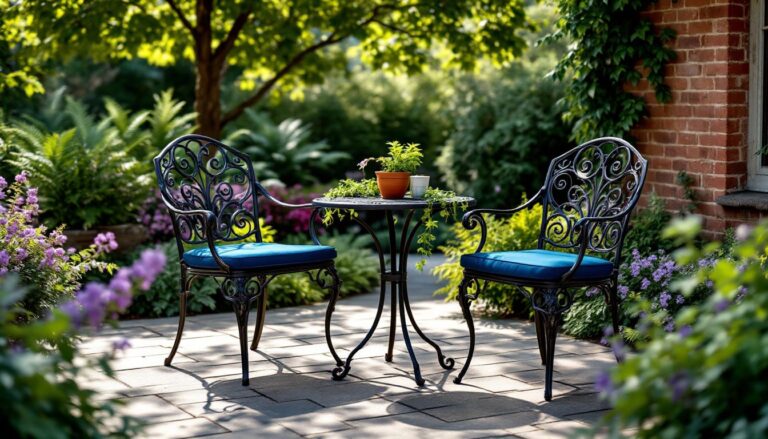
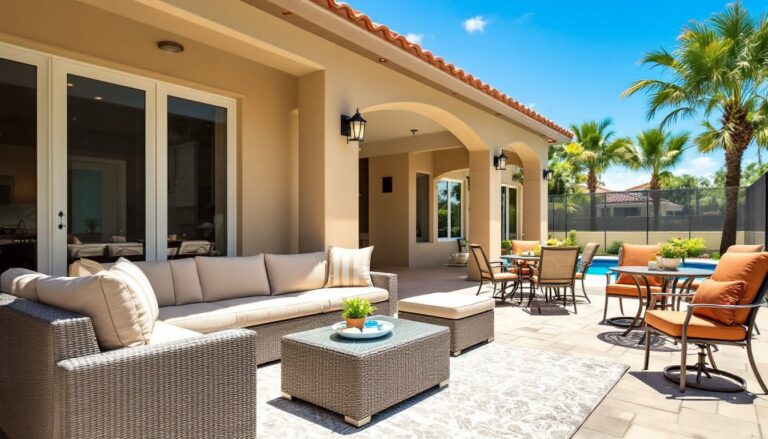
Spanish Colonial and Mediterranean homes benefit from wrought iron or cast aluminum furniture with scrollwork or curved lines. Opt for warm metallics (bronze, copper finishes) and pair with tile-topped tables. Cushion fabrics in burnt orange, cobalt, or patterned geometrics tie into traditional Talavera tile motifs found in many garden courtyards and outdoor entertaining areas.
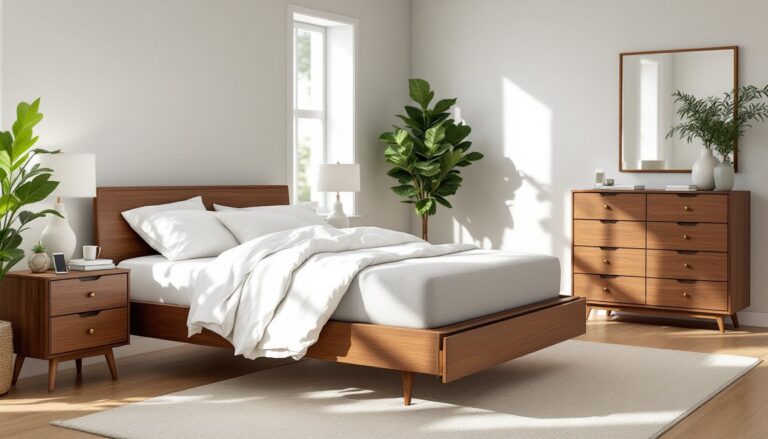
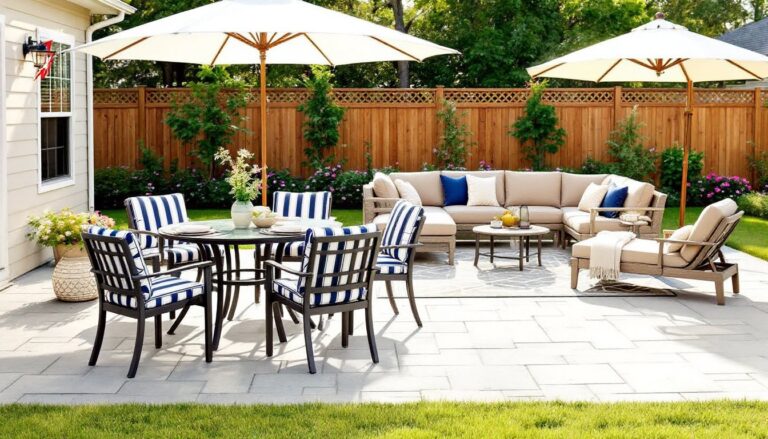
Mid-century modern homes call for clean-lined aluminum or steel frames with minimal ornamentation. Look for low-profile sectionals, slatted benches, and geometric side tables. Stick with neutral cushion palettes, white, gray, charcoal, or go bold with a single accent color like mustard or teal.
California ranch and contemporary styles are flexible. Modular seating, mix-and-match materials (wood with metal, wicker with teak), and layered textures work well. These homes can handle more experimental choices without clashing.
Regardless of style, scale matters. A tiny courtyard overwhelmed by oversized sectionals feels cramped, while undersized bistro sets get lost on expansive decks. Measure the space, then subtract 24–36 inches on all sides to maintain walkable clearance.
DIY Tips for Maintaining Your Patio Furniture
Even weather-resistant furniture needs regular care. A few hours twice a year keeps pieces looking showroom-ready and extends lifespan.
Cleaning wood furniture: Mix a solution of 1 cup mild dish soap to 1 gallon warm water. Scrub with a soft-bristle brush along the grain, then rinse thoroughly with a garden hose. Let dry completely (24 hours minimum) before applying teak oil or sealant. For teak, skip the sealant if a gray patina is acceptable, it’s purely cosmetic and doesn’t affect durability.
Powder-coated metal frames: Wash with the same soap solution, paying attention to joints and crevices where dirt accumulates. Inspect for chips in the coating. Touch up bare spots immediately with rust-inhibiting spray primer, then a topcoat that matches the original finish. Let each coat dry per manufacturer instructions (usually 2–4 hours).
Wicker furniture: Vacuum first to remove dust from weave gaps, then wipe down with a damp microfiber cloth. Avoid pressure washers, they can loosen wicker strands. Check for loose ends and trim with sharp scissors, then secure with a dab of clear outdoor adhesive.
Cushions and fabric: Remove cushion covers (if zippered) and machine wash on gentle cycle with mild detergent. Air dry only, high heat can shrink or warp fabric. For non-removable cushions, scrub with a soft brush using the soap-water solution, rinse with a hose, and prop vertically to drain and dry. Store cushions indoors or in a deck box during heavy rain to prevent prolonged moisture exposure.
Hardware check: Tighten loose screws and bolts annually. Apply a drop of thread-locking adhesive (like Loctite) to screws that repeatedly loosen. Replace any rusted hardware with stainless steel equivalents.
Winter prep: Even in Pasadena, covering furniture or moving it under an eave during December–February reduces UV and rain exposure. Use breathable covers (not vinyl tarps, which trap condensation). If storing cushions, ensure they’re completely dry first to prevent mildew.
Budget-Friendly Patio Furniture Shopping Strategies
Quality outdoor furniture is an investment, but there are ways to stretch a budget without sacrificing durability.
Shop end-of-season sales. July through September, retailers clear inventory to make room for holiday stock. Discounts of 30–50% are common, and floor models often go for even less. Inspect carefully for sun damage or loose joints before buying.
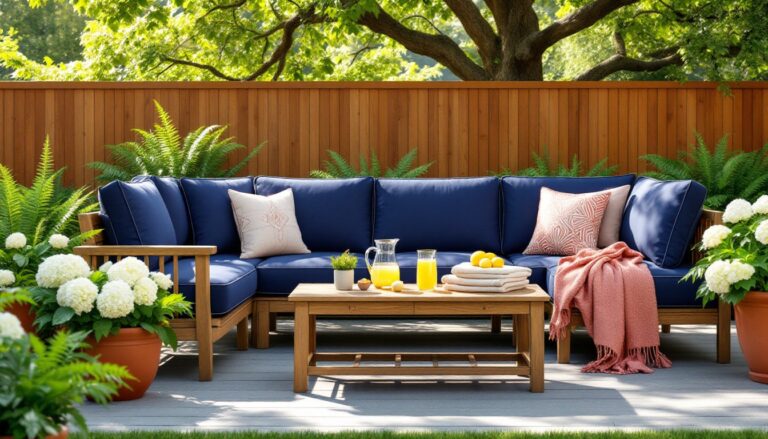
Mix high and low. Invest in a quality frame (teak or aluminum dining table, for example) and pair it with budget cushions or chairs. Replace the cheaper elements every few years while the frame lasts decades. This strategy works especially well for sectionals, buy a durable frame and swap cushions as they fade.
Buy used. Estate sales and Craigslist in Pasadena neighborhoods like Altadena, La Cañada Flintridge, and South Pasadena often feature high-end patio furniture at a fraction of retail. Teak and wrought iron in particular clean up well. Bring a tape measure and check for structural integrity, wobbly joints or cracked welds aren’t worth the savings.
DIY refurbishing. Sand and refinish weathered teak for under $30 in materials (sandpaper, teak oil, brush). Repaint powder-coated metal frames with Rust-Oleum’s outdoor spray paint ($8–$12 per can). Reupholster cushions using outdoor fabric remnants from local upholstery shops, Pasadena’s own home improvement and design enthusiasts often turn to regional resources for inspiration on breathing new life into vintage pieces.
Prioritize seating over accessories. A solid dining set or sectional delivers more value than fire pits, side tables, or decorative planters. Add accessories later as budget allows.
Consider modular sets. Buying a starter set (e.g., two chairs and a loveseat) and adding pieces over time spreads costs. Many brands design collections with this in mind, so colors and styles remain consistent across seasons.