
Table of Contents
ToggleWicker patio furniture looks great right off the showroom floor, but without cushions, it’s about as comfortable as sitting on a basket. The right cushions transform rigid rattan or resin into a space you’ll actually want to use. They also protect the furniture itself from sun damage and daily wear. But not all outdoor cushions are built the same, cheap options fade in a season, while quality ones can last five years or more with basic care. This guide walks through everything from fabric choices to measuring techniques, so you can pick cushions that hold up to weather, fit properly, and match your style without wasting money on throwaways.
Key Takeaways
- Quality wicker patio furniture cushions with solution-dyed acrylic fabric can last five to seven years, while cheap options fade within a season.
- Wicker patio furniture cushions transform uncomfortable bare seating into an inviting outdoor space while protecting the furniture from UV damage and moisture.
- High-density polyurethane foam filled cushions provide optimal comfort and durability, while quick-dry foam options eliminate the need for regular storage in rainy climates.
- Accurate measuring before purchasing ensures custom-fit cushions that avoid gaps or bulging, with seat cushions ideally measuring 3 to 5 inches thick.
- Dark and mid-tone colors with patterned designs hide stains better than pastels while maintaining style, and coordinating cushion colors with nearby plantings creates a cohesive outdoor space.
- Regular maintenance—weekly brushing, immediate spot-cleaning, and seasonal deep cleaning—preserves your wicker patio furniture cushions’ durability and appearance for years.
Why Wicker Furniture Needs the Right Cushions
Wicker, whether natural rattan, synthetic resin, or PE (polyethylene), is woven tight, which looks sharp but offers zero give. Sitting on bare wicker for more than fifteen minutes leaves grid marks on your legs and gets uncomfortable fast. Cushions fix that, adding support and making the furniture usable for extended periods.
Beyond comfort, cushions protect the wicker from UV degradation. Direct sunlight dries out natural rattan and can make it brittle, while even UV-resistant resin benefits from the shade cushions provide. They also guard against moisture damage if you’re dealing with natural materials, which can mildew or warp when exposed to rain without proper coverage.
Finally, cushions tie your outdoor space together visually. Wicker on its own reads neutral, good for flexibility, but bland without color or pattern. Cushions let you inject personality and coordinate with planters, rugs, or other patio decor without committing to a full furniture swap.
Choosing the Perfect Cushion Material for Outdoor Wicker
Weather-Resistant Fabrics That Last
Outdoor cushion fabric needs to handle sun, rain, mildew, and the occasional spilled drink. Solution-dyed acrylic (often sold under brand names like Sunbrella) is the gold standard. The dye goes all the way through the fiber, so fading is minimal even after years of sun exposure. It resists mildew, dries reasonably fast, and holds color better than printed or surface-dyed fabrics. Expect to pay more upfront, but these cushions typically last five to seven years with regular cleaning.
Olefin (polypropylene) is a budget-friendly alternative. It’s naturally stain-resistant and dries quickly, but UV resistance varies by manufacturer. Cheaper olefin can fade within two seasons if it’s not treated with UV inhibitors. Check the product specs, if it doesn’t mention UV protection, skip it.
Polyester blends with a water-repellent coating work for covered patios or mild climates, but they’re not ideal for full-sun exposure or areas with heavy rain. They’ll fade faster and may develop mildew if they stay damp. Save these for screened porches or three-season use.
Avoid untreated cotton or linen outdoors. They look nice initially but absorb water, fade quickly, and turn into mildew magnets within a season. Indoor-outdoor rugs and similar decorative textiles often follow the same outdoor living design principles used in Western patio layouts, where durability meets style.
Cushion Fill Options: Foam vs. Polyester vs. Quick-Dry
The fill matters as much as the fabric. High-density polyurethane foam (at least 1.8 lbs per cubic foot density) provides firm support and bounces back after use. Wrap it in a layer of Dacron (polyester batting) to smooth edges and prevent the foam from shifting inside the cover. Standard foam absorbs water, though, so you’ll need to stand cushions on edge after rain or store them when not in use.
Quick-dry foam (sometimes called open-cell or reticulated foam) has a grid structure that lets water drain through instead of soaking in. It dries in a few hours rather than days and resists mold better than standard foam. It’s worth the extra cost if your furniture lives in full weather or you don’t want to haul cushions inside every time it rains.
Polyester fiberfill is the lightest and cheapest option. It dries fast and won’t mold, but it compresses quickly and loses shape within a season or two. Fine for accent pillows, not ideal for seat cushions that take your full weight daily.
Some manufacturers now offer outdoor foam wrapped in a waterproof membrane, combining support with true weather resistance. These are pricier but eliminate the need for regular drying or storage. If you’re in a rainy climate or don’t have covered storage, it’s a solid investment.
For porches with a Southern covered patio aesthetic, where cushions stay mostly dry but need to handle humidity, standard high-density foam with solution-dyed acrylic covers strikes the right balance between comfort and durability.
How to Measure Your Wicker Furniture for Custom-Fit Cushions
Generic cushions rarely fit wicker furniture well, the proportions vary too much between manufacturers. Measuring takes ten minutes and saves you from sloppy overhangs or gaps.
For seat cushions, measure the width and depth of the seating surface. Use a flexible tape measure to follow curves if the seat isn’t perfectly flat. Measure at the widest and deepest points, then subtract 1 inch from each dimension to allow the cushion to sit inside any raised edges or arms without bunching. If the seat has a lip or ridge, measure inside that perimeter.
For back cushions, measure height and width. Most wicker chair backs slope slightly, so measure the widest part and note the angle if it’s pronounced. Back cushions typically attach with ties or Velcro, so check how thick the cushion can be before it tilts forward or won’t secure properly.
Thickness matters for comfort and proportion. Seat cushions should be 3 to 5 inches thick, thinner than that feels flimsy, thicker can look bulky on smaller furniture. Back cushions usually run 2 to 4 inches. Measure the depth of the seat frame (front to back edge) to ensure a 4-inch cushion won’t push you too far forward or crowd the armrests.
If you’re ordering custom cushions, take photos of the furniture from multiple angles and send them with your measurements. Custom shops can adjust for curves, rounded corners, or unusual shapes that standard sizes won’t cover.
For box-edge cushions (the kind with vertical sides and piping), add 1 inch to the thickness measurement to account for the boxing and seams. Knife-edge cushions (tapered sides, no boxing) compress more and feel softer but lose shape faster.
Style and Color Selection for Your Outdoor Space
Color and pattern set the mood, but outdoor spaces have different rules than interiors. Dark colors (navy, charcoal, forest green) hide stains and dirt better than pastels, but they absorb more heat in direct sun, sit on a black cushion in July and you’ll feel it. Mid-tones like slate blue, terra cotta, or sage strike a balance.
Patterns, stripes, florals, geometrics, camouflage wear and fading better than solids. Small-scale patterns work on compact furniture like bistro sets: larger prints suit deep seating or sectionals. Mixing patterns can work if you stick to a shared color palette, but keep one element neutral (solid seat cushions with patterned backs, or vice versa) to avoid visual chaos.
Consider your surroundings. If your patio backs onto a garden full of blooms, bold patterns compete for attention, neutrals or soft solids let the landscape shine. Urban balconies with minimal greenery benefit from color and pattern to add life.
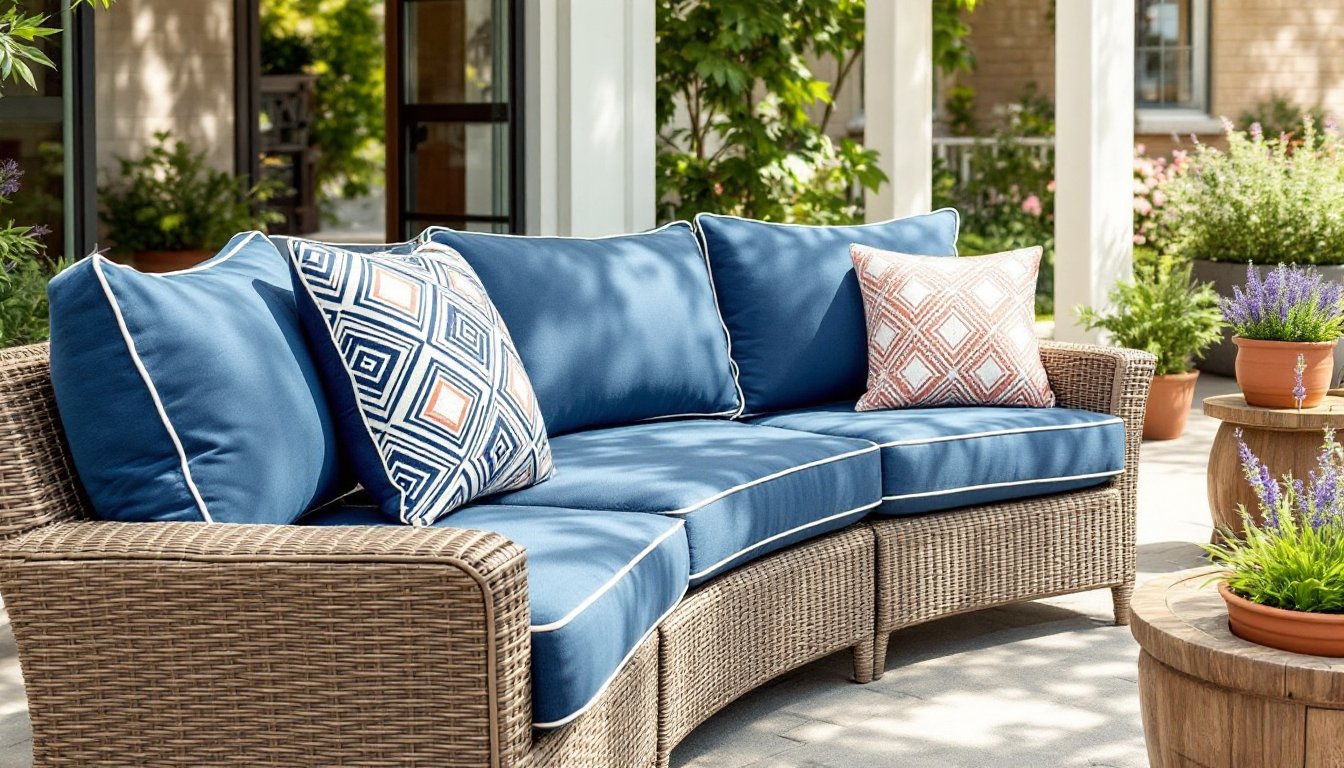
Trim and piping add a polished look. Contrasting piping (white piping on navy cushions, for example) defines edges and makes cushions pop, but it can fade unevenly over time. Matching piping is safer for longevity.
Many garden design guides recommend coordinating cushion colors with nearby plantings, gray-blue cushions with lavender, warm oranges with salvia, to create a cohesive outdoor room. It’s a designer trick that actually works without requiring a full redesign.
If you’re replacing cushions on a budget, swap covers instead of the entire cushion. Many outdoor cushion covers have zippers and are machine washable, so you can update color seasonally without buying new foam.
Caring for and Maintaining Your Wicker Patio Cushions
Even the best outdoor cushions need regular care to hit their lifespan potential. Brush off debris weekly, leaves, pollen, and dust act like sandpaper when you sit down, wearing fabric faster. Use a soft brush or vacuum with a brush attachment.
Spot-clean spills immediately. Blot (don’t rub) with a clean cloth and mild dish soap diluted in water. Most solution-dyed acrylics resist stains, but letting them set makes removal harder. For tougher stains (grease, sunscreen, red wine), use a cleaner formulated for outdoor fabrics, check the cushion tag for manufacturer recommendations.
Deep-clean once or twice a season. Remove covers if possible and machine wash on gentle cycle with mild detergent, no bleach, which breaks down UV inhibitors. Air dry only: high heat shrinks fabric and degrades elastic. If covers don’t come off, scrub with a soft brush, soapy water, and rinse with a hose. Let them dry completely standing on edge in full sun to prevent mildew.
Store cushions during winter if you’re in a freeze-thaw climate. Even weather-resistant cushions degrade faster when repeatedly soaked and frozen. Stack them flat in a dry garage, shed, or deck box. If you don’t have storage, at least flip them on edge during storms so water runs off instead of pooling.
Replace ties and fasteners as they wear. Most cushion ties are Velcro or fabric straps that fray or lose grip over time. You can hand-sew replacement ties using outdoor thread and scrap fabric, or order replacements from the cushion manufacturer.
Inspect foam annually. If it’s crumbling, has a musty smell, or won’t bounce back, replace it. Covers often outlast fill, so you can save money by keeping the shell and swapping the insert.