
Table of Contents
ToggleA well-furnished living room balances comfort, function, and flow. Too little seating leaves guests perched on armrests. Too many pieces block paths and make vacuuming a chore. The right mix of furniture turns a blank room into a space people actually use, for movie nights, assignments sprawls, or hosting game day.
Choosing living room furniture isn’t about filling space. It’s about understanding what each piece does, how it fits your floor plan, and which materials hold up to real life. This guide breaks down the core categories every living room needs, from seating that supports your back to storage that hides remotes and cables.
Key Takeaways
- Choose living room furniture based on solid construction—kiln-dried hardwood frames, high-resilience foam, and proper joinery—rather than appearance alone, ensuring pieces last decades instead of breaking down in five years.
- Balance seating with flow by pairing a high-quality sofa (84–90 inches for three adults) with accent chairs positioned 18 inches apart to create conversational layouts without blocking walkways.
- Types of living room furniture should include functional tables (coffee tables at 16–18 inches high, end tables at 24–26 inches, and console tables 30–36 inches tall) positioned within arm’s reach of seating to maximize usability.
- Invest in storage solutions like bookcases with ¾-inch shelves, storage ottomans with slow-close lids, and media consoles with proper ventilation and cable management to reduce clutter and protect electronics.
- Mount floating TV consoles and shelves directly into wall studs using rated brackets to prevent sagging, and measure doorways before ordering sectionals to avoid installation complications.
- Prioritize cable management, airflow, and weight capacity in entertainment furniture over aesthetics, as poor ventilation shortens the lifespan of AV receivers and game consoles.
Seating Furniture: The Foundation of Comfort
Seating dictates how many people a living room can hold and where conversation happens. Get it wrong, and you’ll rearrange furniture twice before you find a layout that works.
Sofas and Sectionals
A sofa is the anchor of most living rooms. Standard three-seaters measure 84 to 90 inches long and seat three adults comfortably. Two-seaters (loveseats) run 58 to 64 inches and work well in compact spaces or paired with a larger sofa.
Frame construction matters more than upholstery. Kiln-dried hardwood frames, oak, maple, or beech, resist warping and hold up to decades of use. Avoid softwood frames (pine or particleboard) unless it’s a guest room piece that sees light duty. Corner blocks and double-doweled joints add rigidity: frames without them sag within five years.
Foam density affects how the cushions feel and how long they keep their shape. High-resilience (HR) foam rated 2.5 to 3.0 lb/ft³ bounces back after sitting. Cheaper polyfoam flattens quickly. Down-wrapped foam blends support with softness but costs more and requires fluffing.
Sectionals break the sofa into modular pieces, left arm, right arm, armless center, corner, and chaise. A standard L-shaped sectional occupies 100 to 120 inches on each leg. Measure doorways and hallways before ordering: most sectionals ship in separate boxes, but oversized pieces won’t turn tight corners.
Sectionals anchor open-plan spaces and define zones without walls. They’re ideal for large families or frequent hosts. For smaller rooms under 200 square feet, a sectional eats too much floor space. Stick with a sofa and accent chairs instead.
Accent Chairs and Recliners
Accent chairs fill gaps, add visual interest, and provide flexible seating that’s easier to move than a sofa. Armchairs typically measure 30 to 36 inches wide. Wingbacks, club chairs, and slipper chairs each bring a different silhouette.
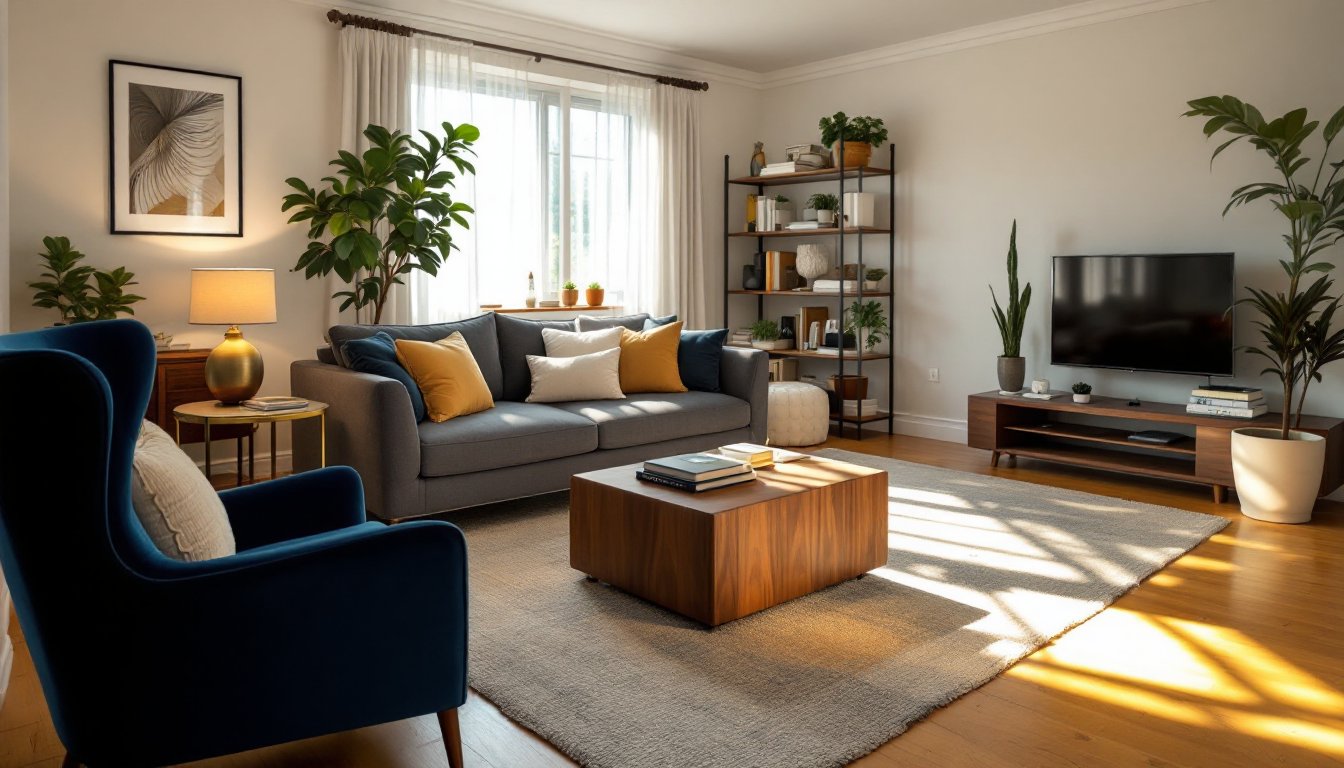
Many designers opt for furniture ideas that pair neutral sofas with bold accent chairs in contrasting fabrics or colors. This approach lets homeowners refresh the room’s look by swapping pillows or reupholstering one chair instead of replacing an entire sofa.
When placing accent chairs, leave at least 18 inches between seats for elbow room. Angle chairs slightly toward the sofa to create a conversational circle. Avoid lining chairs against walls, it kills the flow.
Recliners used to mean bulky La-Z-Boys. Modern versions blend into contemporary rooms with cleaner lines and slimmer profiles. Look for wall-hugger designs that recline fully while sitting just 4 to 6 inches from the wall, saving floor space.
Power recliners add USB ports and adjustable headrests but require an outlet within 6 feet. Manual recliners cost less and don’t fail when the motor burns out. Either way, check the mechanism’s weight rating, cheap recliners rated under 250 pounds break quickly with regular use.
Tables: Functional Centerpieces for Every Need
Tables in a living room do more than hold coffee mugs. They anchor seating groups, provide work surfaces, and hide clutter in drawers or lower shelves.
A coffee table sits in front of the sofa, typically 16 to 18 inches from the seat cushions, close enough to reach without leaning, far enough to avoid banged shins. Standard height runs 16 to 18 inches, roughly level with sofa seat height. Length should measure about two-thirds the sofa’s length for visual balance.
Materials range from solid wood to glass, metal, and engineered composites. Solid hardwood (oak, walnut, maple) handles spills and scratches better than veneered MDF, which swells and delaminates if moisture seeps through the edges. Glass tops show every fingerprint but make small rooms feel more open. Tempered glass resists shattering: standard annealed glass cracks under impact.
Lift-top coffee tables add a hidden work surface that rises to 22 to 24 inches, turning the table into a laptop desk or dining tray. The mechanism adds weight and cost, but it’s practical for compact spaces without a dedicated home office.
End tables (also called side tables) flank sofas or chairs. Standard height matches the sofa arm, usually 24 to 26 inches. Place one within arm’s reach of each seating spot for lamps, drinks, or remotes. Rooms with sectionals may need three or four end tables to serve all seats.
Console tables fill the space behind a sofa or along a wall, typically 30 to 36 inches tall and 10 to 15 inches deep. They’re narrow enough to avoid blocking walkways but wide enough to display decor, hold table lamps, or stash keys and mail. According to Homedit, console tables work especially well in open-plan layouts to visually separate the living room from the dining area.
Nesting tables stack when not in use and pull out for extra surface area during gatherings. They’re ideal for smaller living rooms where a traditional coffee table feels too permanent.
Storage Solutions That Keep Clutter at Bay
Living rooms accumulate remotes, chargers, magazines, board games, and blankets. Without dedicated storage, these items pile on tables and floors.
Bookcases and shelving units display books, photos, and decor while hiding storage boxes on lower shelves. Standard bookcases measure 30 to 36 inches wide, 12 inches deep, and 72 to 84 inches tall. Wider spans (over 36 inches) need thicker shelves, at least ¾ inch for solid wood or plywood, to prevent sagging under weight.
Adjustable shelves offer flexibility, but fixed shelves feel sturdier. Back-panel construction varies: ¼-inch plywood provides rigidity and a finished look, while thin hardboard backs (common in budget units) bow and pull away from the frame.
Wall-mounted shelves save floor space but require proper anchoring. Locate studs with a stud finder and use #10 wood screws at least 2.5 inches long driven into the stud center. Drywall anchors rated for shear loads work for lighter shelves, but toggle bolts or expanding anchors are safer for shelves holding more than 20 pounds.
Storage ottomans double as footrests, extra seating, and hidden storage. Lift the cushioned top to stash throws, pillows, or toys. Standard sizes range from 24 to 48 inches wide. Look for hinged lids with slow-close mechanisms to prevent pinched fingers, especially important in homes with kids.
Homeowners exploring furniture for beginners often overlook storage ottomans, but they’re one of the most versatile pieces in a starter living room. They cost less than dedicated storage cabinets and adapt to multiple uses.
Media consoles and credenzas serve dual purposes: supporting the TV and hiding components, cables, and gaming consoles. Standard TV stands run 48 to 72 inches wide, matching common TV sizes. The stand should extend at least 2 inches beyond each side of the TV for visual balance.
Ventilation matters. AV receivers and game consoles generate heat. Look for units with open backs or built-in ventilation slots. Solid-back cabinets trap heat and shorten electronics lifespan. Cable-management grommets keep wires tidy and prevent tangled messes.
Weight capacity is critical. A 65-inch TV weighs 50 to 70 pounds: cheaper particleboard stands sag or collapse. Check the manufacturer’s rating and confirm the unit can handle the combined weight of your TV and components.
Entertainment and Media Furniture
Entertainment furniture centers around the TV but extends to audio equipment, gaming setups, and display pieces that personalize the space.
TV stands come in three main styles: open-shelf units, enclosed cabinets, and wall-mounted floating consoles. Open shelves simplify cable access and airflow but expose clutter. Enclosed cabinets hide gear and cables but make adjustments harder, you’ll crouch and reach behind doors every time you swap an HDMI cable.
Floating consoles mount to the wall, leaving floor space open for robotic vacuums and creating a modern, minimalist look. Installation requires locating studs and using a mounting bracket rated for the console’s weight plus contents. Most floating units hold 75 to 150 pounds when properly anchored.
Brackets should span at least two studs (studs are typically 16 inches on center). Mark stud locations, level the bracket, and drive 3-inch lag screws into each stud. Skip this step, and the console pulls away from the wall within weeks.
Interior designers profiled on MyDomaine often recommend pairing floating media consoles with low-profile furniture to emphasize vertical space and make rooms feel taller. This approach works especially well in living rooms with low ceilings under 8 feet.
Étagères and display cabinets showcase collectibles, photos, and decor. Étagères feature open shelving in metal or wood frames, offering a lighter visual footprint than solid bookcases. Display cabinets with glass doors protect items from dust while keeping them visible.
When arranging display furniture, follow the rule of thirds: fill about two-thirds of each shelf, leaving breathing room. Overcrowded shelves look cluttered: sparse shelves feel unfinished.
Speaker stands and sound bars round out entertainment setups. Bookshelf speakers perform best at ear height when seated, typically 36 to 42 inches off the floor. Dedicated stands with sand or shot-fill cavities dampen vibration and improve sound quality. Sound bars mount below or above the TV: placement affects dialogue clarity, so test positioning before drilling mounting holes.
For living rooms doubling as home theaters, check out insights from Elle Decor, which highlights how designer-approved media furniture integrates AV gear without dominating the room’s aesthetic. Many high-end consoles include fabric-front doors that hide speakers while allowing sound to pass through.
When choosing the best furniture for an entertainment setup, prioritize cable management and airflow over looks. A beautiful cabinet that fries your receiver isn’t a good investment.
Conclusion
Furnishing a living room comes down to balancing seating, surfaces, storage, and entertainment pieces that fit the space and support how the room gets used. Measure carefully, invest in solid construction for high-use pieces, and don’t skip the unsexy details, frame joinery, foam density, and weight ratings, that determine whether furniture lasts five years or twenty.